

What Is Internal SEO? Crawlability Guide for Beginners
To improve website search rankings, not only high-quality content creation (content SEO) but also correctly communicating site structure to search engines"Internal SEO (Technical SEO)"is essential. Especially for large-scale EC sites and media operations, crawler-efficient design is the foundation of indexing speed and evaluation. This article covers internal SEO basics and crawlability improvement principles for beginner web managers.

Table of Contents (Click to expand/collapse)
1. Definition of Internal SEO and the Importance of "Crawlability"
Internal SEO refers to optimizing the internal structure of a site so that search engine crawlers (crawling programs) can smoothly navigate within the site and accurately understand and evaluate page content. No matter how excellent the articles you write, if crawlers cannot properly discover those pages, they will not be reflected in search results.
In particular, "crawlability" (ease of crawling) is the foundation of SEO. Google's crawlers traverse enormous numbers of pages worldwide, but the resources allocated to each site (Crawl Budget) are limited. Therefore, ensuring important pages are discovered with certainty requires structural optimization.
2. Three Specific Measures to Maximize Crawlability
To guide crawlers efficiently without confusion, the following technical measures are required.

3. Sitemap Management for Promoting Indexation
When publishing new pages, rather than passively waiting, it is important to proactively notify search engines using "XML sitemaps." An XML sitemap is a system-specific file that communicates a list of all URLs within a site to search engines.
By submitting sitemaps through Google Search Console, crawlers can quickly catch site update information and accelerate indexing (registration into the search database).
4. MECE Design Approach for Internal Link Structure
When designing site structure, incorporate the concept of MECE (Mutually Exclusive, Collectively Exhaustive). If categories overlap or there are "orphan pages" that are not linked from anywhere, crawler traversal efficiency drops significantly.
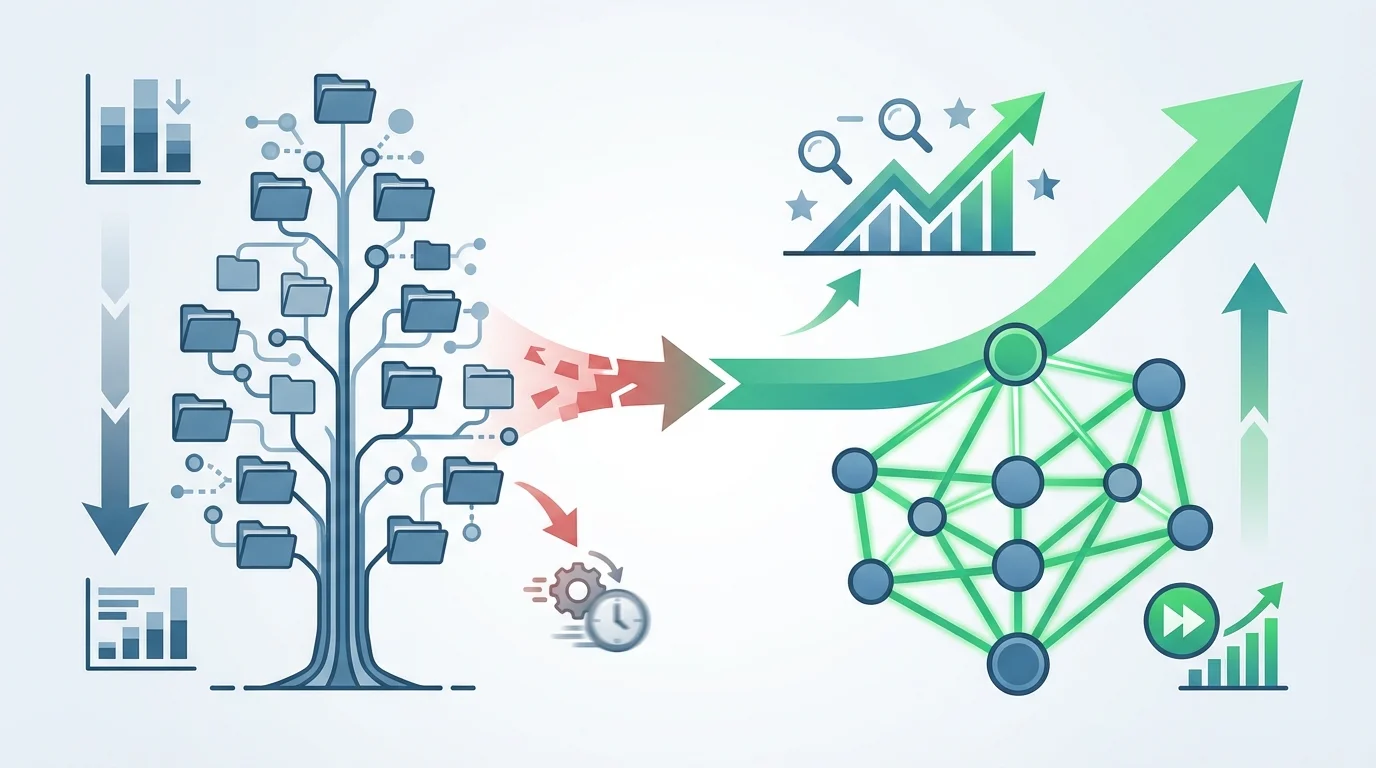
By building a logical directory structure and appropriately linking highly related pages together, the expertise and authority of the entire site becomes easier for search engines to understand, leading to improved evaluation of the overall domain.
Frequently Asked Questions
- Q. What is the difference between internal SEO and external SEO?
- A. Internal SEO is optimizing structure and tags within your site; external SEO refers to acquiring backlinks from other sites. The basic strategy is to solidify internal SEO that you can 100% control.
- Q. For large-scale sites with many pages, where should I start?
- A. Start with "breadcrumb navigation on all pages" and "automatic XML sitemap generation/submission." This alone dramatically improves crawler reach to key pages.
Take Your Web Business to the Next Stage
From technical SEO optimization to sales maximization, our SEO experts provide partnership-based support.
Consult on SEO Strategy for FreeSummary
Internal SEO is the translation and organization work of correctly conveying site value to search engines as "readers." Hierarchy structure with crawlability awareness and XML sitemap utilization are infrastructure investments that dramatically change site growth speed. Start with faithful structural design to solidify search engine evaluation foundations.
Published: 2026/2/25

Read Also



References
- [1] Google Search Central: Search Engine Optimization (SEO) Starter Guide
- [2] Google Search Central: Managing your crawl budget