

Must-Read for New EC Managers: What is SEO? Search Engine Mechanics and Basic Knowledge to Maximize Sales
Crawl: Search engine robots (crawlers) follow hyperlinks across the web, collecting content information including HTML and images.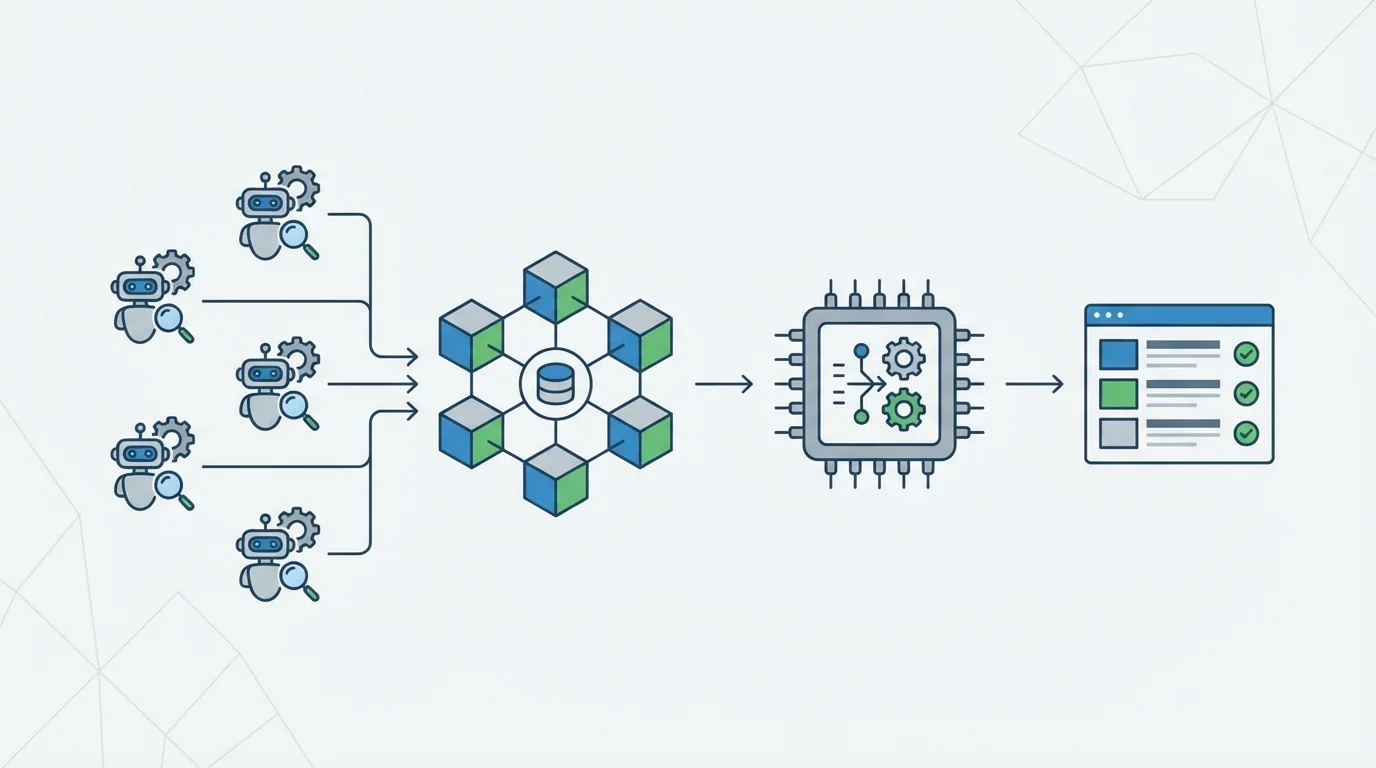
3. Understanding Search Intent and Keyword Selection
Understanding the 'search intent' behind user queries is the core of SEO strategy. For EC sites, organizing by these four classifications improves keyword selection precision:
- Informational Query: 'What is XX?' seeking knowledge. Effective for reaching potential customers.
- Navigational Query: Specific EC site names. Brand/direct searches.
- Commercial Query: 'XX how to choose' seeking to take specific action. Comparison/consideration phase.
- Transactional Query: 'XX free shipping' 'XX in stock' with purchase intent. Active buyer intent.
While Transactional queries are most directly tied to sales, they're highly competitive. A 'Content SEO' approach of attracting through Informational and Commercial queries, building trust through valuable content, is also extremely effective.
Crawlability and internal SEO fundamentals include: proper URL structure, XML sitemap submission, internal linking optimization, page speed improvement, and mobile-responsive design. These technical foundations ensure search engines can effectively discover and index your content.
4. Crawlability and Internal SEO Basics
No matter how excellent your product lineup is, it won't be evaluated if search engine crawlers can't properly navigate it. This is called 'crawlcrawlability optimization」. Specifically, XMLsitemap submission、structured data markup、logical internal link structure、そしてmobile-friendly (responsive design)becomes an essential requirement。
また、現代のSEOでは「E-E-A-T (Experience, Expertise, Authoritativeness, and Reliability)」is given the highest priority。ECon sites,、accurate product descriptions、transparency of operator information、and reviews from actual users (UGC). The accumulation of quality content directly contributes to domain power improvement and search ranking stability.

FAQ
- Q. How long does it take for SEO to produce results?
- A. Generally, 3-6 months for initial results. SEO is a medium-to-long-term strategy, and the accumulation of quality content directly contributes to domain authority improvement and search ranking stability.
- Q. Should a new EC manager start with SEO or advertising?
- A. Start with both in parallel. Use advertising for immediate traffic while building SEO foundations. Over time, as organic traffic grows, you can reduce advertising dependency and lower overall CAC.
Take Your EC Business to the Next Stage
'I don't know where to start'をnot sure how to build'I want a technical audit of my owned site'—を
SEO specialists who、optimal growth tailored to your products and market environmentstrategies.
Summary
SEO for EC managers starts with understanding the three-step process: Crawl, Index, Rank. By mapping keywords to search intent categories and ensuring technical crawlability, you create the foundation for sustainable organic growth. The key insight is that SEO is a 'stock-type asset'—every optimization effort compounds over time, reducing CAC and building a durable competitive advantage.
Published: February 17, 2026

Related Articles



References
- [1] Google Google Search Central: : Detailed Documentation on Search Engine Mechanics
- [2] Search Engine Journal: SEO for E-commerce Beginners Guide