

Omnichannel Guide for Local Retailers: Maximizing the Synergy Between Physical Stores and EC
Omnichannel strategy creates seamless customer experiences across physical stores and EC. For local retailers, this means leveraging the trust of local presence while expanding reach through digital channels.
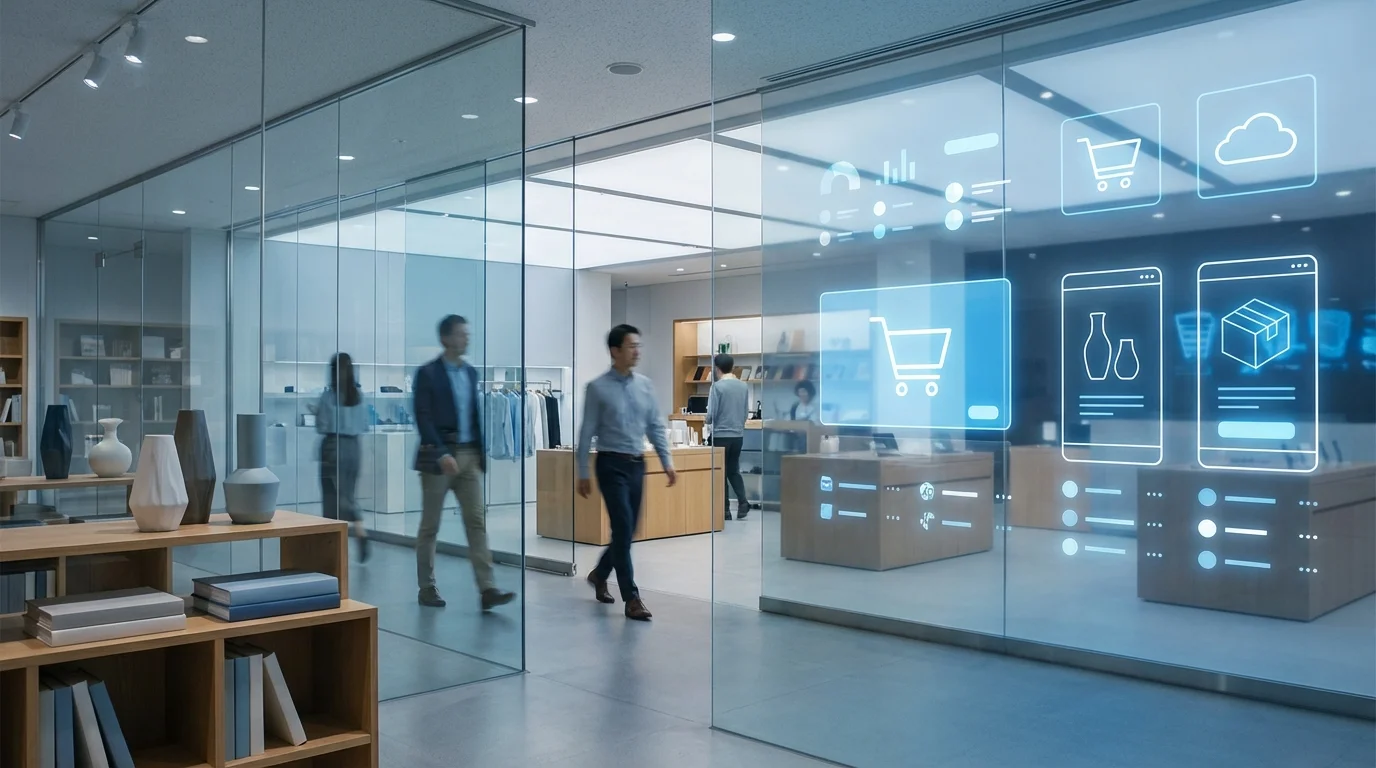
Table of Contents (Click to Expand)
1. What Is Omnichannel? Why Local Retailers Should Act Now
Omnichannel unifies all touchpoints: in-store, online, mobile, and social. Local retailers uniquely benefit because they already have customer relationships and physical infrastructure.
For local retailers to survive in the post-COVID era, it's essential to move beyond simple "having an EC site" to building a seamless customer experience where physical stores and online work together synergistically. Omnichannel isn't just a buzzword—it's a concrete growth strategy backed by data.

2. Success Stories: Inventory Unification and CX Improvement
Case studies show: unified inventory enables BOPIS and ship-from-store, customer satisfaction scores increase 20-30%, and total sales typically grow 15-25% post-integration.
Furthermore, introducing a "customer ID integration system" enables cross-channel tracking of individual customer behavior. For example, by linking in-store POS data with EC purchase history, you can identify that "Customer A browses online on weekdays and purchases in-store on weekends," allowing personalized approach optimization.
3. The First Step: ID Integration and Data Utilization
Start by unifying customer IDs across POS and EC. Linked data enables: purchase history visibility, personalized recommendations, and targeted marketing across channels.
Real-time inventory visibility is crucial: when an item is out of stock online, the system can display "Available at nearby stores" to prevent lost sales. This inventory synchronization alone has been shown to reduce opportunity loss by up to 15% in our client cases.

4. Revenue Composition Changes Through Omnichannel
Post-implementation, expect: 60-70% in-store + 30-40% online revenue mix (vs. 90%+ in-store before). Online drives discovery, in-store provides experience.
Frequently Asked Questions
- Q. Can local shops with limited budgets implement omnichannel?
- A. Yes. Start with basic steps: add EC to existing operations using low-cost platforms, sync inventory with simple tools, and build gradually based on results.
- Q. Is managing inventory across channels going to be too complex?
- A. Start with inventory visibility (knowing stock levels) before full synchronization. Cloud-based tools make this manageable even for small operations.
- Q. What are the benefits of integrating customer data?
- A. Unified data enables: personalized marketing, accurate demand forecasting, improved customer service, and measurable lifetime value tracking across channels.
Take Your EC Business to the Next Stage
Our consultants provide customized strategies tailored to your specific business challenges.
Get Free Strategy ConsultationSummary
Omnichannel strategy creates seamless customer experiences across physical stores and EC. For local retailers, this means leveraging the trust of local presence while expanding reach through digital channels.
Published: 2026-02-25 / Author: Yuta Ito

You May Also Like

References
- [1] Omnichannel Strategy for Local Retailers: Implementation Guide
- [2] Inventory Unification and Customer Data Integration