

OMO Basics: Differences from O2O and Multichannel, and CX Improvement Strategies
With digital technology advancement, consumer purchasing behavior has shifted from choosing between "store or EC" to seamlessly moving between both. The concept EC and marketing managers must understand isOMO (Online Merges with Offline) . This article covers OMO's basic definition, differences from O2O and omnichannel, and essential approaches for CX improvement.
Table of Contents (Click to expand/collapse)
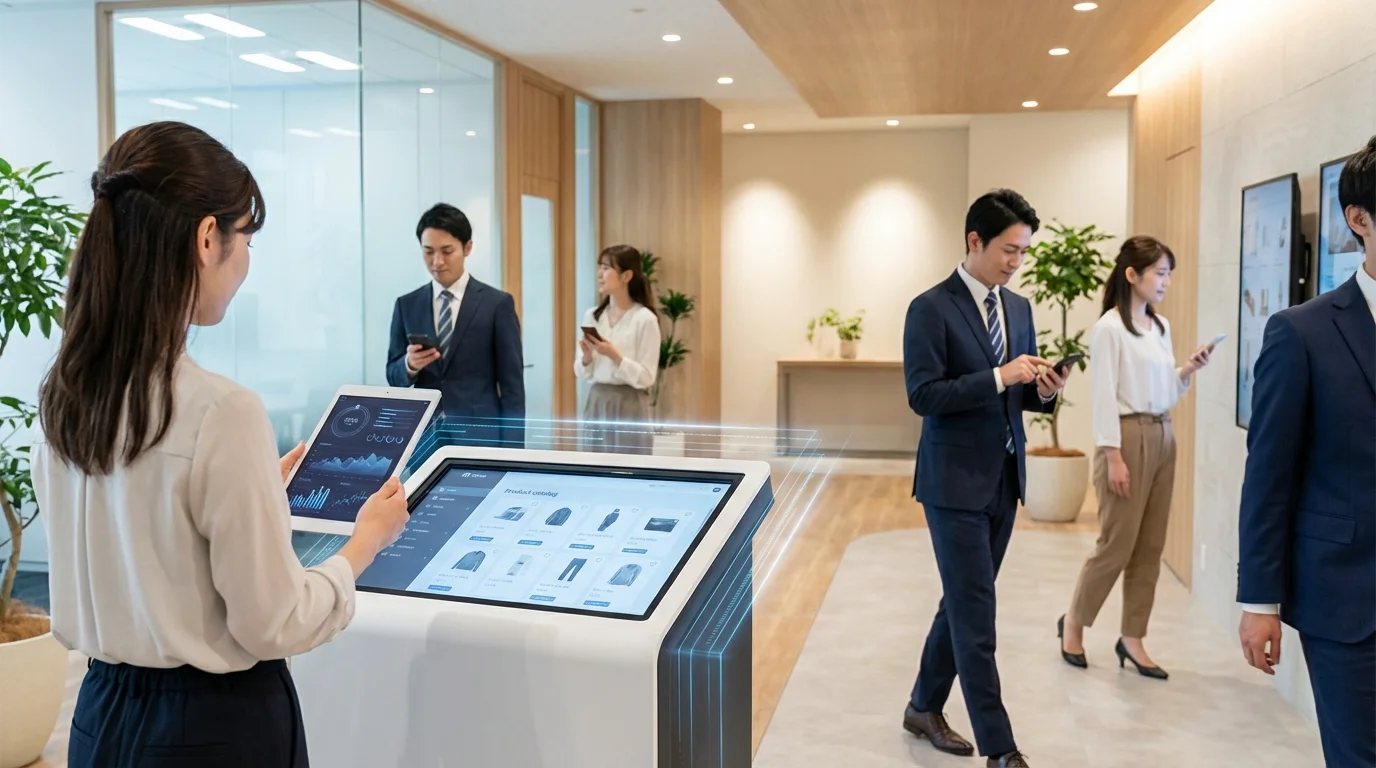
1. Definition of OMO: Merging Online and Offline
The first concept that EC managers must understand is OMO (Online Merges with Offline). This article covers OMO's basic definition, its differences from O2O and multichannel approaches, and how it fundamentally restructures the customer experience across all touchpoints.
Unlike traditional O2O which treats online and offline as separate channels to be bridged, OMO assumes the customer journey is inherently fluid — a single continuous experience where channel boundaries are invisible to the consumer.
2. Critical Differences from O2O and Omnichannel
The critical difference from O2O is directionality: O2O is typically one-way (online to offline), while OMO is bidirectional and fluid. The difference from omnichannel is depth: omnichannel provides consistent experiences across channels but still treats each channel as distinct. OMO merges them so completely that the channel becomes invisible to the customer.
- O2O (Online to Offline): Refers to "measures" guiding customers from online (SNS, apps) to offline (stores). Example: Distributing store-exclusive coupons via apps.
- Omnichannel: Refers to "sales channel optimization" connecting all touchpoints so customers can purchase anywhere.
- OMO: Rather than the seller's perspective,"customer experience value (UX/CX)"is the focus, fusing online and offline without distinction.
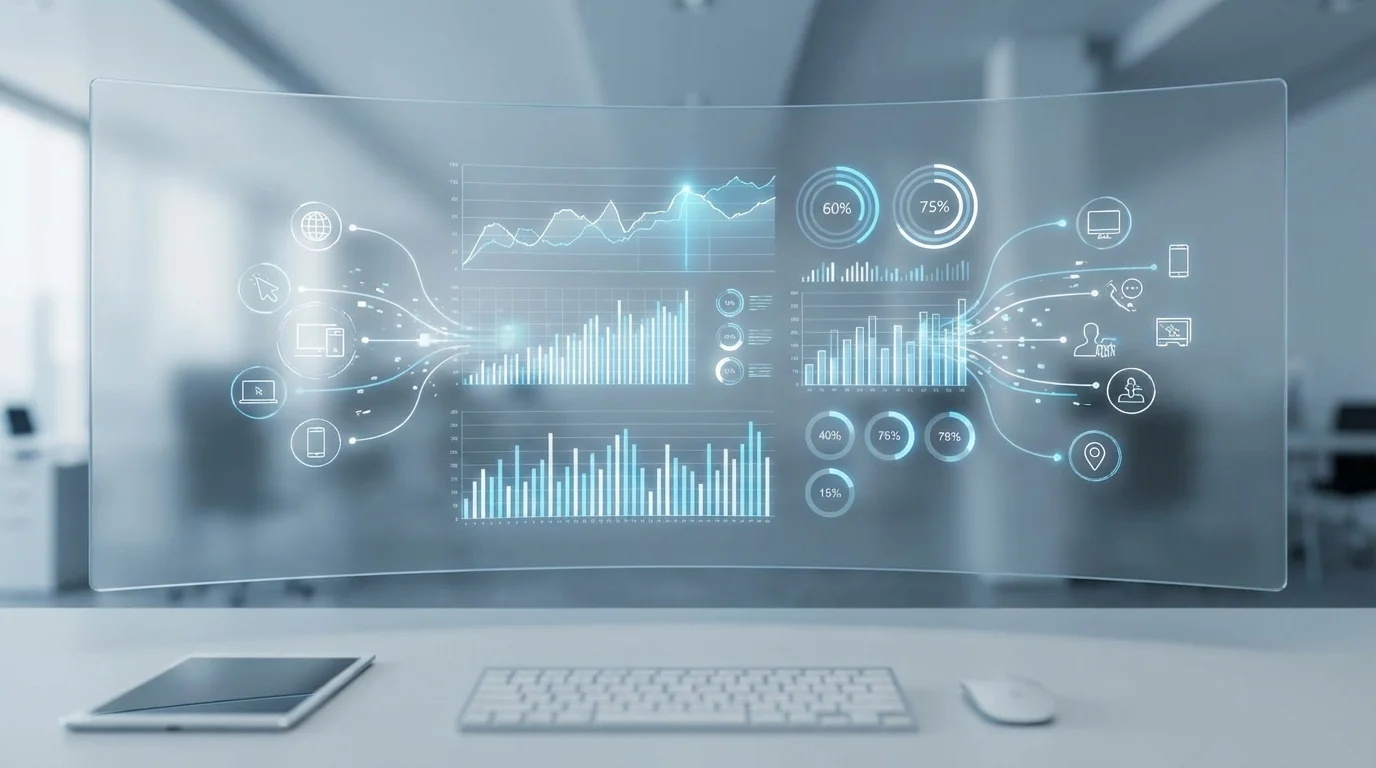
The demand for OMO has grown due to three factors: (1) smartphone penetration enabling always-connected consumers, (2) advances in IoT and sensor technology enabling real-time data capture in physical spaces, and (3) AI/ML capabilities enabling real-time personalization across touchpoints. Data utilization across all channels is the technological foundation of OMO.
3. Background for OMO Demand and Data Utilization
Successful OMO implementation follows four steps: (1) Data unification through CDP implementation, (2) Customer journey mapping across all touchpoints, (3) Technology integration connecting POS, EC, CRM, and marketing automation, and (4) Organizational alignment — breaking down silos between digital and retail teams.
One important point is that OMO implementation doesn't require massive investment from the start. Beginning with "app-based digital coupons usable in stores" or "online stock checks for physical store inventory" allows you to start small and expand based on results. The key success factor is starting with a small area and scaling based on data-driven validation.
- Customer attribute data (age, gender, residence)
- Purchase behavior data (purchase history from both EC and stores)
- Behavioral data (app launches, store check-ins, browsing history)
4. OMO Success Steps for Achieving CX Improvement
From OMO strategy planning to technical support for data integration, our specialized consultants will partner with you.
Frequently Asked Questions
- Q. Does OMO implementation require large-scale system renovation?
- A. Full-scratch systems aren't necessarily needed from the start. Many companies begin with "small starts" linking store and EC customer IDs via LINE official accounts.
- Q. Store staff are reluctant to guide customers to EC. What should we do?
- A. Evaluation system revision is essential. By counting EC purchases via QR codes scanned in-store as that store's achievement, staff motivation can be directed toward OMO.
Take Your EC Business to the Next Stage
Start with a free consultation. Please feel free to contact us via LINE or our inquiry form.
Consult on Strategy for FreeSummary
OMO is a strategic framework for providing optimal experiences by eliminating online/offline boundaries. While O2O emphasizes "guidance" and omnichannel emphasizes "convenience," OMO pursues "quality of experience" itself. Through data integration and organizational transformation, build brand experiences that keep customers coming back.
Published: 2026/2/18 / Author: Makoto Takimiya

References
- [1] METI: "E-Commerce Market Survey"
- [2] Google Marketing Platform: Rethinking the Customer Journey