

What Is O2O? Evolution to OMO and Customer Experience Improvement
"Attract customers online and drive them to physical stores." With EC market expansion, thisO2O (Online to Offline) concept has become core to retail survival strategy. For new EC managers, understanding how to leverage physical store assets and maximize CX is urgent. This article systematically covers O2O basics through its evolution to OMO.

Table of Contents (Click to expand/collapse)
1. Definition of O2O and Its Role in the Digital Era
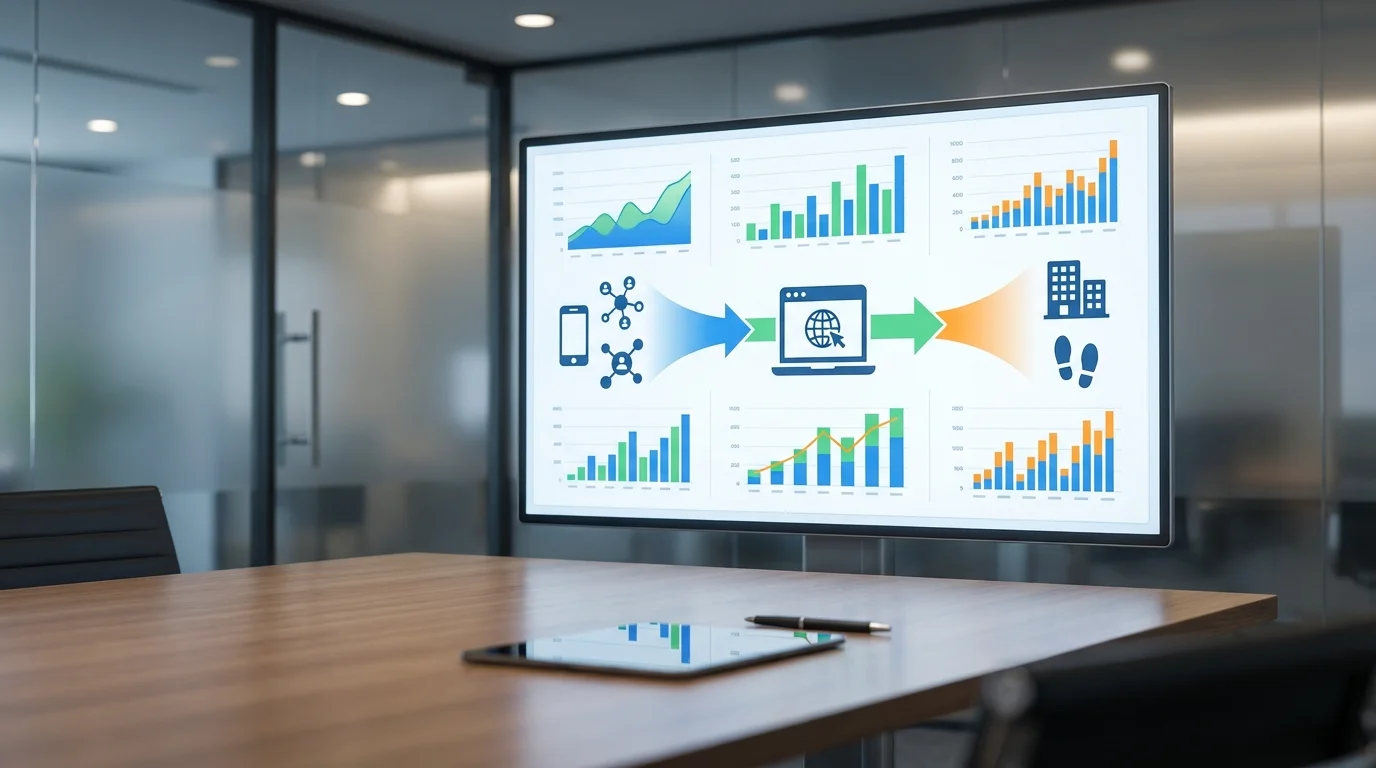
With the rapid expansion of the EC market, the O2O (Online to Offline) concept has become core to retail digital transformation. O2O encompasses all strategies and mechanisms that drive online consumers to physical store visits, bridging the gap between digital discovery and in-person purchasing experiences.
The evolution from simple O2O (coupons driving foot traffic) to sophisticated OMO (Online Merges with Offline) represents a paradigm shift — from channel-centric thinking to customer-journey-centric design where online and offline touchpoints merge seamlessly.
2. From O2O to OMO: Evolution for CX Improvement
The evolution from O2O to OMO represents a paradigm shift: rather than connecting separate channels, OMO dissolves the boundary entirely. In an OMO framework, customer data flows seamlessly across all touchpoints — a customer browsing online, visiting a store, and purchasing via mobile is recognized as a single unified journey. This enables true CX optimization.
Three pillars define successful O2O initiatives: (1) Data Integration — unifying customer data across online and offline channels through CDP (Customer Data Platform), (2) Experience Design — creating seamless transitions between digital and physical touchpoints, and (3) Measurement — attributing offline conversions to online touchpoints for accurate ROI calculation.
3. Three Pillars of Successful O2O Initiatives
Data shows that customers who engage in O2O behavior (research online, purchase in-store or vice versa) have 30-40% higher lifetime value compared to single-channel customers. Physical store visits can be accurately measured through beacon technology, Wi-Fi analytics, and geo-fencing, enabling precise attribution of online campaigns to offline foot traffic.
- Incentive Design: Providing motivation to visit stores (coupons, exclusive events, advance try-ons).
- Pursuit of Convenience: Building frictionless purchase processes including mobile ordering and store inventory checking.
- Data Circulation: Bidirectional data integration using store purchase data for EC recommendations.
4. Data Insights: Impact of Driving Traffic to Physical Stores
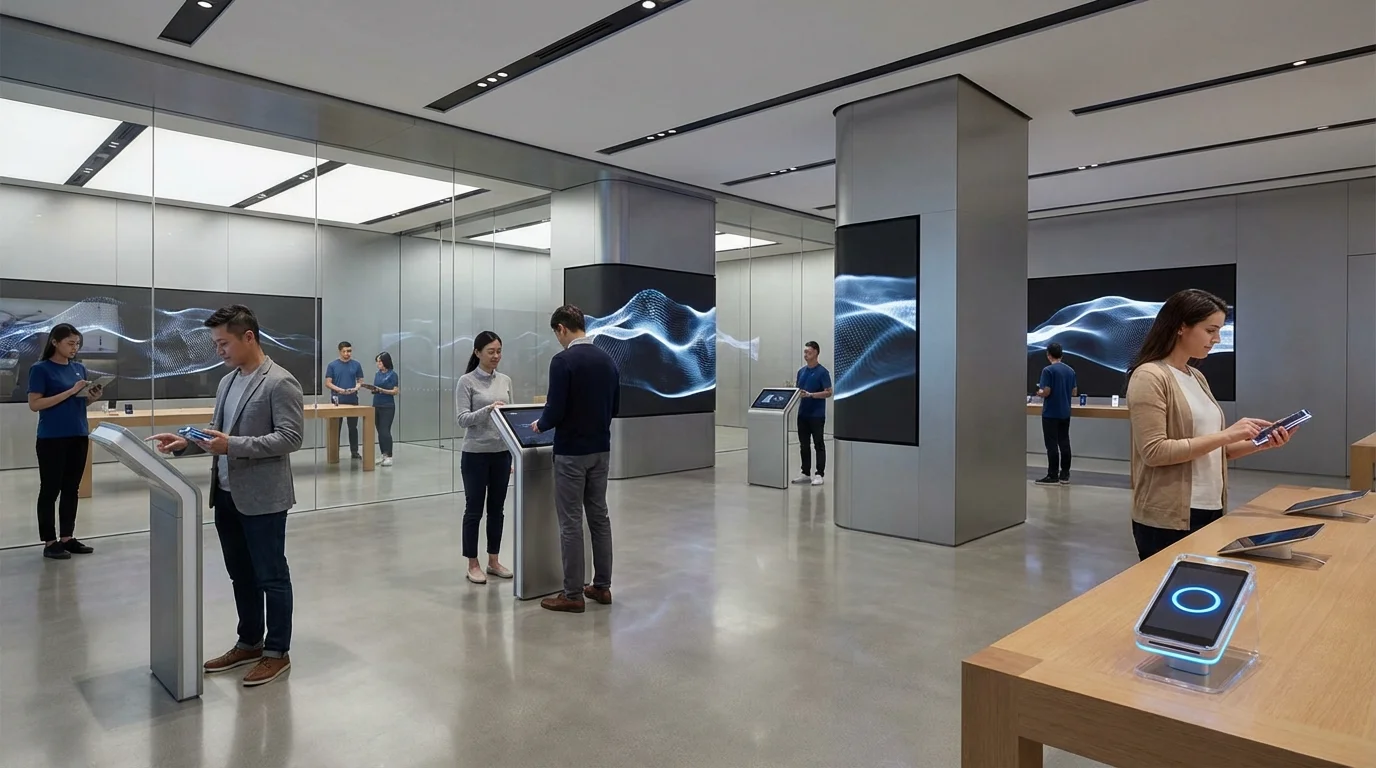
The chart below shows the trend in average monthly in-store visitor numbers before and after implementing digital measures (conceptual image). A proper O2O strategy becomes a powerful engine for restoring vitality to physical stores.
Frequently Asked Questions
- Q. What should I do first when starting O2O?
- A. Start with "store inventory visualization." Simply displaying "This product is in stock at XX store" on the EC site drives traffic to stores.
- Q. What is the difference between omnichannel and O2O?
- A. Omnichannel focuses on channel strategy of "diversification and integration of sales channels," while O2O focuses more on specific "traffic-driving actions."
Take Your EC Business to the Next Stage
From O2O strategy planning to system integration with an eye toward OMO, our specialized consultants will guide you throughout the process.
Consult on Strategy for FreeSummary
O2O is not just a coupon distribution tool, but a bridge connecting online convenience with offline experiential value. For new EC managers, first check whether your digital touchpoints serve as "flow lines" to stores. And ultimately, evolve toward OMO through data integration to maximize LTV (Customer Lifetime Value).
Published: 2026/2/18

Read Also


References
- [1] METI: "E-Commerce Market Survey Report"
- [2] Japan Retail Association: "Recommendations on Digital Transformation and Physical Store Roles"