

[2026 Latest] High-Unit Price, High-Profit Models Using STEAM Materials to Outperform Major Competitors
In 2026, as the declining birthrate accelerates, the cram school industry faces a double burden: oligopoly by major capital and falling unit prices for instruction. Traditional five-subject teaching alone cannot compete with major schools that deploy TV commercials and low-cost video lessons. However, what we see on the front lines of support are small and medium-sized schools achieving overwhelming regional differentiation and high profitability by strategically introducing AI and STEAM materials. We will explain survival strategies that break away from the red ocean of subject instruction and use next-generation skills as a weapon.
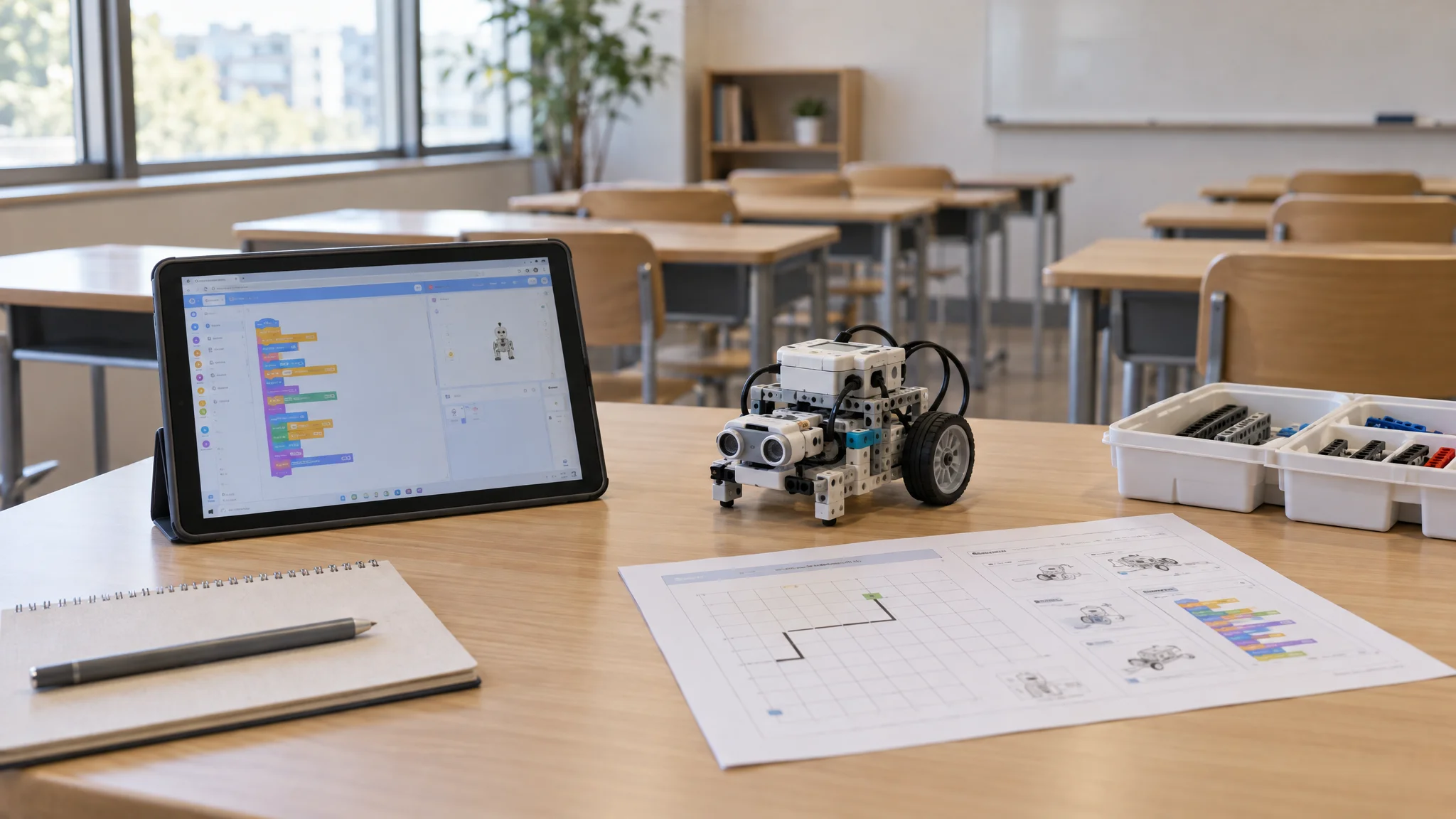
Table of Contents (Click to open/close)
1. The Limits of Subject Instruction: Why STEAM Education Now?
A common concern we hear on the front lines of support is, "A major school has moved in nearby, and we're caught in a price war over tuition." Improving grades in the five core subjects has become commoditized, leaving parents with no criteria for judgment other than price. This is where the addition of STEAM education to foster "non-cognitive skills" and "problem-solving abilities" becomes crucial.
[Explanation] What are STEAM Materials?
STEAM stands for Science, Technology, Engineering, Arts (Liberal Arts), and Mathematics. STEAM materials for integrated learning refer to those that allow students to experience the process of "posing their own questions and solving them" using digital technology and teaching tools, rather than just memorizing knowledge.
- Robotics and Programming Materials: Controlling small robots to learn the logic of engineering and mathematics.
- Data Science Materials: Analyzing environmental data collected by sensors to derive scientific evidence.
- Digital Fabrication: Using 3D printers and other tools to give shape to one's own ideas (design and engineering).
Looking at 2026 market data, the STEAM education market continues to grow at an annual rate of over 15%. This is driven by the expansion of "Comprehensive Selection" (holistic admissions) in high school and university entrance exams. In an era where students are judged not just on subject scores but on "what they have done," STEAM materials become a powerful motivation for enrollment.
2. Reducing Labor Costs and Achieving Individual Optimization Through AI
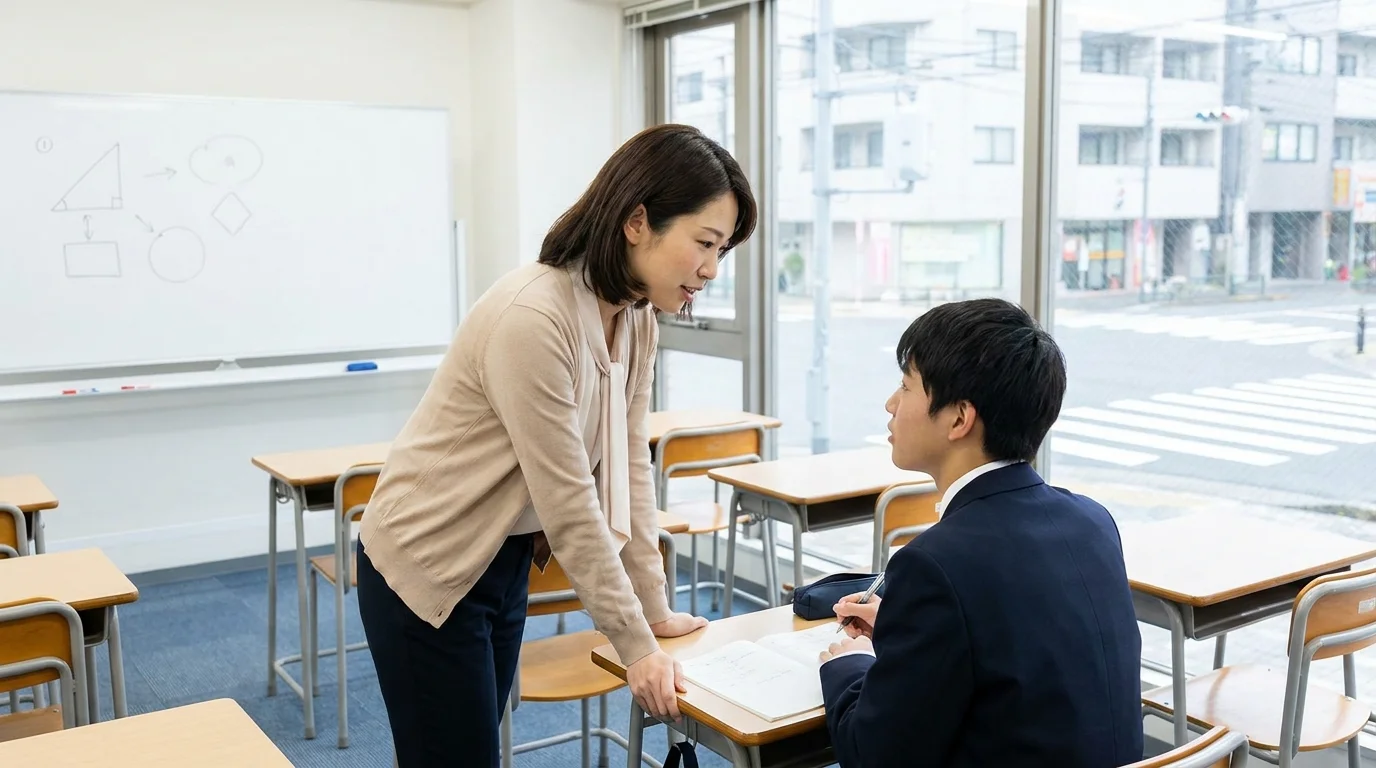
Generative AI (GenAI) also solves the challenge of "not having instructors who can teach even if new materials are introduced." By implementing the latest Adaptive Learning systems, instructors can shift their role from "teachers" to "coaching partners." In fact, by applying the data analysis expertise cultivated in Own EC Construction and Growth Support to school management, AI can visualize each student's progress and automatically generate optimal assignments.
A common issue on the ground is management that depends on the quality of part-time instructors, but by placing AI materials at the core, it is possible to standardize the quality of education while reducing labor cost ratios by 10–15%. This allows the saved costs to be allocated to the introduction of the latest equipment or higher value-added face-to-face coaching.

3. Package Design to Achieve High Unit Prices and High LTV
In our support work, we emphasize that simply adding a "programming class" is not enough. Successful schools adopt a "hybrid model" that fuses existing subject instruction with STEAM. For example, a curriculum where physical laws learned in science class are put into practice through robot control using STEAM materials.
Such packages can increase the average spend per customer by 1.5 to 2 times compared to simple remedial schools. Furthermore, because it creates a system where students continue to attend for a long time from early childhood through high school, LTV (Lifetime Value) improves dramatically. In Own EC Construction and Growth Support, improving LTV directly leads to management stability, and the exact same logic applies to school management.

4. A Concrete Implementation Roadmap for Small and Medium-Sized Schools
First, start by redefining your school's strengths and target audience. Rather than introducing it to all grades at once, we recommend a pilot implementation focused on the "junior high school entrance exam segment" or the "early elementary school retention segment," where differentiation is most effective.
The biggest concern for teachers on the ground is the "operational burden," but by utilizing SaaS-based AI materials, initial setup can be completed in a few days. What matters is not the introduction of the materials themselves, but how you verbalize and present them as "value to parents." We provide consistent support not only for the digitalization of educational content but also for the DX of the customer acquisition process.
FAQ
- Q. Does implementing STEAM materials require a large initial investment?
- A. No. Currently, cloud-based subscription materials are the mainstream. By adopting a pay-as-you-go model based on the number of students, it is possible to keep initial costs low and start small.
- Q. We only have humanities-focused instructors; can they teach AI or STEAM?
- A. Yes, it is possible. Since AI materials handle the bulk of the teaching, instructors can focus on "how to provide hints" and "motivation management." Coaching skills that encourage student trial and error are more important than specialized knowledge.
- Q. Won't we lose if major cram schools start doing the same thing?
- A. Major schools need to maintain their existing "group lesson model," so a full transition to highly personalized STEAM education takes time. Rapid, community-based decision-making is the weapon of small to mid-sized schools.
Take your school's differentiation strategy to the next level
We offer free revenue improvement simulations for AI and STEAM implementation.
Talk to us for a free strategy consultationSummary
In cram school management in an era of declining birthrates, the key to beating major competitors lies in "added value beyond subject instruction." Establishing a high-unit-price blue ocean market with STEAM materials while using AI to control labor costs is an essential strategy for 2026 and beyond. Balancing educational quality and profitability can be achieved through appropriate technology selection and package design. Taking a step forward without fear of change is the first step to survival.
Published: October 28, 2026 / By: Osamu Yasuda

Osamu Yasuda
Senior Managing Director & COO
Meets Consulting Inc.
Supported 100+ EC operations & logistics projects; specialist in operations and cost optimization
Related Articles


References
- [1] Ministry of Education, Culture, Sports, Science and Technology (MEXT), "Promotion of Cross-disciplinary Learning such as STEAM Education"
- [2] Ministry of Economy, Trade and Industry (METI), "Learning Innovation" Project Demonstration Report