
[2026 Latest] Dynamic Optimization of Chair Occupancy: Improving Yield Rates and Cancellation Prediction via Machine Learning
In dental practice management, the single largest factor causing opportunity loss is "appointment cancellations." In particular, last-minute cancellations and no-shows completely waste the resources of prepared dental hygienists and dentists, as well as chair time. As of 2026, leading dental clinics are standardizing "yield management," which dynamically controls occupancy rates by introducing cancellation prediction models using machine learning. This article explains specific strategies for maximizing chair occupancy and improving yield rates through the use of AI.

1. Scoring Cancellation Risk via Machine Learning
The first step in AI-driven appointment optimization is calculating a "cancellation probability" for each individual booking. This involves a multifaceted analysis of past visit history, appointment timing (day of the week/time slot), weather forecasts, and patient attribute data. For example, an appointment on a "Monday morning on a rainy day" for a "patient with a history of two or more past cancellations" is statistically assigned a very high risk score.
The following graph shows the trend in average monthly chair occupancy rates before and after the introduction of AI-based cancellation prediction. It is evident that the yield rate has significantly improved through the optimization of pre-reminders based on these predictions.
By visualizing risk in this way, AI can automatically send personalized LINE notifications or make phone calls only for high-risk appointments, making it possible to encourage reliable attendance.
2. Implementing Dynamic Slots
We apply the concept of "yield management," used in the airline and hotel industries, to dental clinics. Instead of treating all appointment slots as fixed, the "density" of the slots is adjusted according to the cancellation risk. For time slots predicted to be high-risk, flexible operations are implemented, such as lightly overlapping "emergency slots" or "short check-up slots" in advance, or providing a buffer.
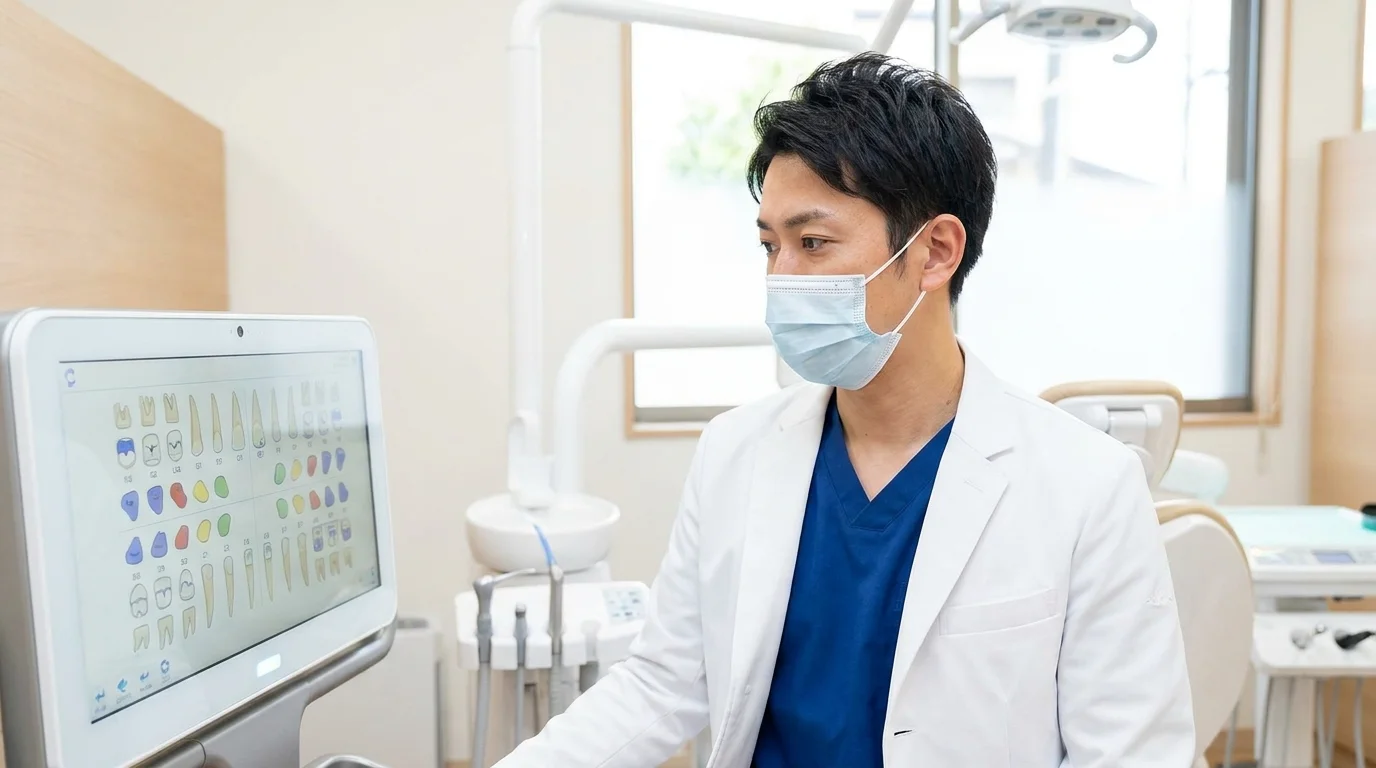
Through this dynamic optimization, even if one person cancels, it becomes possible to move up another patient's treatment or smoothly guide waiting emergency patients. As a result, "empty chair time" is physically eliminated.
3. Minimizing Opportunity Loss through Real-Time Reallocation
When a last-minute cancellation occurs, the AI immediately lists "patients who are highly likely to fill that slot." It automatically sends push notifications to nearby residents wanting regular check-ups or patients who have previously requested to be seen sooner if an opening arises. This real-time matching is the source of competitive advantage in dental management in 2026.

By having the system automatically fill vacant slots, saving staff the trouble of making manual phone calls, profitability can be improved without increasing the burden on-site. Furthermore, for patients, it leads to an improved CX (Customer Experience) by allowing them to be seen earlier than scheduled.
FAQ
- Q. Does implementing AI require a massive amount of historical data?
- A. If you have at least one year's worth of appointment and visit data, it is possible to build a highly accurate prediction model. Even if data is scarce, you can start with a general-purpose model that has learned common cancellation trends and then accumulate and optimize clinic-specific data during operation.
- Q. Is there a risk of patients finding out they are flagged as "likely to cancel"?
- A. Scoring is performed strictly on the backend. Since contact with patients takes the form of "enhanced reminders" or "information on special offers," it does not cause any discomfort. In fact, in most cases, it is positively received as a thorough follow-up.
- Q. Can small private clinics expect a return on investment (ROI)?
- A. Yes. The fewer chairs you have, the greater the impact a single cancellation has on management. By preventing a few cancellations per month through AI automation and simply filling vacant slots, you can expect an increase in revenue that well exceeds the monthly system usage fee.
Taking Dental Clinic DX and AI Utilization to the Next Level
Are you struggling with low chair utilization rates or handling cancellations?
We propose the optimal AI implementation strategy based on your clinic's data.
Summary
In dental management in 2026, optimizing chair utilization through AI is no longer just a 'nice-to-have tool' but an 'essential infrastructure for survival.' By combining machine learning-based cancellation prediction, dynamic appointment slot management, and real-time reallocation, you can minimize opportunity loss and maximize profit margins. Now is the time to consider transforming into a 'no-wait, no-vacancy' dental clinic through data utilization.
Published: May 28, 2026 / By: Osamu Yasuda
Related Articles



References
- [1] Healthcare Yield Management Systems: Optimization of Appointment Scheduling.
- [2] Machine Learning for Patient No-show Prediction in Clinical Settings.