

What Is Amazon America? FBA and Logistics Optimization Basics for Cross-Border EC Beginners
The US Amazon market holds an overwhelming position as the world's largest e-commerce market. For Japanese SMEs, expanding to the US via Amazon is not just about "selling overseas" — it is a strategic initiative with the potential to access a market several times larger than the domestic one. In this article, we explain the mechanism of FBA (Fulfillment by Amazon) and logistics optimization to maximize profit margins in an easy-to-understand manner for beginners.
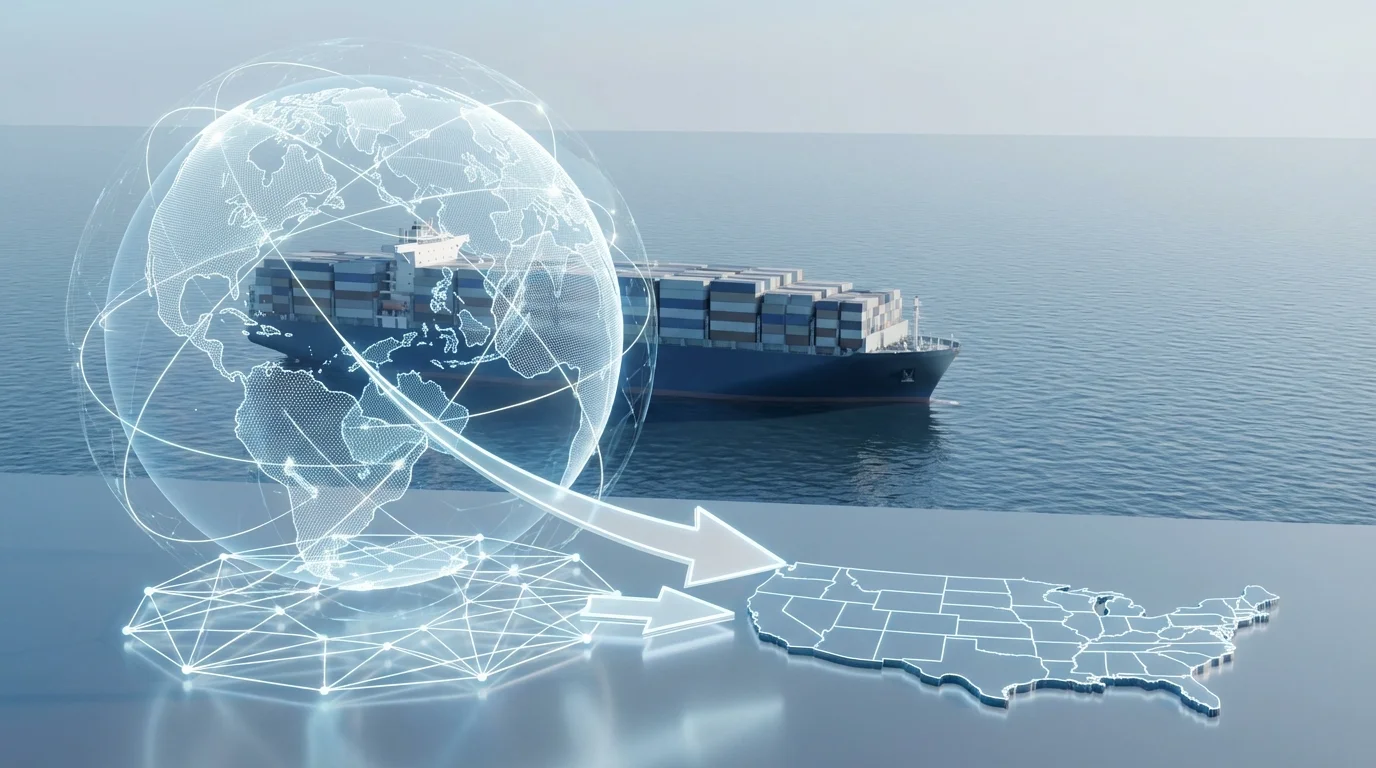
Table of Contents (Click to Expand)
1. The Significance and Market Scale of Amazon US Expansion
The US market offers Japanese sellers access to enormous consumer spending power, mature e-commerce infrastructure, and strong demand for quality Japanese products across categories.
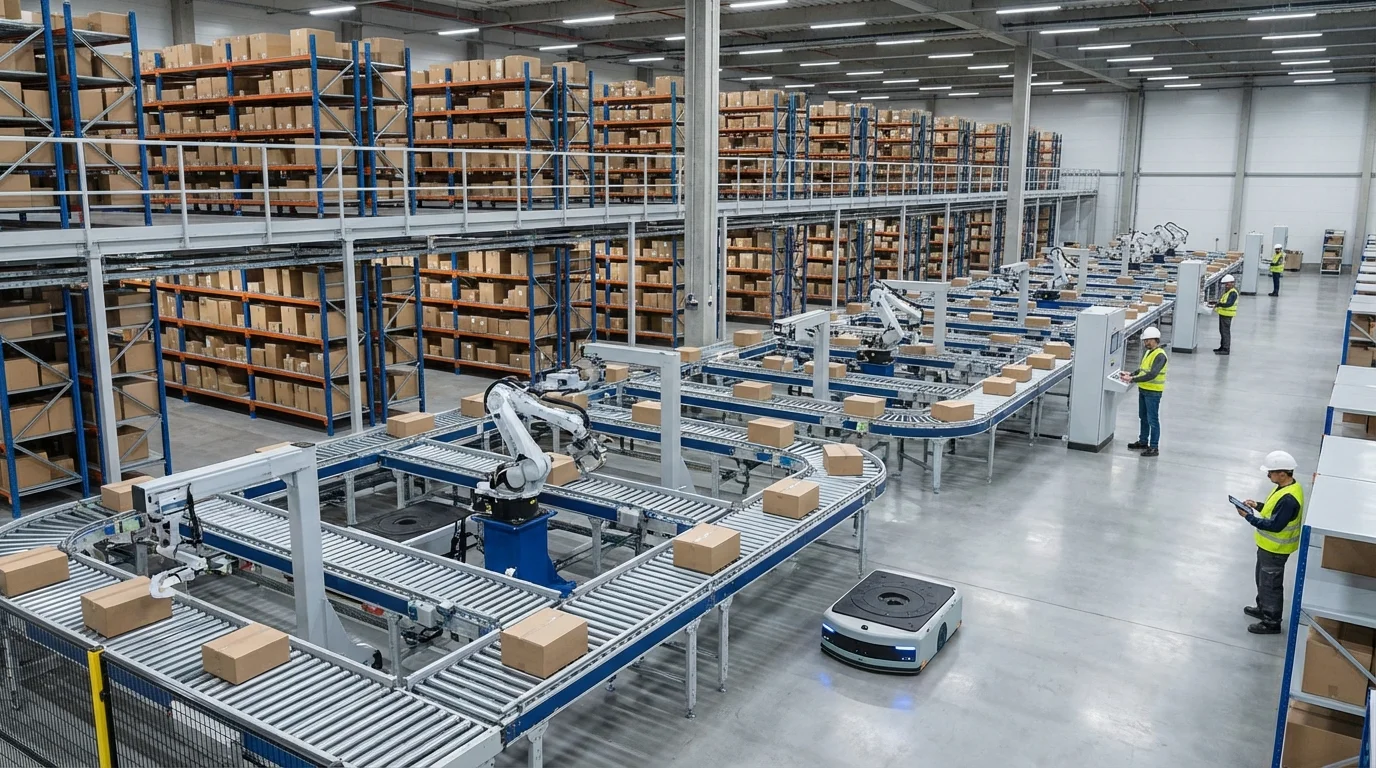
FBA (Fulfillment by Amazon) handles storage, picking, packing, shipping, and customer service for international orders. For cross-border sellers, FBA eliminates the need for local warehousing and reduces shipping complexity significantly.
2. Building a Supply Chain Using FBA (Fulfillment by Amazon)
FBA handles storage, pick-and-pack, shipping, customer service, and returns—all in English. This eliminates the need for local warehouse infrastructure and English-speaking support staff.
- Prime Badge Designation: Stimulates the strong purchasing motivation of US Prime members and dramatically improves CVR (conversion rate).
- Improved Buy Box Win Rate: Works advantageously in the algorithm compared to self-fulfillment.
- Multi-Channel Fulfillment (MCF): Orders from sales channels outside Amazon can also be shipped from Amazon inventory.
3. MECE Analysis of Logistics Costs in Cross-Border EC
Efficient logistics requires: proper customs documentation, understanding import duties, selecting reliable freight forwarders, and optimizing shipment size for cost efficiency.
- First Mile (Japan → US Receiving): International shipping, customs duties, importer fees
- Storage & Fulfillment (within FBA): Monthly storage fees, fulfillment fees, labeling options
- Reverse Logistics (Returns): Return processing costs, liquidation or disposal fees
To optimize costs, consider Size Tier optimization as a priority. Amazon's FBA fees are calculated based on product dimensions and weight, so even minor packaging adjustments can shift products into a lower Size Tier, significantly reducing per-unit fulfillment costs.
4. Logistics Strategy Data for Success
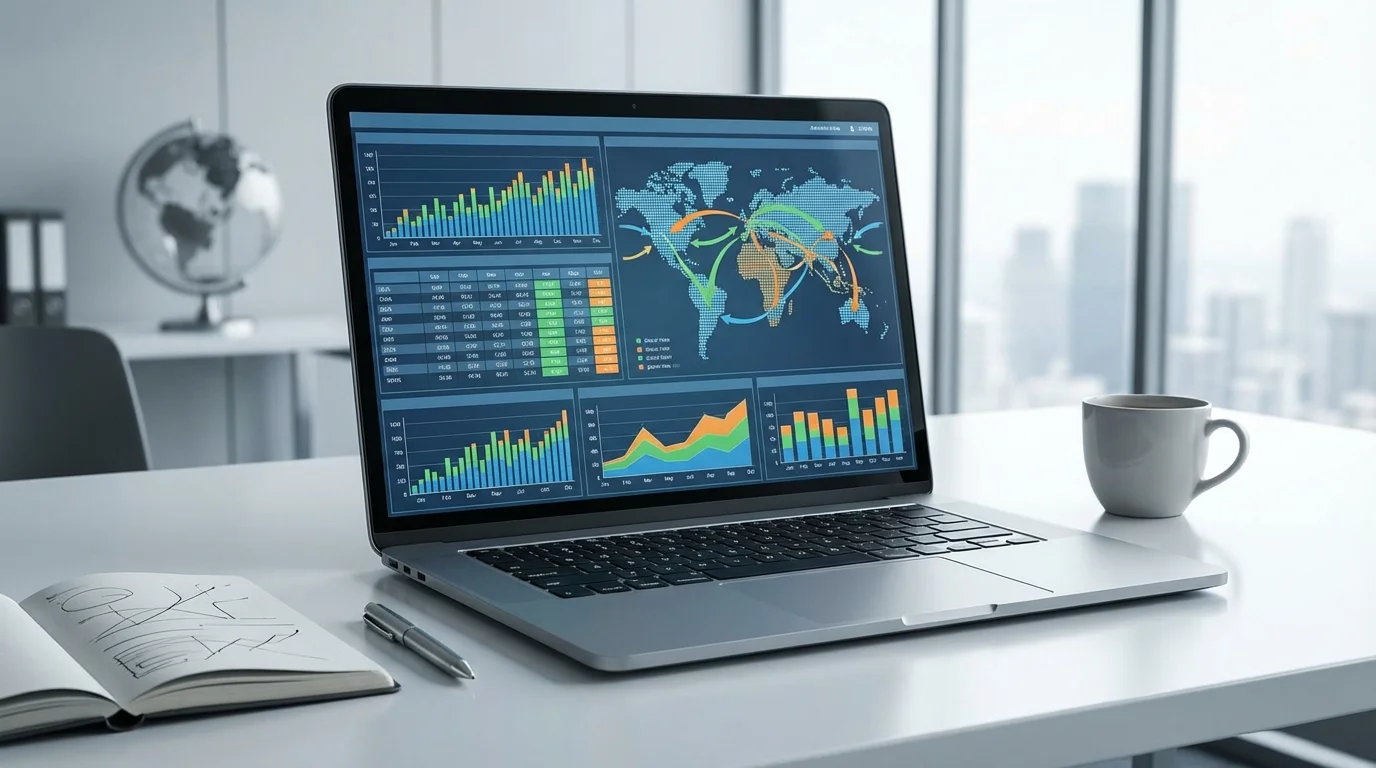
The following graph compares FBA (Fulfillment by Amazon) and FBM (Merchant Fulfilled) in terms of average conversion rate (CVR) and delivery satisfaction scores.
Frequently Asked Questions
- Q. What product categories sell well on Amazon US?
- A. Japanese products with strong brand recognition perform well: beauty/skincare, unique kitchenware, anime merchandise, and precision tools.
- Q. Can I sell on Amazon US without English proficiency?
- A. Yes. Seller Central supports Japanese, and FBA handles English customer service. However, listings should be professionally translated for optimal conversion.
Take Your EC Business to the Next Stage
From US market entry to comprehensive cross-border EC operations, our expert consultants provide hands-on support.
Get Free Strategy ConsultationSummary
Amazon US offers access to the world's largest marketplace. Leveraging FBA for fulfillment, optimizing international logistics, and following a systematic approach enables cross-border beginners to build sustainable US revenue.
Published: 2026-02-25 / Author: Yuta Ito

Related Articles



References
- [1] Amazon Global Selling: Japan to USA Guide
- [2] Amazon FBA: US Fulfillment Center Requirements