

Complete Cross-Border EC Introduction: What Is Cross-Border? MECE Fundamentals for Global Expansion
The word "cross-border" has become a megatrend in the EC industry, and against the backdrop of domestic market deflation and population decline, many companies are rushing toward global expansion. However, with only a superficial understanding of "selling overseas," navigating complex customs, diverse regulations, and SCM (Supply Chain Management) optimization becomes extremely challenging. In this article, we use MECE (Mutually Exclusive, Collectively Exhaustive) frameworks to systematically organize everything from the basics of cross-border EC to practical entry strategies.

Table of Contents (Click to Expand)
1. Definition of Cross-Border EC and Macro Market Trends
Cross-border EC refers to the buying and selling of products across national borders via the internet. The global cross-border EC market exceeded $780 billion in 2022 and is projected to grow at a CAGR of approximately 27% through 2030. For Japanese companies, this represents significant opportunities across regions such as North America, Southeast Asia, and Greater China — particularly through platforms like Amazon, Shopee, and Tmall that provide the infrastructure for market entry.
2. 3 MECE Frameworks for Structuring Global Expansion
- Platform Portfolio: Branding through proprietary domain-based sites versus traffic acquisition through marketplace platforms such as Amazon, Tmall, and Shopee. Starting with both in parallel is difficult for most SMEs, so determining priority is the first strategic decision.
- Payment Infrastructure (FinTech): In addition to credit card payments, responding to PayPal, digital wallets in each country (GrabPay, Alipay, etc.), and BNPL (buy now, pay later) is essential. Payment methods directly impact CVR, making this a critical variable.
- Governance & Compliance: Export regulations including deemed export classification, data protection regulations such as GDPR, and compliance with local consumer protection laws.
3. Logistics and Customs: Practical Hurdles Based on Incoterms
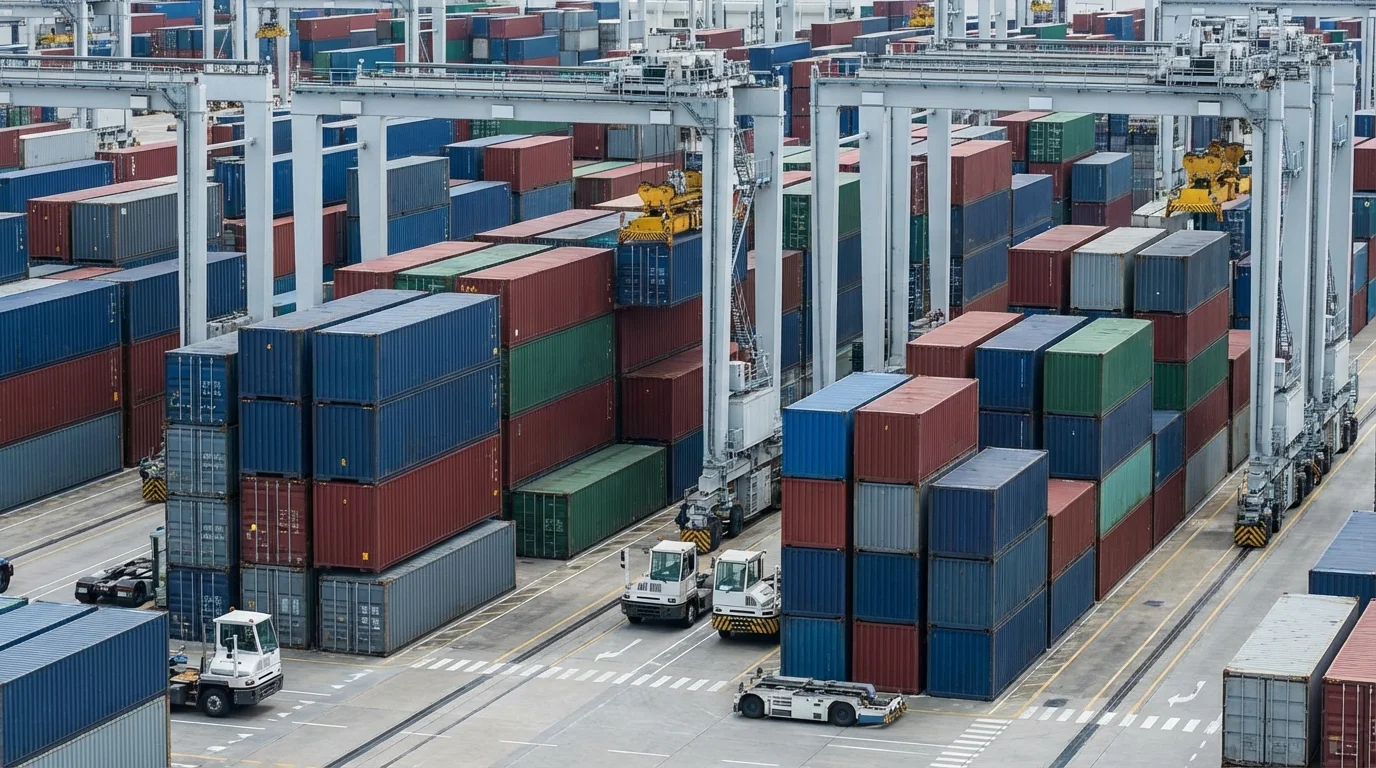
Two of the biggest practical hurdles in cross-border EC are logistics and customs compliance. International shipping involves choosing between direct shipping, bonded warehouse models, and third-party logistics (3PL). Each has different cost structures and delivery timelines. Customs procedures require proper HS code classification, understanding of import tariffs, and compliance with destination country regulations including labeling, certifications, and restricted product categories.
4. Global SEO and Search Intent Localization Strategy

Frequently Asked Questions
- Q. What is the minimum preparation to start cross-border EC?
- A. A marketplace account (Amazon Global Selling is lowest barrier), translated product listings, international shipping logistics (FBA recommended), and basic customs/tax understanding.
- Q. Which marketplace should I start with?
- A. US Amazon (amazon.com) is recommended for beginners due to market size, established FBA infrastructure, and relatively straightforward regulatory environment.
Take Your EC Business to the Next Stage
From market selection to end-to-end cross-border EC operations, our expert consultants provide comprehensive support.
Get Free Strategy ConsultationSummary
Cross-border EC offers access to a $700+ billion global market. Using a MECE framework for planning, starting with low-risk marketplace approaches, and learning from common pitfalls enables sustainable international revenue streams.
Published: 2026-02-18
References
- [1] JETRO: Cross-Border EC Market Research Report
- [2] Ministry of Economy: E-Commerce Market Survey