

【What Is Amazon Overseas? The Basic Roadmap for SMEs to Succeed in Cross-Border EC with MECE Market Selection】
For SME executives and EC managers thinking "we're worried about depending solely on the domestic market" or "we want to deliver our products worldwide," Amazon overseas selling (Global Selling) is the lowest-barrier, most scalable cross-border EC option. However, simply listing products won't generate sales. Organizing local logistics, tax systems, language, and competitive analysis in a "MECE (no gaps, no overlaps)" framework and designing a strategic roadmap is the shortest path to success. This article explains everything from the basics of Amazon overseas expansion to specific success processes from a professional perspective.

1. The Big Picture of Amazon Overseas Selling and Benefits for SMEs
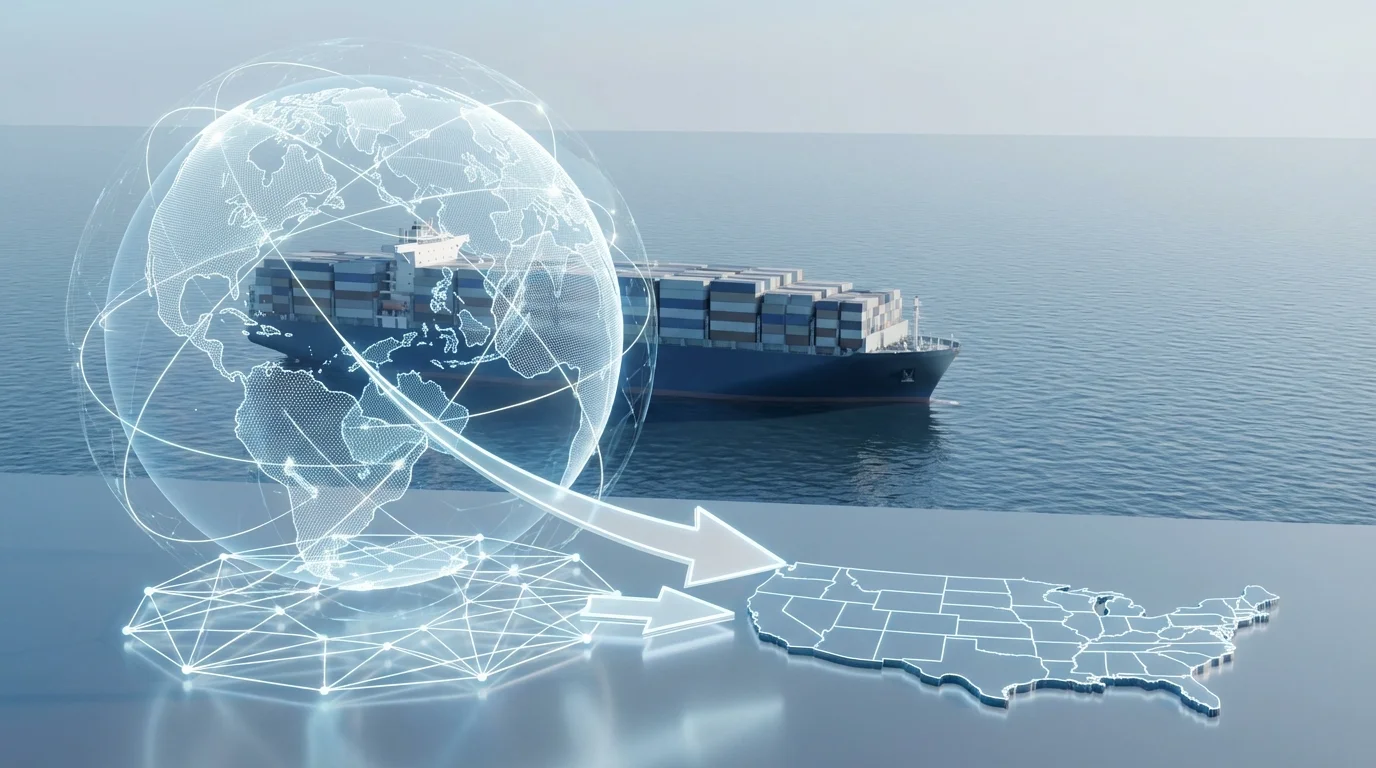
"Amazon overseas selling" refers to listing and selling directly on Amazon sites in countries like the US, Europe, and Asia using Amazon's global platform. The biggest advantage for SMEs is reaching hundreds of millions of active users without having local operations.
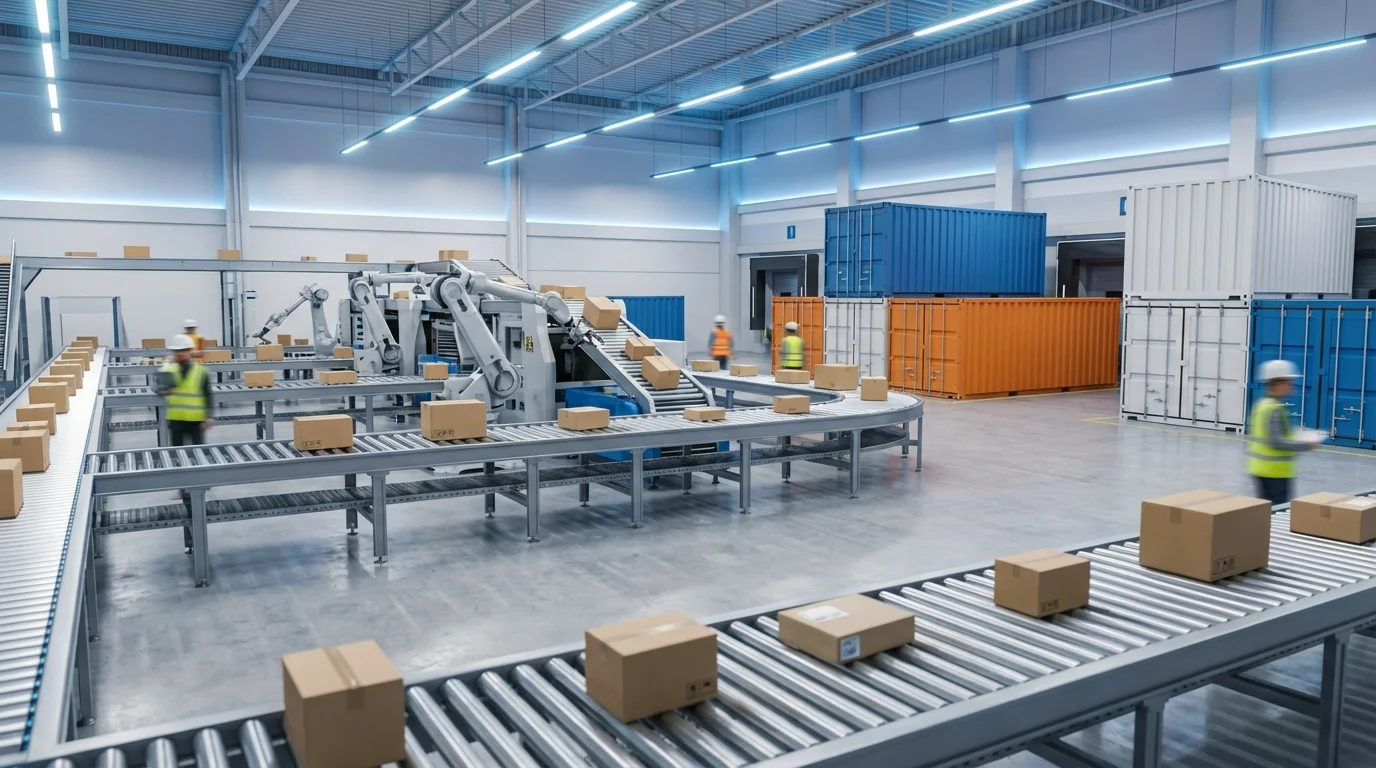
In particular, by utilizing Amazon's logistics network FBA (Fulfillment by Amazon), you can outsource local delivery, customer service, and return processing entirely to Amazon. This enables market entry with minimal resources, even for companies with limited personnel.
By utilizing FBA (Fulfillment by Amazon), companies can delegate local delivery, customer service, and returns handling entirely to Amazon. This enables even resource-limited SMEs to build a 24/7 system for delivering products worldwide.<
2. MECE Market Selection: Which Country to Start With
In market selection, it's important to eliminate emotional judgment and analyze data from a MECE perspective. The chart below shows the correlation between growth rates and market size of major Amazon overseas markets.
The first market to consider is Amazon.com (United States), which stands out in purchasing power, logistics infrastructure maturity, and traffic. Next, consider Australia (lower language barrier) and Asian markets like Singapore (high trust in Japanese products).

3. The Basic Roadmap for Success: Three Phases
To succeed in cross-border EC, you must follow these three phases:
- Phase 1: Preparation and Research — Confirm regulations by country (FDA for food, PSE equivalents for electronics, etc.) and conduct ASIN-based competitive price research.
- Phase 2: Test Selling — Use FBA with small inventory to measure local demand and CVR (conversion rate).
- Phase 3: Scale Up — Operate Amazon advertising (Sponsored Ads) and register your brand to prevent counterfeits.
4. Breaking Cross-Border EC Barriers with "FBA" and "ASIN"
The most complex aspects of overseas expansion are "logistics" and "product management." Amazon uses ASIN (Amazon Standard Identification Number), a common identification number, making it very smooth to link products sold in Japan to overseas catalogs.
By using FBA, once customs duties and clearance procedures (arranging an importer) are resolved, operations can run almost identically to domestic sales. How quickly you can integrate this "system" into your company's workflow determines success or failure.
Frequently Asked Questions
- Q. Can I sell overseas even if I can't speak English?
- A. Yes, it is possible. Seller Central can be operated in Japanese, and technical support offers comprehensive Japanese language support. However, since product description content (A+) needs to be created in the local language, we recommend using translation services.
- Q. How much are the initial costs?
- A. In addition to the monthly selling fee (approximately 5,000 yen), shipping costs to overseas, customs duties, and storage fees apply. The advantage of Amazon is that you can test the international market at extremely low cost compared to the risk of opening a physical store.
Take Your Overseas EC Business to the Next Stage
From market selection to logistics setup and advertising operations, our specialized consultants provide hands-on support.
Get Free Strategy ConsultationSummary
Amazon overseas selling is the most efficient tool for SMEs to open the door to global markets. The keys to success are logistics automation through FBA, thorough product management via ASIN, and market analysis from a MECE perspective. Start with the US market, or begin with niche categories where Japanese products are in high demand, and take small steps along your roadmap.
Published: 2026-02-25 / Author: Yuta Ito

Related Articles


You May Also Like
References
- [1] Amazon Global Selling - Official Entry Guide for SMEs
- [2] JETRO: 2024 Report on Cross-border E-commerce Trends