

What Is an SEO Tool? Selection Criteria and SERP Analysis Basics
For new managers assigned to EC site operations, the first wall is "traffic acquisition." SEO is essential for sustainable traffic without heavy ad spend, but manual analysis of massive data is impractical. This is where "SEO tools" become crucial. This article covers understanding what "SEO tools" actually are and what criteria should be used for selection, along with SERP analysis basics.

Table of Contents (Click to expand/collapse)
1. What Are "SEO Tools"? Their Role and Necessity
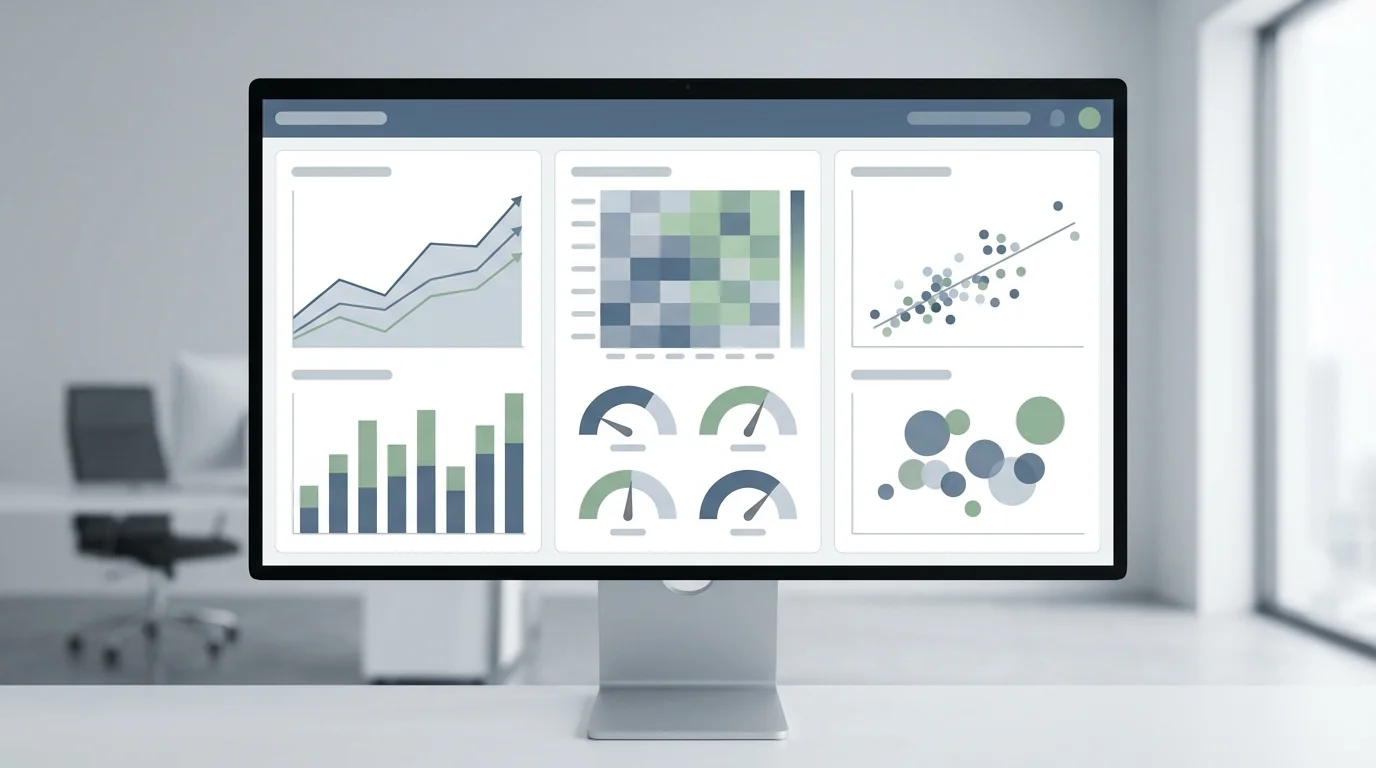
SEO tools are software solutions that automate the collection, analysis, and monitoring of search engine performance data. For EC managers entering the SEO space, these tools transform what would be hours of manual research into actionable insights delivered in minutes.
The necessity of SEO tools increases proportionally with site complexity — a small store with 50 products may manage with free tools, but scaling to hundreds of SKUs across multiple categories demands robust analytics capabilities including keyword tracking, competitor monitoring, and technical audit functionality.
2. Three Categories of SEO Tools Beginners Should Know
Three categories of SEO tools beginners should know: (1) Free tools — Google Search Console, Google Analytics, SEO Cheki — essential for baseline data at no cost; (2) Freemium tools — Ubersuggest, MozBar — offering limited free access with paid upgrades; and (3) Enterprise tools — Ahrefs, SEMrush, Moz Pro — comprehensive platforms for serious SEO investment.
- Analysis & Research Tools: Investigate search volume and competitor traffic keywords.
- Ranking Measurement Tools: Automatically records your site's ranking for specific keywords daily.
- Technical Diagnostic Tools: Evaluates site display speed and crawlability.
3. SERP Analysis Basics: Visualizing User Search Intent
The most important skill in mastering SEO tools is SERP (Search Engine Results Page) analysis. This involves analyzing what types of sites appear on the first page of search results to understand what kind of "answer (content)" Google expects for a given keyword.
For example, when searching for "gift recommendations," whether the results are dominated by EC product pages or comparison articles (blogs) determines what type of page your company should create. Tools quantify these "search intent" trends and provide actionable data.
To avoid failure when selecting tools, consider four criteria: (1) Data accuracy — cross-reference tool data with Google Search Console actual data; (2) Ease of use — complex tools with steep learning curves may go unused; (3) Integration — tools that connect with your analytics and CMS save time; and (4) Budget-to-value ratio — the most expensive tool is not always the best fit.

4. Selection Criteria and Implementation Steps for Success
The criteria for new graduate managers when choosing a tool are "usability" and "data comprehensiveness." Rather than expensive tools with too many features that you cannot fully utilize, first choose one that can pinpoint and solve your own challenges (e.g., "I don't know my rankings," "I have no ideas for articles").
Frequently Asked Questions
- Q. Are free SEO tools alone sufficient?
- A. Free tools work for basic keyword research and ranking checks, but paid tools with more reliable data are recommended for deep competitor analysis and large-scale site diagnostics.
- Q. Will rankings improve immediately after implementing tools?
- A. Tools are merely instruments for "diagnosis and analysis." Rankings improve only through continuous content improvement and internal fixes based on the data obtained.
Take Your EC Business to the Next Stage
The criteria for new graduate managers when choosing a tool are "usability" and "data comprehensiveness." Rather than expensive tools with too many features that you cannot fully utilize, first choose one that can pinpoint and solve your own challenges (e.g., "I don't know my rankings," "I have no ideas for articles"). Start with free tools, and as you grow, consider introducing paid tools.
Consult on Strategy for FreeSummary
SEO tools are not mere ranking measurement instruments, but a "compass" for unraveling user concerns and competitor strategies. For new EC managers,, start by understanding search user intent through SERP analysis. Reading the "user psychology" behind tool data is the first step to results-driven SEO.
Published: 2026/2/25

Read Also



References
- [1] Google Search Central: Search Engine Optimization (SEO) Starter Guide
- [2] Search Engine Journal: A Guide to SERP Analysis for Beginners