

OMO Multi-Store Flow Design: SNS, Store, and EC Attribution Analysis
In modern multi-store management, building OMO (Online Merges with Offline) that dissolves online/offline boundaries is essential for sustained competitive advantage. SNS functions as a "central hub" seamlessly bridging physical store visits and digital EC purchases. This article covers full-funnel flow design starting from SNSand advanced attribution analysis methods for quantitatively visualizing contributions.

Table of Contents (Click to expand/collapse)
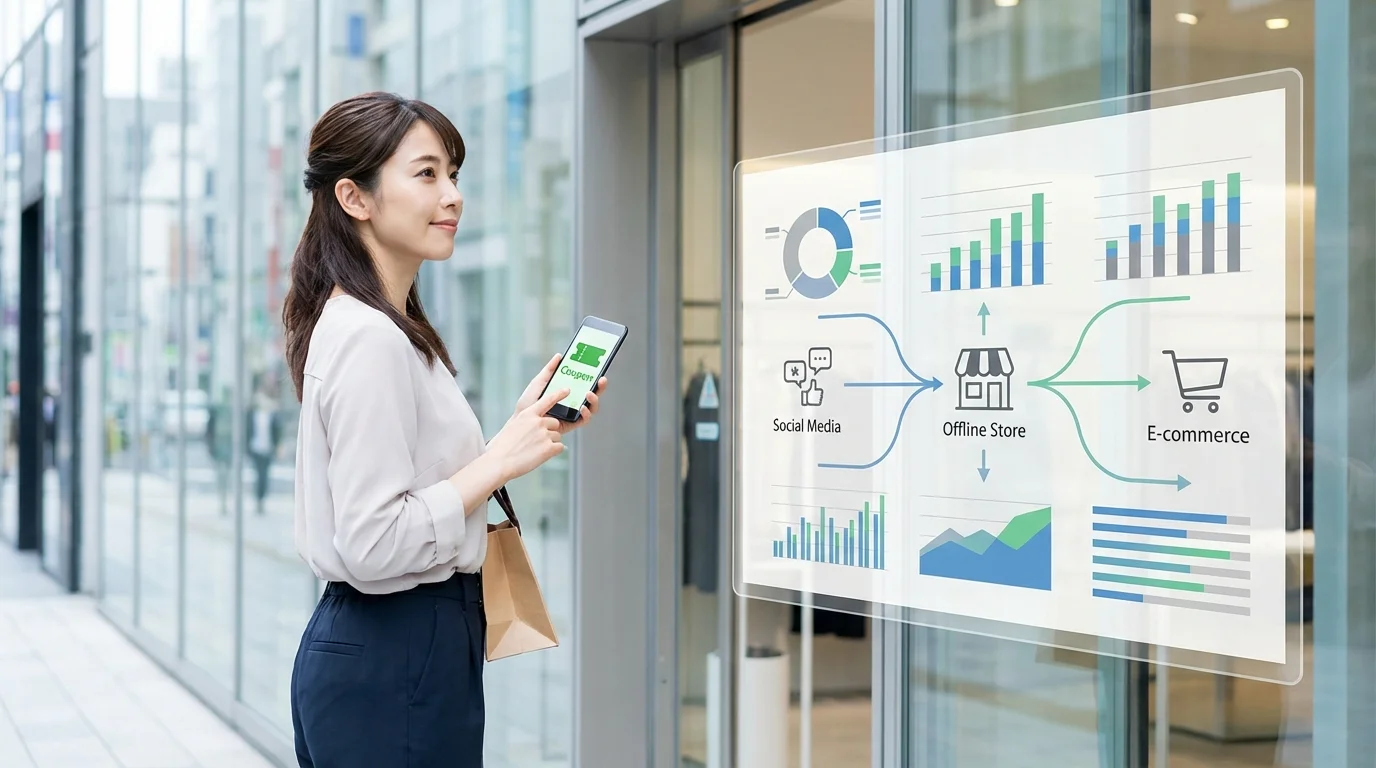
1. SNS Geo-Targeting and Physical Store Traffic Flow Design
In the OMO era, SNS platforms serve as the primary discovery channel for driving foot traffic to physical stores. Geo-targeting — delivering location-specific content and promotions to users near store locations — transforms social media from a branding tool into a measurable traffic driver with attribution tracking.
The key metric shift is from impressions (vanity) to store visit attribution (action). By combining SNS geo-targeted campaigns with in-store beacon or WiFi detection, retailers can close the attribution loop and calculate true ROAS for social-to-physical conversion.
Cross-Channel Customer Flow Between EC and Stores Using BOPIS
CDP (Customer Data Platform) data integration is the technological backbone of OMO strategy. By unifying customer data from EC transactions, in-store POS systems, app interactions, and SNS engagement into a single customer view, businesses can deliver truly personalized experiences and accurately measure cross-channel impact.
SNS geo-targeting enables precise customer flow design from digital touchpoints to physical stores. Location-based targeting on Instagram, LINE, and TikTok can deliver store-specific promotions to users within geographic proximity, driving foot traffic. When combined with store check-in incentives, this creates a measurable online-to-offline conversion path.
Attribution Analysis: Visualizing Multi-Touchpoint Contribution
Multi-touchpoint attribution analysis reveals the true contribution of each channel in the customer journey. Moving beyond last-click attribution to data-driven models shows that awareness channels (SNS, display) often contribute 30-40% of conversion value despite rarely being the final touchpoint. This insight prevents underinvestment in upper-funnel activities.
By using "touchpoint-based" weighted evaluation to measure how much each channel (SNS, research, in-store experience) contributes to final conversion, you can calculate the true return on investment. The chart below shows how the contribution score of each phase changed after OMO implementation.
Importance of CDP Data Integration in OMO Strategy
To implement high-precision attribution analysis, integrating siloed data is essential. Store POS register data, EC purchase history, and SNS advertising impression data must be aggregated into a CDP (Customer Data Platform) and linked with a common customer ID.
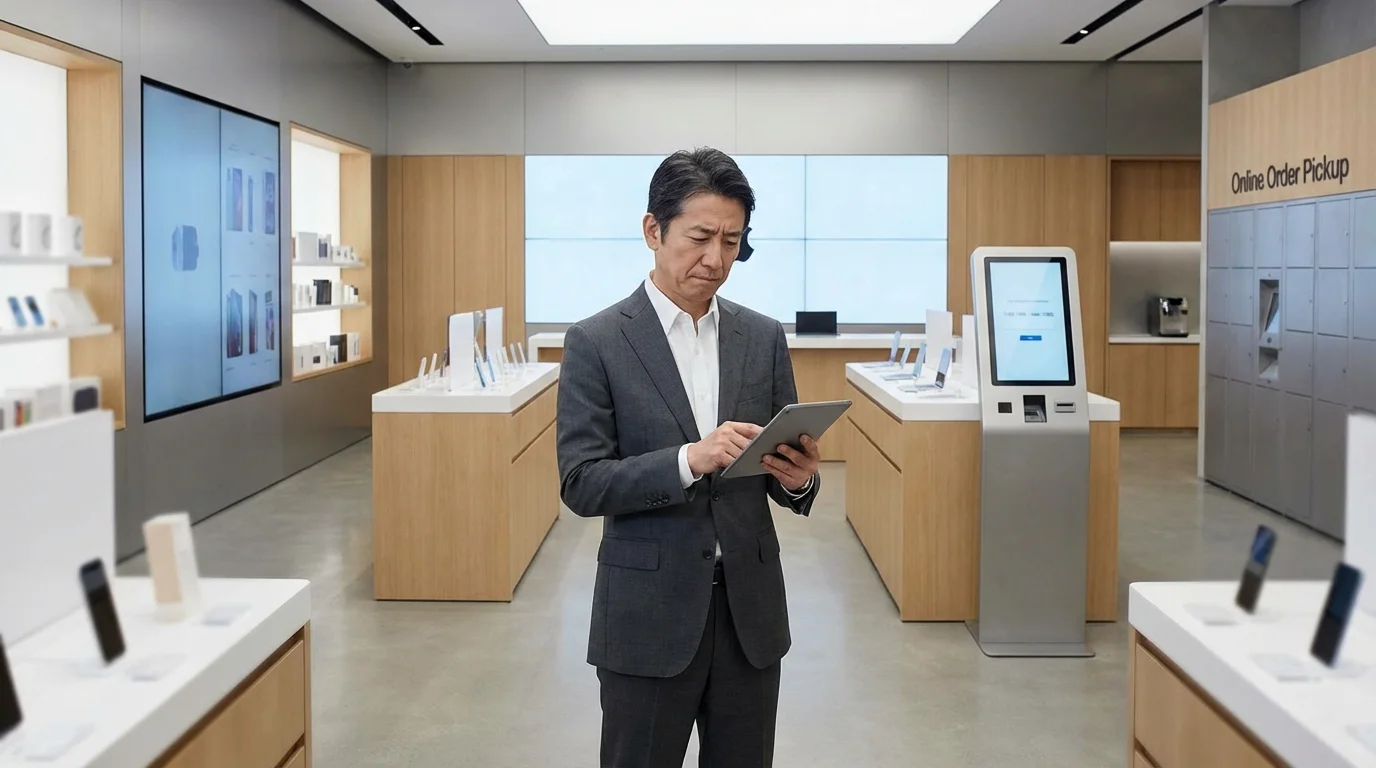
By analyzing end-to-end data showing "who was exposed to which advertisement and when they visited the store," you can optimize inventory placement and enable personalized in-store service by staff, elevating the operational excellence of multi-store management to the next level.
Frequently Asked Questions
- Q. What specific methods are there to measure in-store visits from SNS?
- A. You can use ad platform features such as "store visit measurement (GPS-linked)," SNS-exclusive QR code coupons displayed at the store, BOPIS (Buy Online Pick-up In Store) selection logs, and other methods to connect online advertising with offline conversions.
- Q. How effective is the multi-store × SNS model for small-to-medium physical retailers?
- A. Compared to simply opening an EC site, leverage your specific advantage of "physical stores in fixed commercial areas." Rather than taking on capital-intensive nationwide delivery, focus on a local delivery model while establishing a "try in-store → purchase online" flow to maximize LTV at minimal cost.
- Q. What are the key points for cross-attribution of store ↔ EC data?
- A. The basics involve establishing a common customer ID — such as through a LINE mini-app or loyalty program — and then implementing a framework that can track the sequence of "who viewed what on which SNS channel → visited the store → purchased online" as a connected data flow.
Accelerate Your Multi-Store OMO Strategy
From SNS ad optimization to store/EC data integration and attribution model building, our expert consultants support your business model. We will propose optimal solutions tailored to your business model.
Book a Free Strategy ConsultationSummary
The core of OMO strategy in multi-store management lies in positioning SNS not merely as a notification medium, but as a starting point for collecting customer behavior data. By leveraging BOPIS and attribution analysis, online and offline touchpoints can be evaluated holistically and improve them to provide stress-free-free, consistent purchasing experiences. Increasing data transparency will determine the success of next-generation store management.
Published: 2026/1/15
References
- [1] Ministry of Economy, Trade and Industry: 'E-Commerce Market Survey Report (FY2023)'
- [2] Distribution Economics Research Institute: 'Retail Transformation Through OMO'