

Site-Specific QR Material Management Techniques to Minimize Lease Loss Charges
In construction sites, managing temporary materials such as scaffolding and formwork is a critical issue directly linked to a project's net profit. However, many sites fail to track in real-time which materials are at which site and for how long, resulting in massive lease loss charges (extension fees). This article explains practical methods to minimize wasteful leasing costs by combining QR code-based material tracking with AI analysis to fully synchronize inventory between equipment centers and construction sites.
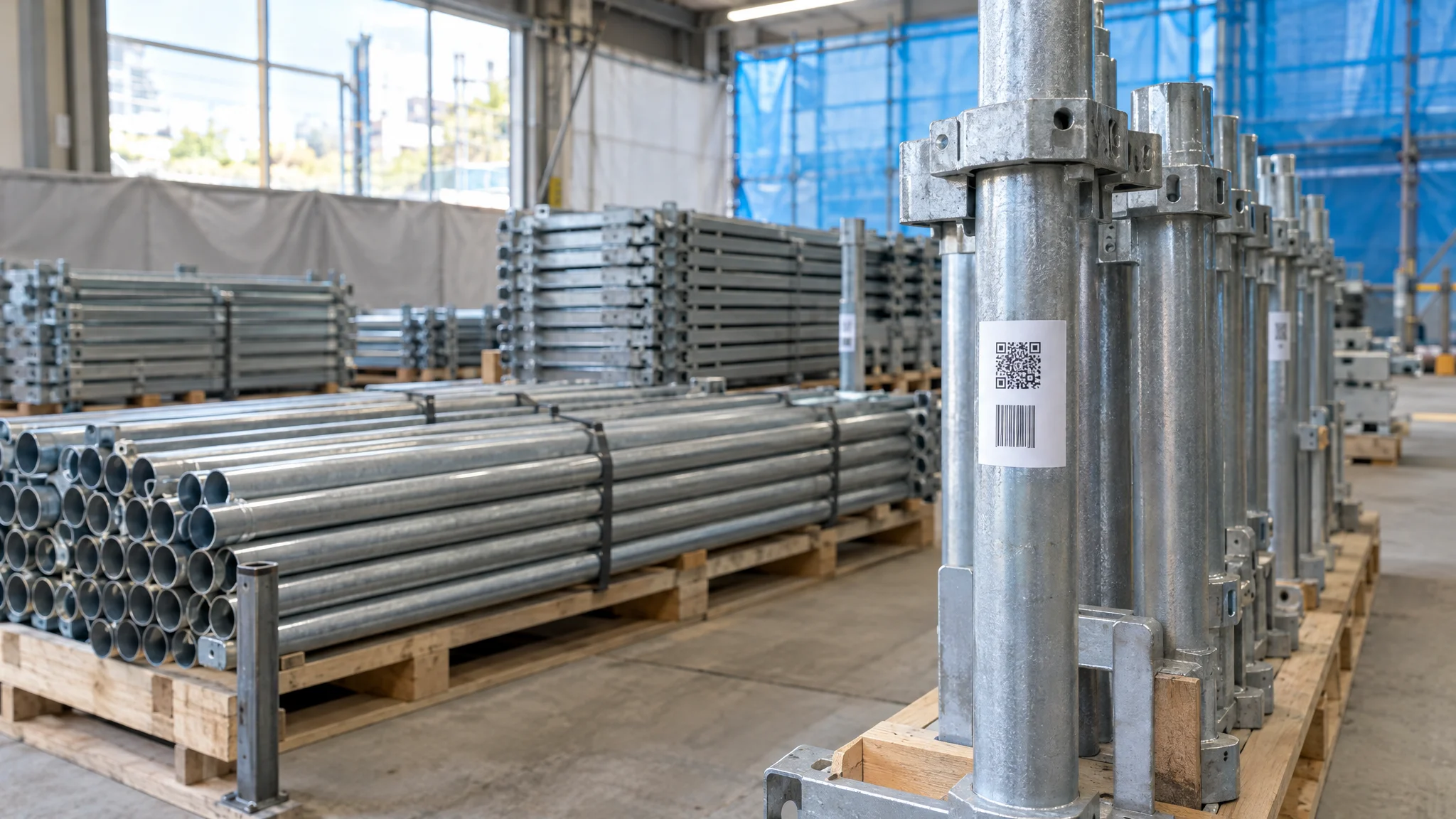
Table of Contents (Click to expand/collapse)
1. The Reality of "Lease Loss Charges" Caused by Missing Materials
At the sites we support, we often see cases where scaffolding materials are left in corners even after construction is finished, resulting in "wasteful lease fees" amounting to hundreds of thousands of yen per month. In our actual consulting projects, we sometimes find that approximately 15% to 20% of all owned and leased materials are "missing" or in a "dead stock" state, meaning they are not actively being used. This is evidence that analog management using paper slips and whiteboards has reached its limit.
A common pattern on-site is over-ordering for fear of missing returns, only for the surplus materials to be forgotten. To prevent this, strict tracking through individual identification is essential. For example, by applying inventory management expertise gained from our In-house EC Site Construction & Growth Support, it is effective to treat materials as "products" and track their status on an individual unit basis rather than just by SKU.
2. Achieving Full Inventory Visibility via QR Material Tracking
The greatest advantage of QR code-based management is that "receiving, shipping, and transfers" can all be completed with a single smartphone. By attaching durable, metal-compatible QR labels to materials and scanning them upon shipment from the equipment center and again upon arrival at the site, accountability is clearly established.

In our actual support projects, we centrally manage this scan data in the cloud, building a system that allows headquarters to oversee inventory across all sites in real-time. This enables rapid instructions for lateral transfers—such as "directly transfer surplus materials from Site A to Site B"—based on accurate data.
3. Automatic Detection of "Dead Stock" and Return Optimization via AI
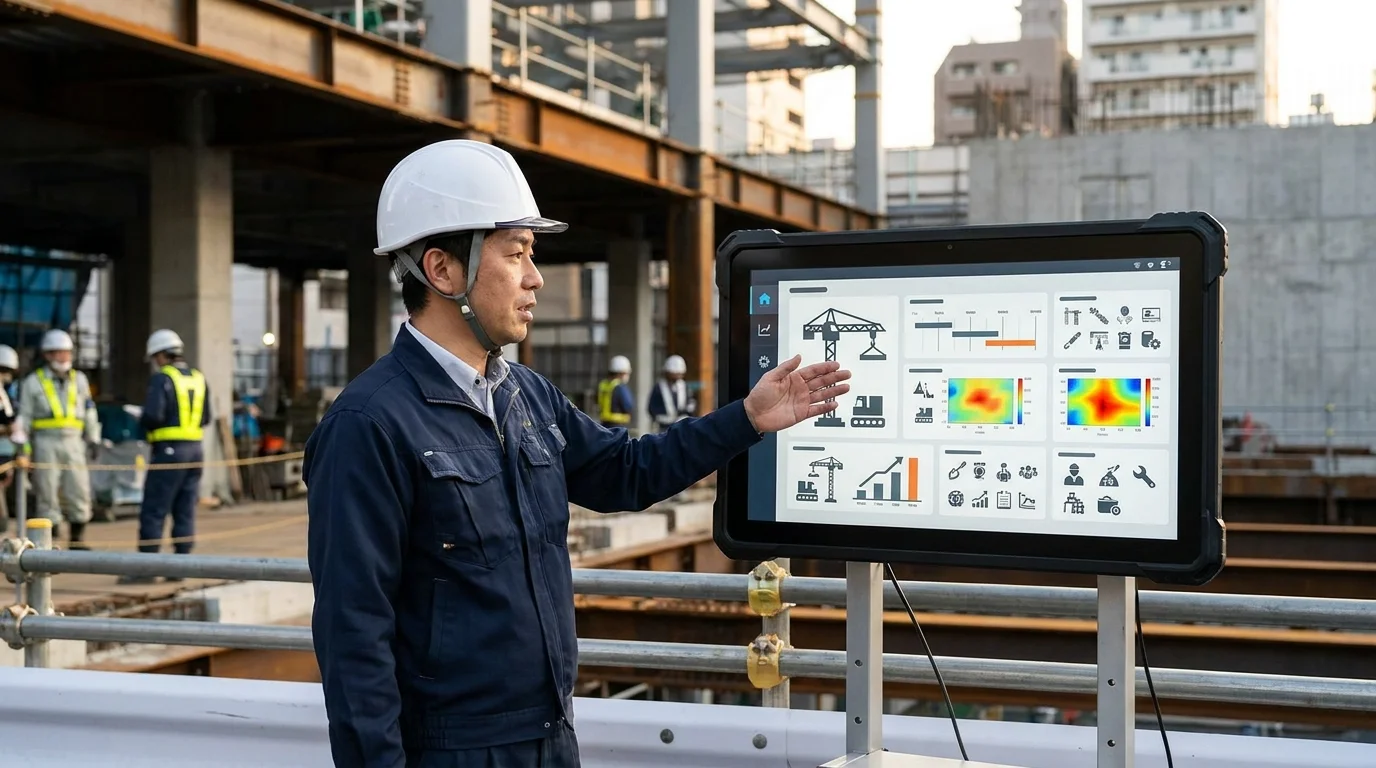
Management levels improve dramatically when AI is introduced alongside QR management. AI cross-references past construction data with current inventory data to automatically send alerts for "materials that should no longer be needed based on the schedule but have not yet been returned." This enables cost-cutting that doesn't rely on the site manager's memory.
Furthermore, by deepening data integration with leasing companies, it is possible to automate truck dispatch reservations by calculating backward from the scheduled return date. This physically eliminates the common site opportunity loss where "we want to return items, but can't arrange a truck, so the lease period gets extended."
4. Operational Keys to Successful Digital Transformation (DX) on Site
Even if a system is introduced, it is meaningless if the workers on-site do not use it. The key to success is the "thorough reduction of input burden." For example, by providing features such as anomaly reporting via voice input and automatic inspection via photography, resistance from the field is minimized. Just as optimizing User Experience (UX) determines the outcome in our In-house EC Site Construction & Growth Support, "ease of use" is the top priority for on-site DX.

Ultimately, by proving material turnover rates with data, this information can be used as powerful evidence in price negotiations with leasing companies. Digitalizing management is not just about administrative efficiency; it is a strategic cost-reduction measure.
FAQ
- Q. Won't QR codes attached to metal materials peel off in harsh outdoor environments?
- A. We use ceramic or metal tags that feature strong adhesion and excellent weather and abrasion resistance. Depending on the site conditions, we can also propose methods for fixing them with the strength of riveting or welding.
- Q. Can materials be managed if leased items and company-owned items are mixed?
- A. Yes, it is possible. By linking ownership categories (In-house, Lessor A, Lessor B) to each QR code, you can prevent return errors and accurately calculate lease loss charges.
- Q. How much cost reduction can be expected from implementation?
- A. While it depends on the scale of the site, there are many cases where lease loss charges were reduced by an average of 15–25% within three months of implementation by locating missing materials and returning them early.
Transforming Your Material Management into a Data-Driven Operation
We propose DX strategies that cut wasteful lease costs and maximize site profit margins.
Talk to us for a free strategy consultationSummary
Poor management of construction materials erodes profits in the form of invisible "lease loss charges." By combining individual identification via QR codes with AI-driven stagnation detection, you can break down information barriers between equipment centers and job sites, enabling complete inventory visibility. System design that minimizes the burden on the field is the turning point for sustainable cost reduction and DX success. Start by visualizing your company's material utilization rates.
Published: October 30, 2026 / By: Osamu Yasuda

Osamu Yasuda
Senior Managing Director & COO
Meets Consulting Inc.
Supported 100+ EC operations & logistics projects; specialist in operations and cost optimization
Related Articles


References
- [1] Survey on the Digitalization of Asset Management in the Construction Industry (2025)
- [2] Guidelines for Logistics Efficiency through Individual Identification Management Using QR Codes