

[2026 Latest] "EC Shipping Rates" and Freight Negotiation Tactics to Maximize Profit Margins
Logistics costs are one of the most significant factors determining the profitability of an e-commerce business. Particularly following the "2024 Problem," labor shortages in the logistics industry and rising fuel costs have made traditional "low-cost shipping" a thing of the past. In this article, we provide an in-depth analysis of the latest "EC shipping rates" as of 2026 and explain freight negotiation tactics from a senior consultant's perspective to help shippers engage with major carriers on equal footing.

Table of Contents (Click to expand/collapse)
1. Market Rates and Structure of EC Shipping Fees in 2026
Current EC shipping rates have shifted from simple "size x distance" tables to dynamic pricing that accounts for "pickup density" and "incidental labor costs." While public rates for standard parcel delivery (Size 60) range from approximately 900 to 1,200 yen, "special contract rates" signed by EC operators show significant variance depending on monthly shipping volume.
Of particular note is that rather than simply pursuing low prices, cooperation in reducing redeliveries and optimizing packaging sizes (downsizing) have become extremely important as negotiation leverage. Carriers have entered an era where they are "selecting" shippers with low profit margins.

2. Three Data Strategies for Successful Freight Negotiations
When negotiating with carrier representatives, emotional arguments or vague comparisons like "other companies are cheaper" are counterproductive. It is essential to logically present the following three points:
- Visualization of Shipping Density: If deliveries are concentrated in specific areas, carrier delivery efficiency increases, allowing for negotiations on area-specific rates.
- Standardization of Packaging: By demonstrating a track record of shifting to thin mail services (such as Yu-Packet or Click Post) rather than barely fitting into Size 60, you can propose total cost reductions.
- Lead Time Flexibility: By easing the requirement for "same-day shipping" and setting pickup schedules that align with the carrier's off-peak hours, you can demonstrate a cooperative stance.
3. Optimal Logistics Cost Solutions from a Unit Economics Perspective
Focusing too much on shipping rate averages can lead to lower packaging quality and delivery delays, ultimately damaging LTV (Lifetime Value). The key is logistics design based on "contribution margin per order." Strategies that treat advertising and logistics costs as a trade-off and pass on delivery speed as "added value" in pricing are also effective.
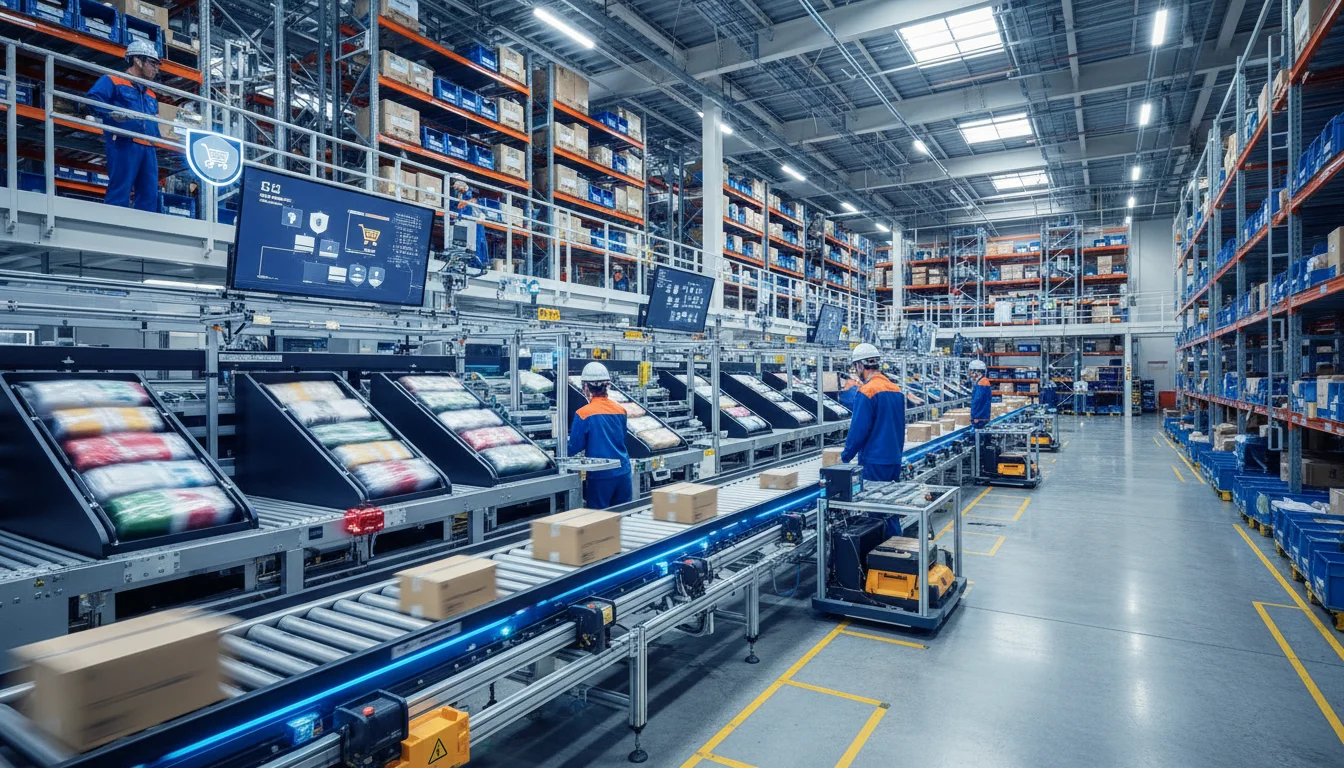
Furthermore, if you feel your in-house shipping has reached its limit, you should consider outsourcing to 3PL (Third-Party Logistics). By utilizing the "shared delivery networks" of 3PL providers, there are many cases where you can enjoy volume discounts that would be impossible for a single company to achieve alone.
FAQ
- Q. Is it possible to negotiate rates even if monthly shipping volume is low?
- A. While significant discounts on a standalone basis are difficult, there is a possibility of securing promotional rates for new contracts by agreeing to "full consignment," where you consolidate all shipping with a specific carrier.
- Q. Is the introduction of fuel surcharges common in the market?
- A. Yes. As of 2026, an increasing number of contracts set fuel-linked surcharges separately from the base rate. Requesting a "cap" during negotiations serves as an effective risk hedge.
- Q. Are there benefits to decentralizing delivery hubs?
- A. Yes. By establishing a two-hub system in Kanto and Kansai, delivery distances are shortened, lowering distance-based rates while improving CX through reduced lead times.
Take Your EC Business to the Next Level
From optimizing logistics costs to designing strategies that maximize profit margins, Meets Consulting provides hands-on support.
Talk to us for a free strategy consultationSummary
The "EC shipping rate" landscape in 2026 is not merely a phase of rising costs, but a stage requiring data-driven negotiations and a transformation of logistics structures. Meticulous analysis of shipping data and building partnerships with carriers is the only way to ensure sustainable profit margins. Start by organizing your company's shipping data and redefining your unit economics.
Published: May 7, 2026 / By: Makoto Takimiya

Related Articles
References
- [1] Ministry of Land, Infrastructure, Transport and Tourism: Trends in Parcel Delivery Volume and Response to the Logistics 2024 Problem
- [2] Japan Federation of Logistics Organizations: Logistics Cost Survey Report (2025 Edition)