

[2026 Latest] Methods to Reduce Leave of Absence Rates Through AI Predictive Detection to Prevent Mental Health Issues
While many companies champion "Health and Productivity Management," the reality is often limited to filing annual health check results and conducting stress checks as a mere formality. What we see on the front lines of consulting is a reactive approach—only taking action after someone falls ill. However, Labor DX in 2026 requires predictive detection: using AI to analyze accumulated data and capture the "faint signs" before a leave of absence occurs. This article explains a scientific approach to turnover prevention based on cloud-based health management systems.
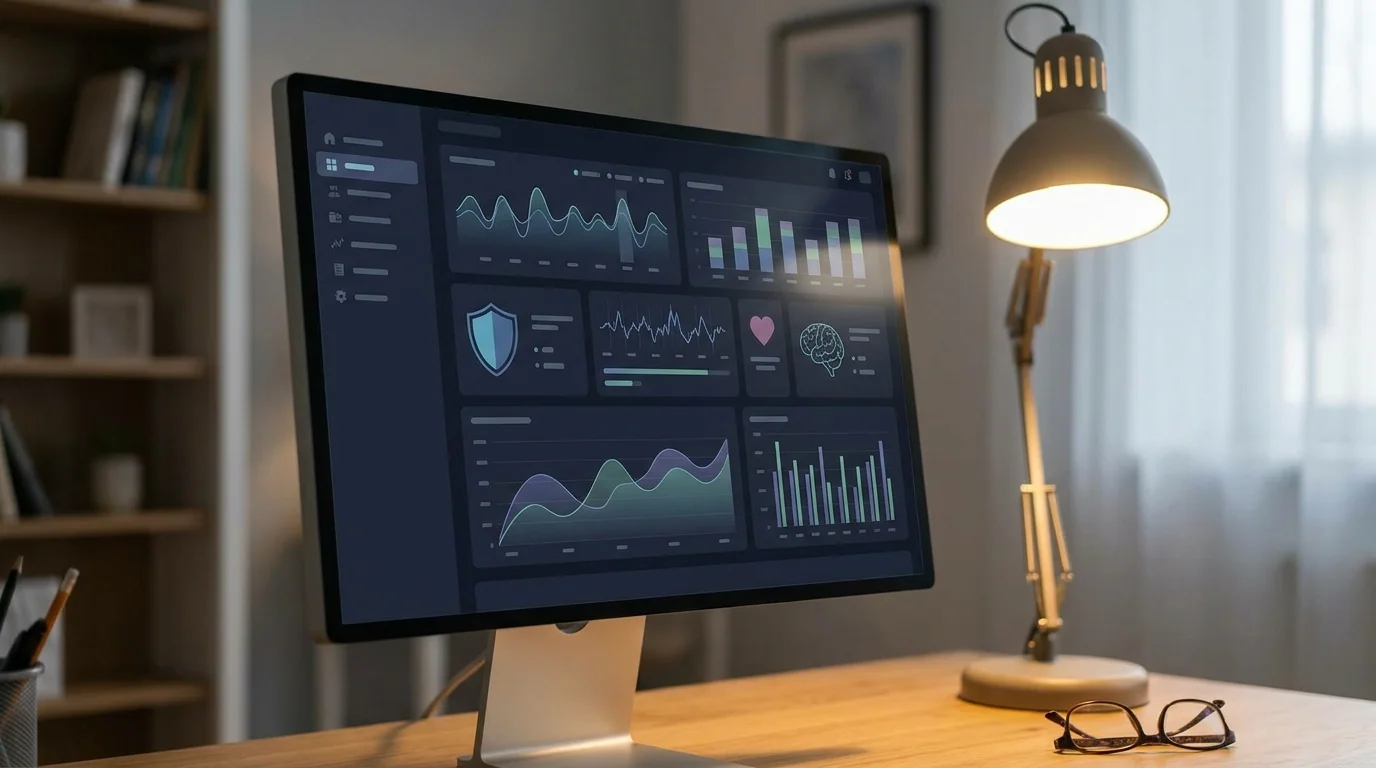
1. The Fatal Risk of "Follow-up Omissions" Caused by Complex Health Check Management
A common occurrence we see in our consulting work is when an occupational physician's instruction for a "re-examination" gets stuck on an HR representative's desk. Once the number of employees exceeds several hundred, management via paper or Excel reaches its limit. Labor relations staff find their resources exhausted just by tracking progress—who has been examined and who needs a reminder.
This "management complexity" is the primary factor leading to follow-up omissions. By implementing a cloud-based health management system, it becomes possible to automatically import health check results and send automated alerts to those who haven't been examined. This frees staff from administrative tasks, allowing them to dedicate time to interviews with high-risk individuals who truly require intervention.

2. Attendance × Stress Checks: The Power of AI Cross-Analysis
Signs of mental health issues do not appear in a single data point. Common observations in the workplace include complex changes such as "overtime hasn't increased, but tardiness and sudden absences have become noticeable" or "stress check scores are stable, but PC logon times have become irregular."
AI predictive detection models cross-analyze this attendance data with stress check results. Having learned from the patterns of past employees on leave, the AI detects subtle changes in rhythm that humans might overlook and scores the turnover risk. In cases where we have been involved, the introduction of AI has successfully identified latent high-risk groups that could not be captured by conventional methods.
3. Shifting to a "Preventative" Organization Through Labor DX
Implementing a health management system is not just about efficiency. It is a process of transforming organizational culture from "reacting after the fact" to "preventing before it happens." For example, just as data analysis is used to prevent customer churn in e-commerce development, data utilization is essential in labor management to prevent employee "churn" (turnover).
In our consulting, we recommend strengthening "line care" (care provided by managers) alongside system implementation. Based on alerts generated by AI, supervisors can reach out naturally. A simple question like, "You haven't looked yourself lately; is everything okay?" serves as the final line of defense in stopping the progression toward serious mental health issues.

FAQ
- Q. How can we ensure the protection of employee privacy?
- A. It is crucial to strictly manage viewing permissions within the system. AI analysis is performed on anonymized data, and workflows are designed so that only occupational physicians or specific labor relations staff can check details when intervention is necessary.
- Q. Is AI predictive detection effective for small-scale companies?
- A. Yes, it is effective. Precisely because the headcount is small, the damage a single leave of absence causes to the organization is significant. Cloud-based solutions can be implemented at a low cost, and the benefits of establishing an early intervention system are substantial.
- Q. Is integration with existing attendance systems possible?
- A. Many cloud-based health management systems allow for API integration or CSV imports with major attendance software. Centralizing data is the key to increasing the accuracy of predictive detection.
Taking Your Health and Productivity Management to the Next Level
Why not automate complex management and use AI to transform "defensive labor relations" into "proactive organizational development"?
Talk to us for a free strategy consultationSummary
In 2026, the success of health and productivity management hinges on "data integration" and "AI-driven predictive detection." By automating complex health checkup management in the cloud and cross-analyzing attendance with stress checks, reducing leave-of-absence rates becomes a realistic goal. Establishing a mechanism that captures "subtle signs" from the workplace is the first step toward building a sustainable organization.
Published: August 20, 2026 / By: Osamu Yasuda

Osamu Yasuda
Senior Managing Director & COO
Meets Consulting Inc.
Supported 100+ EC operations & logistics projects; specialist in operations and cost optimization
Related Articles
References
- [1] Ministry of Health, Labour and Welfare: Initiatives for Promoting Health and Productivity Management
- [2] Japanese Society of Occupational Mental Health: Guidelines for Early Detection and Early Intervention of Mental Health Disorders