

[2026 Latest] Eliminating Dependency on Individual Skills in Estimation: "Leveling Estimation Accuracy" through AI Analysis Considering Geometric Tolerances and Material Properties
Estimation in the manufacturing industry has long been considered a "sanctuary" dependent on the "intuition of veterans." What needs to be read from a drawing is more than just external dimensions. It involves judging the strictness of geometric tolerances, machining difficulty arising from material properties, and predicting equipment load. It is said that mastering the skills to instantaneously judge these factors and calculate a fair price takes over 10 years. However, as of 2026, with the shrinking labor force and the breakdown of technical succession becoming more severe, this "dependency on individual skills" has become the biggest bottleneck hindering corporate growth. In this article, we will explain the full scope of the latest "Drawing AI Automated Estimation System," which uses AI analysis to transform the tacit knowledge of skilled workers into explicit knowledge and levels estimation accuracy.
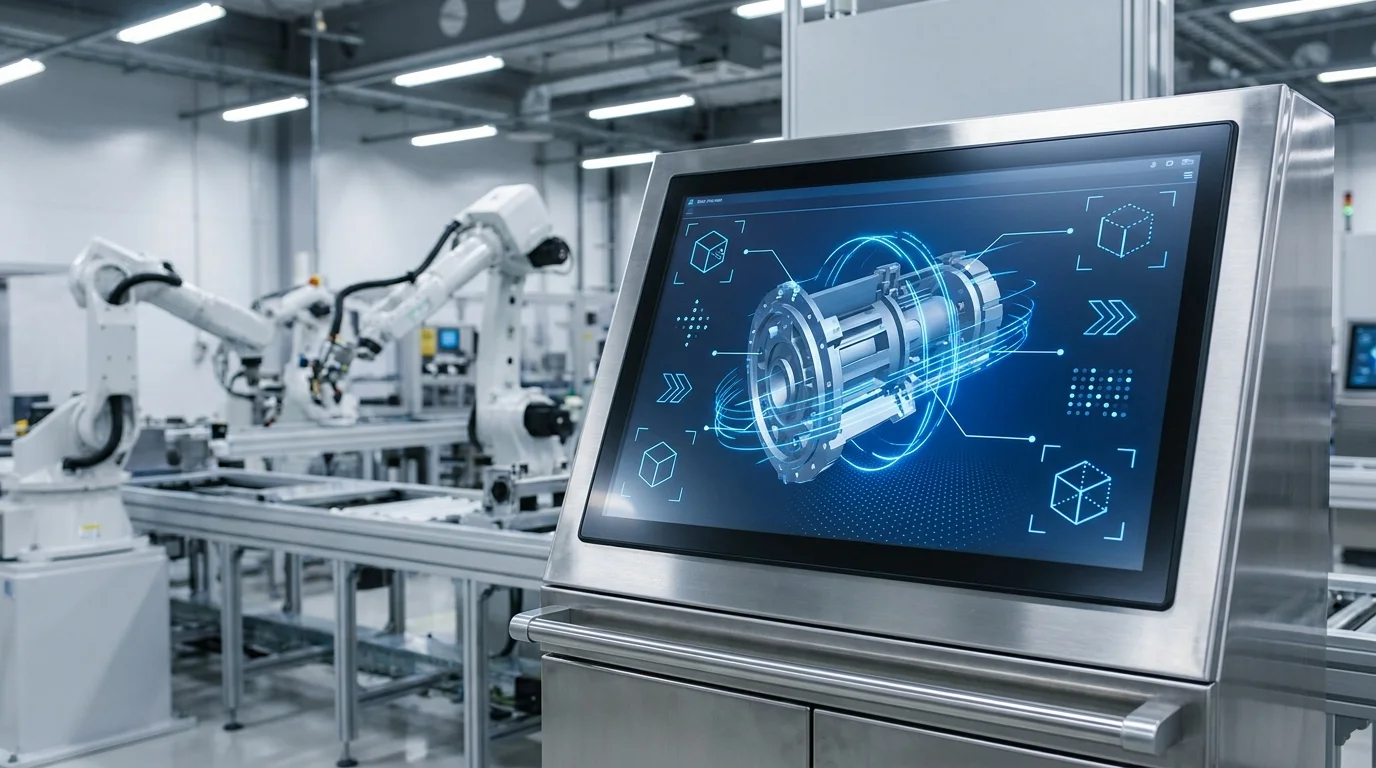
Table of Contents (Click to open/close)
- 1. Why "Estimation" Becomes Dependent on Individuals: The Barrier of Geometric Tolerances
- 2. AI-Driven Shape Feature Extraction and Integrated Analysis of Material Properties
- 3. Digital Twin of Skills: The ROI of Leveling Estimation Accuracy
- 4. Implementation Roadmap: From PoC to Core System Integration
1. Why "Estimation" Becomes Dependent on Individuals: The Barrier of Geometric Tolerances
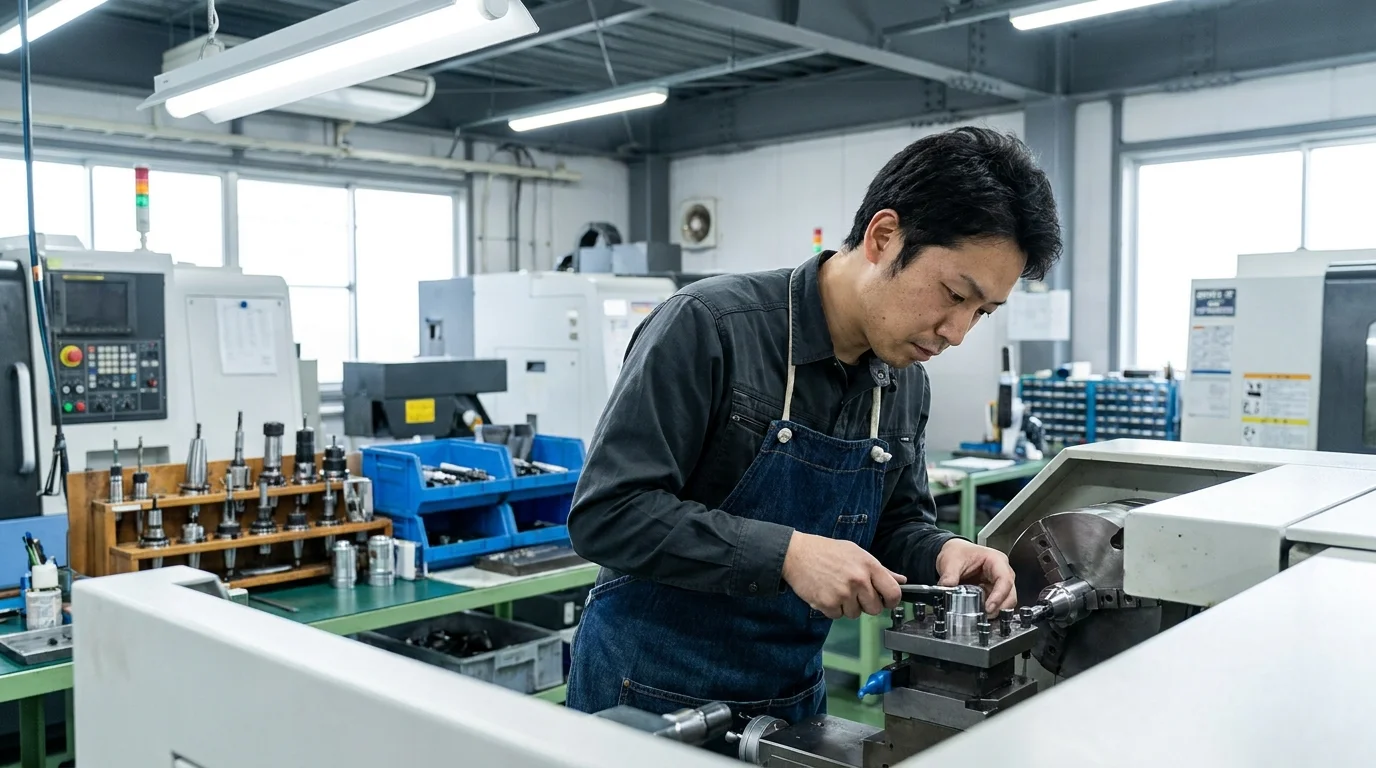
The primary reason drawing-based estimation is difficult lies in the need to simulate "machining processes not written on the drawing" within one's mind. For example, even for the same cylindrical shape, if a coaxiality of 0.01mm is specified versus 0.1mm, the jigs used, the machining paths, and the man-hours for the inspection process differ dramatically.
Conventional simple automated estimation software has insufficiently considered these "geometric tolerances," resulting in the double-handling of veterans having to correct the figures afterward. According to survey data, approximately 65% of estimation work in the manufacturing industry is concentrated on specific individuals, highlighting the reality that response speed drops by more than 40% when that person is absent.
2. AI-Driven Shape Feature Extraction and Integrated Analysis of Material Properties
The latest AI estimation systems use Deep Learning to automatically extract "shape features" from 2D drawings and 3D models. This includes not only simple geometric information such as the number of holes or pocket depth but also complex surface configurations directly linked to machining difficulty and tool interference risks.
Even more crucial is the cross-referencing with "material properties." For difficult-to-cut materials like titanium alloys versus general aluminum, the tool wear rate and feed rate differ completely even for the same shape. The AI checks against tens of thousands of past machining performance data points to calculate the "optimal man-hours" for that specific combination of material and shape. This enables cost calculations with accuracy close to that of a skilled worker, regardless of who operates the system.

3. Digital Twin of Skills: The ROI of Leveling Estimation Accuracy
Leveling estimation accuracy is more than just streamlining administrative work. It is the "visualization of a company's profit structure" itself. If an estimate is too low, it leads to loss-making orders; conversely, if it is too high, the risk of losing the bid increases. AI-driven fair pricing achieves both the optimization of the order-win rate and the securing of profit margins.
Furthermore, this system functions as a "Digital Twin of Skills." By having the AI tag and continue learning the basis of judgment (features) for why a skilled worker set a certain price, a company's intellectual assets can be preserved permanently. Secondary effects have also been reported, such as significantly reducing training costs as younger employees learn from the AI's calculation logic.
4. Implementation Roadmap: From PoC to Core System Integration
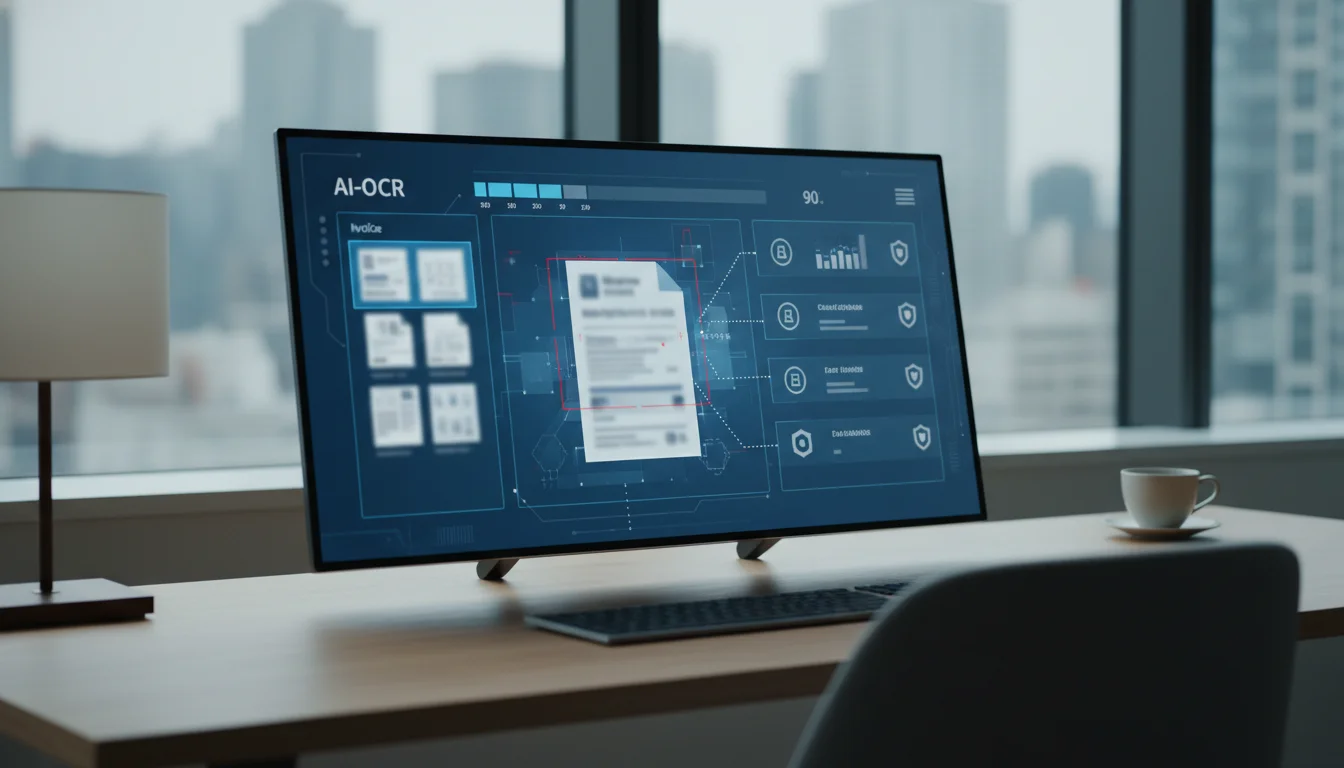
To implement an AI estimation system, one must first organize the company's past drawings and estimation data. In many companies, past data is scattered in paper or PDF formats; the first step is to convert these into structured data using OCR or AI. Next, a PoC (Proof of Concept) focused on specific part categories is conducted to verify the AI's calculation accuracy.
Ultimately, by integrating with ERP (Enterprise Resource Planning) and production management systems, the foundation for a "Smart Factory" is completed, digitizing everything from estimation to ordering, procurement, and cost management in an end-to-end manner. In 2026, manufacturing companies that survive will have completed the digitization of the "entry point" known as estimation.
FAQ
- Q. Is AI analysis possible even for old handwritten drawings?
- A. Yes, by combining the latest AI OCR technology with image correction algorithms, it is possible to extract shape information even from faded handwriting or old drawings. However, training with a certain amount of teacher data is recommended to improve accuracy.
- Q. Will the introduction of this system eliminate the jobs of veteran estimators?
- A. No. AI replaces routine calculations and searches for similar shapes, but final strategic decisions (such as strategic discounts or decisions on new customer development) are made by humans. Veterans will be able to focus on higher-value-added technical consulting work.
- Q. Can you handle specialized processing methods?
- A. It is possible to incorporate your unique processing know-how into the AI as 'custom logic.' By training the system on man-hour calculations based on your proprietary equipment and specialized tools, we can achieve a level of precision that general-purpose tools cannot match.
Taking Your Quotation Operations to the Next Level
We propose AI solutions that eliminate dependency on specific individuals and maximize profit margins.
Talk to us for a free strategy consultationSummary
Eliminating individual dependency in quotation operations is one of the most critical challenges in manufacturing DX. By introducing AI that can account for geometric tolerances and material properties, companies can speed up quotation responses, standardize accuracy, and digitize valuable expert skills. To resolve concerns about technical succession and build a resilient, data-driven management foundation, now is the time to consider utilizing 'Drawing AI.'
Published: June 4, 2026 / By: Osamu Yasuda

Related Articles


References
- [1] Manufacturing DX White Paper 2026: Digital Succession of Expert Skills and AI Utilization
- [2] Latest Trends in Automated Quotation Algorithms Considering Geometric Tolerances