

【2026 Latest】Physically Eliminate Transcription Errors with AI Label Creation Linked to Specification Sheets
In the food manufacturing and sales industry, allergy labeling errors are more than just "typos." They are fatal risks directly linked to consumer lives that can destroy corporate trust overnight. Traditionally, the process of creating bulk labels from raw material specification sheets has relied on visual checks and manual entry by experienced staff. However, in our consulting work, we constantly hear cries for help such as, "Even with double-checking, we can't prevent transcription errors caused by assumptions." In this article, we will explain from a practitioner's perspective the latest solutions that use AI to directly link specification sheet data with labels, physically reducing human error to zero.
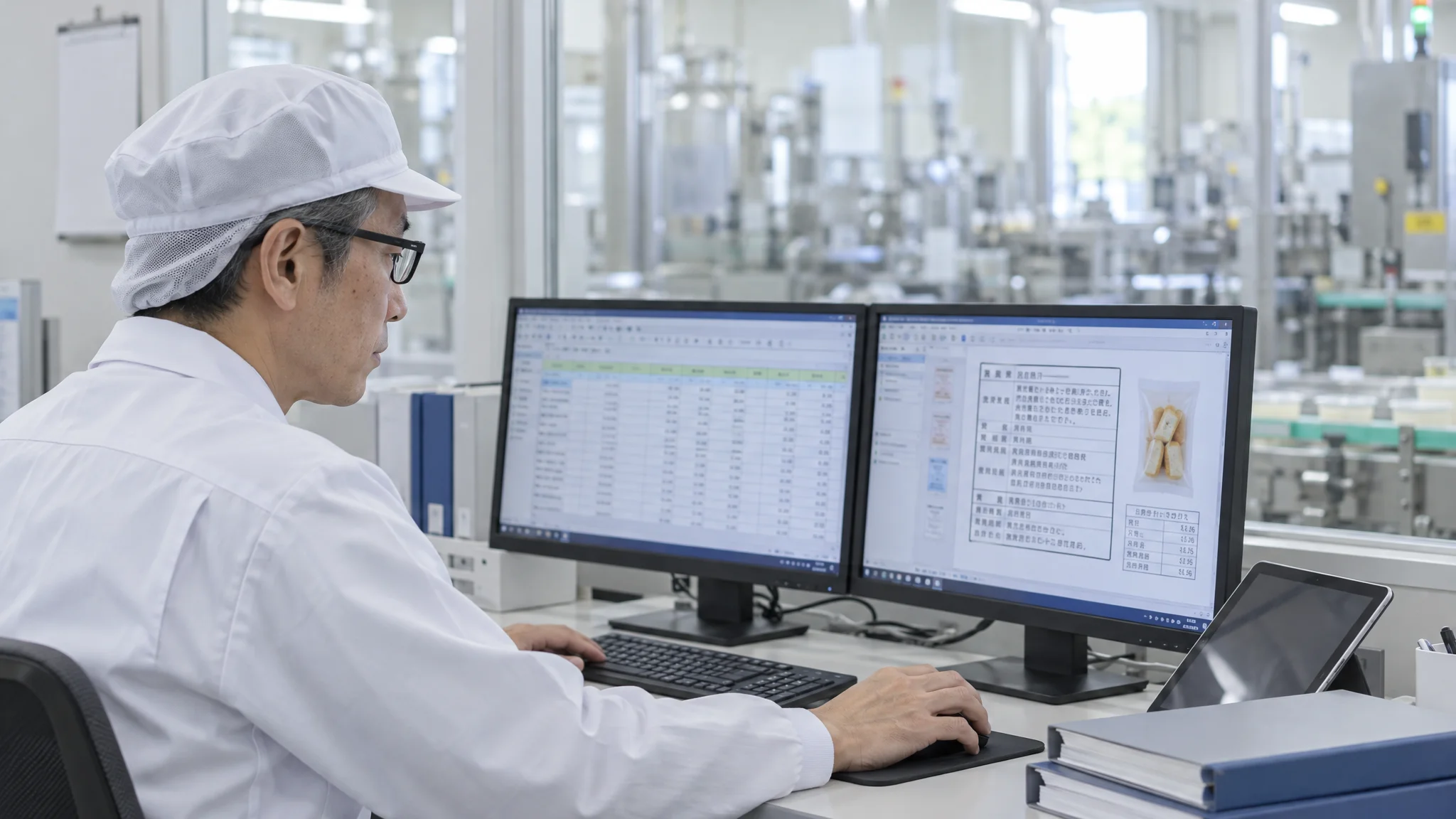
Why "Manual Entry" Has Reached Its Limit: The Structure of Recall Risks
In our actual support projects, many food businesses are terrified of "missing updates when raw materials change." The task involves deciphering various formats of specification sheets from multiple suppliers, extracting allergen information, and reordering them by weight. As long as this is done manually, errors are statistically inevitable.
Specifically, a common case in our D2C/EC construction and growth support is when quality control cannot keep up with the speed of product lineup expansion. As the frequency of new product launches increases, the analog process of "bulk label creation" behind the scenes becomes a bottleneck and a breeding ground for risk.
Statistically speaking, manual entry errors cannot be completely eliminated even with multiple double-checks. In fact, the psychology of "someone else will check it" can even lead to a further decrease in attention. To avoid this risk, it is essential to shift to a system where the system "references" data rather than humans "entering" it.
How AI Automated Label Creation Eliminates Transcription Errors
The latest AI automated label creation systems do more than just read PDF or Excel specification sheets via OCR; they understand the context. From direct expressions like "contains milk ingredients" to judging carryovers and processing aids, they perform advanced analysis based on past training data.

Specifically, the AI matches the raw material database with the specification sheets and automatically reorders the display sequence according to changes in the blending ratio. This makes "sorting errors," which used to occur with every minor adjustment, physically impossible. Furthermore, in the process of D2C/EC construction and growth support, reflecting this automatically generated label data directly onto product pages prevents discrepancies between the web display and the actual label.
Changes in Cost Structure and Brand Protection Through Implementation
While the greatest benefit of AI implementation is "peace of mind," it is also characterized by extremely high economic rationality. If a voluntary recall occurs even once due to an allergy labeling error, the damages can range from millions of yen to hundreds of millions in large-scale cases. The brand image built through advertising investments can collapse in an instant.
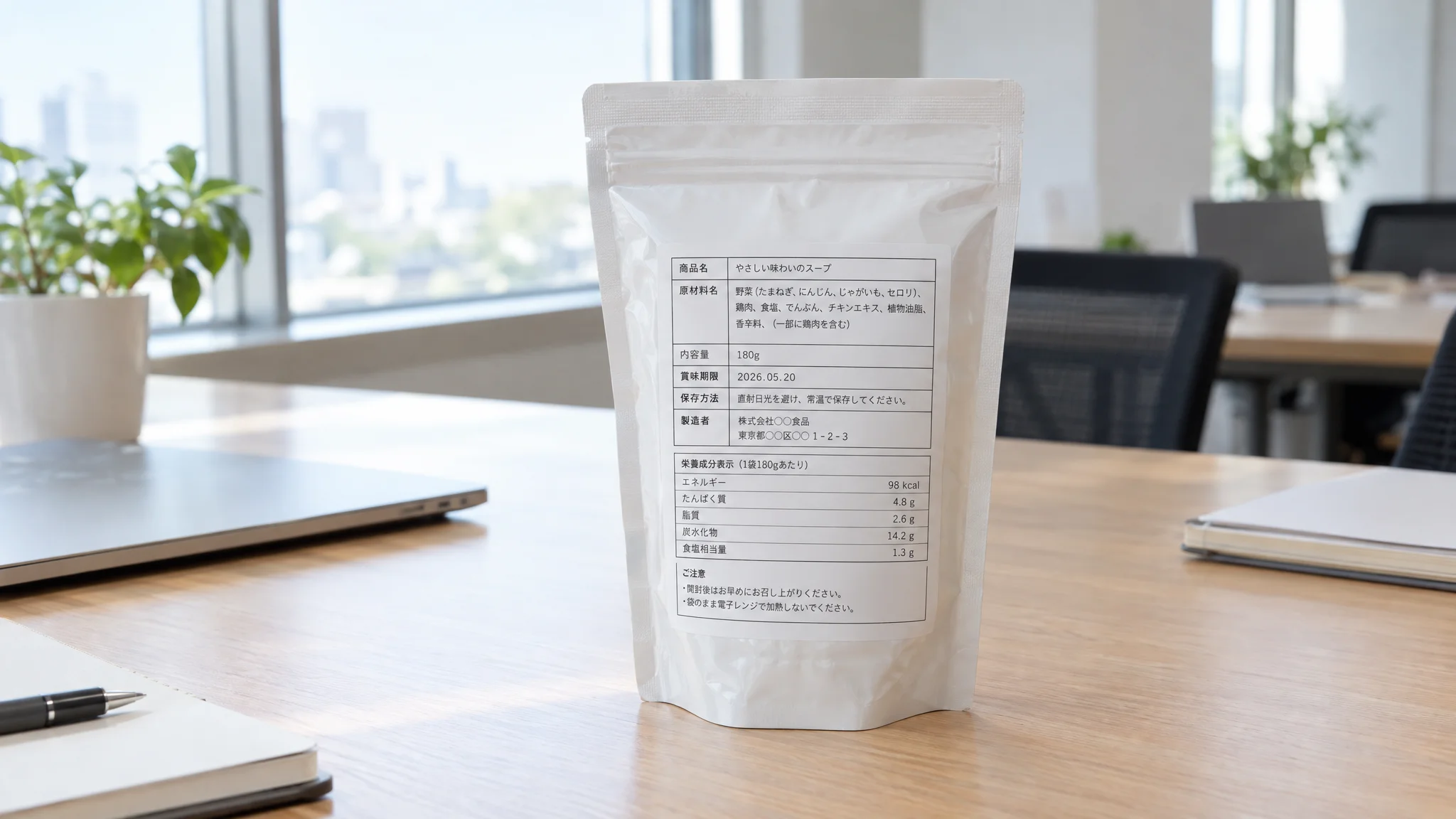
A common preconception in the field is that "AI is expensive," but when considering the hidden liability of recall risk, the ROI is clear. By shifting specialized personnel who were preoccupied with transcription work to higher-value-added product development and marketing measures, the productivity of the entire organization improves. In 2026, the success of food DX depends on how well such "life-threatening risks" can be controlled through technology.
FAQ
- Q. The specification sheet formats vary by supplier; can you handle this?
- A. Yes, it is possible. Latest AI OCR does not depend on layout; it semantically understands and extracts item names (raw material names, allergens, etc.), allowing for high-accuracy digitization even from non-standard formats.
- Q. Is it safe to leave the final judgment to AI?
- A. AI is strictly responsible for automating "transcription and organization." We recommend a "Human-in-the-loop" system where humans perform the final approval. By creating a flow where experts approve the draft created by AI, safety is ensured while reducing the verification workload by 90%.
- Q. Can it handle changes in labeling rules due to legal amendments?
- A. Yes. With a cloud-based system, the AI's judgment logic and output format can be updated in accordance with legal amendments, allowing for label creation based on the latest compliance standards at all times.
Taking your EC business to the next stage
From reducing allergy labeling risks to streamlining EC operations, our expert consultants will propose the optimal DX strategy tailored to your company's specific challenges.
Talk to us for a free strategy consultationPopular Topics
Summary
Mislabeling allergens is one of the most significant risks that can jeopardize the management of a food business. By integrating raw material specification sheets with AI, it is now possible to physically eliminate the "entry point for errors" inherent in manual data entry. Moving beyond simple efficiency, the time has come to consider implementing automated AI label creation as a strategic investment to protect brand trust and enable specialized talent to focus on creative work.
Published: October 16, 2026 / By: Osamu Yasuda

Osamu Yasuda
Senior Managing Director & COO
Meets Consulting Inc.
Supported 100+ EC operations & logistics projects; specialist in operations and cost optimization



References
- [1] Consumer Affairs Agency, "Regarding the Voluntary Recall Reporting System Based on the Food Labeling Act"
- [2] Ministry of Health, Labour and Welfare "Institutionalization of Hygiene Management in Accordance with HACCP for Food"