[2024 Latest] Dynamic Updates and Adoption of Sales Playbooks Using LLMs
Many B2B companies face the challenges of "dependence on top sales performers" and "polarization of performance." Even when "Sales Playbooks (behavioral guidelines)" are created to solve these issues, they often become obsolete on the ground, with staff feeling the content is outdated or doesn't apply to their specific deals. However, recent sales enablement has undergone a dramatic evolution through the implementation of Large Language Models (LLMs). LLMs can extract "factors currently leading to results" in real-time from activity histories stored in CRMs to dynamically update playbooks. Furthermore, through Retrieval-Augmented Generation (RAG), it is now possible to immediately provide optimal advice tailored to each salesperson's specific negotiation status. This article explores the core of organizational DX that transforms everyone into a high performer.

1. Shifting from Static Manuals to "Dynamic Playbooks"
A common occurrence in consulting projects is seeing sales playbooks, created at great expense, go unread by everyone just six months later. In today's volatile market environment with intense competitor movement, "static manuals" on paper or PDF begin to become obsolete the moment they are created.
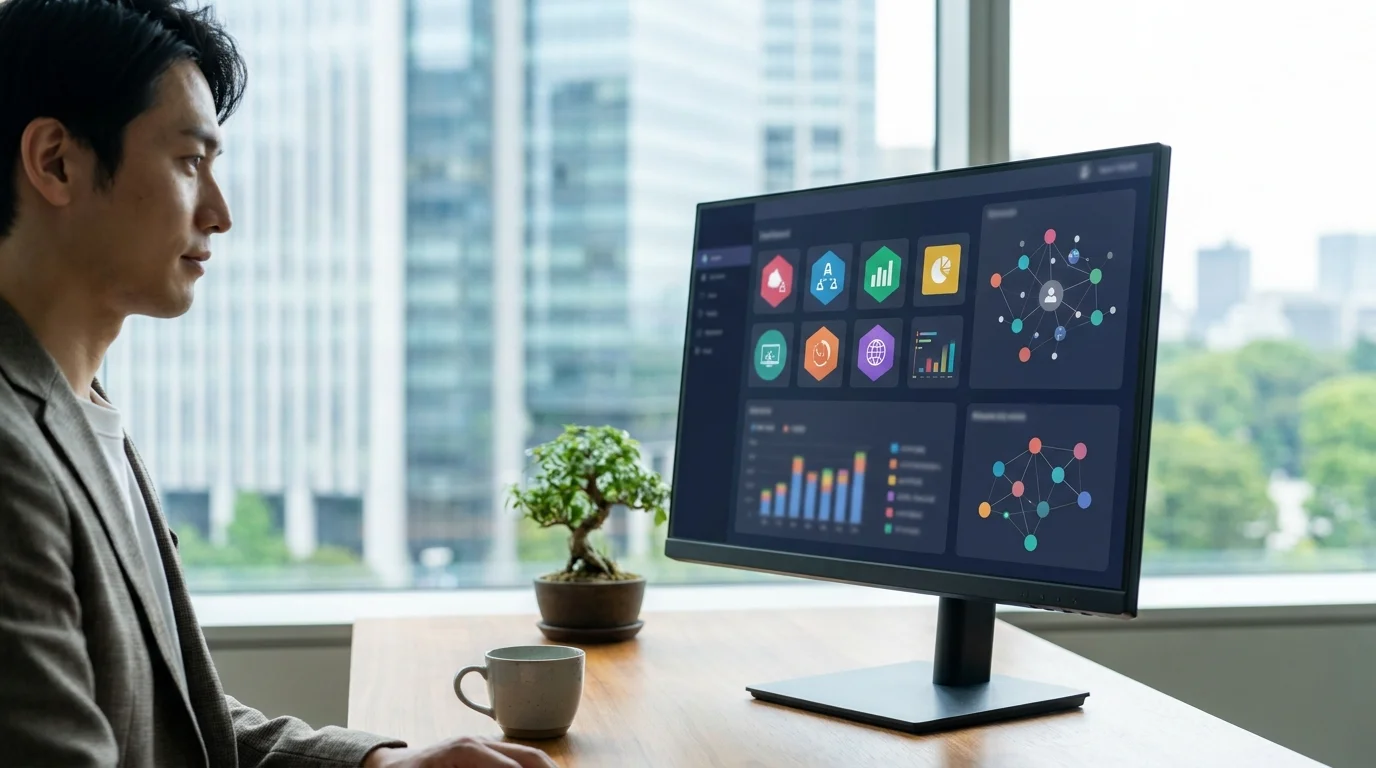
In contrast, data-driven sales enablement treats the playbook as a "living organism." LLMs analyze negotiation logs recorded in SFA/CRM, email exchanges, and transcripts of online meetings to identify "common keywords in successful deals" and "careless remarks that led to lost deals." In our actual support projects, we build systems where these analysis results are reflected in the playbook weekly, allowing all sales staff to share tactics that are always aligned with the "now" of the market.
Particularly in the field of In-house EC Construction and Growth Support, "dynamic updates" are extremely effective for sales representatives to make optimal proposals tailored to the customer's phase. As data captures changes in the customer's level of consideration and the LLM rewrites the playbook, organizational proposals that do not rely on the intuition of top sales performers become possible.
2. Automated Extraction of Success Patterns via LLMs and Field Adoption via RAG
Simply updating the playbook is not enough. The key is to deliver that vast amount of knowledge to the field "when needed and in the amount needed." This is where Retrieval-Augmented Generation (RAG) technology demonstrates its power.
A common challenge on the ground is that sales representatives spend too much time "searching for similar past cases" during meeting preparation. An AI sales assistant incorporating RAG can present the best killer phrases and success stories from the latest playbook in seconds based on the deal summary entered by the representative.

In our actual support projects, the introduction of this AI assistant has resulted in a 40% average reduction in meeting preparation time for junior sales staff, while raising the quality of proposals to 80% of the level of top performers. In the practice of sales enablement, success or failure is determined not just by installing tools, but by the gritty process of continuously tuning LLM prompts until field sales staff truly feel that "this AI's advice is useful."
3. Standardizing and Raising the Bar for Sales Performance through Organizational DX
The ultimate goal of sales enablement using LLMs is to break away from a structure dependent on a few star players and raise the "median" of the entire organization.
In organizations where performance is polarized, bottom-tier sales staff often know "what to do" but stumble on "how to communicate it (the How)." Dynamic playbooks and real-time AI feedback serve as powerful weapons to bridge this "How" gap.

There is no end to failures where DX is viewed merely as tool implementation, neglecting behavioral change on the ground. Through consulting such as In-house EC Construction and Growth Support, we emphasize the cycle until data turns into "buy-in" for the field. True organizational DX is realized only when the "success models" presented by LLMs are operated alongside workshops that allow each salesperson to translate them into their own words.
FAQ
- Q. Won't dynamic playbook updates cause confusion in the field?
- A. To prevent confusion, changes are presented along with data-driven evidence (such as increases in closing rates) explaining "why this tactic is effective." Additionally, it is smoother to start with AI assisting in minor field adjustments rather than making major changes.
- Q. Can LLM analysis accuracy handle specific industry terminology?
- A. Yes, by utilizing RAG (Retrieval-Augmented Generation), we can have the LLM learn your company's unique industry terminology, product knowledge, and past internal documents to achieve high-precision analysis and responses.
- Q. How long does implementation typically take?
- A. While it depends on the state of your existing CRM data, it generally takes about one month to start a PoC (Proof of Concept) and three to six months for full-scale adoption in the field.
Evolving Your Sales Organization into a Data-Driven One
We propose a DX strategy that transforms the tacit knowledge of top sales performers into organizational assets, turning every team member into a high performer.
Talk to us for a free strategy consultationSummary
In modern sales strategy, the dynamic updating of playbooks using LLMs has shifted from a 'nice-to-have' to 'essential infrastructure.' By automatically extracting success patterns through CRM data analysis and providing immediate feedback to the field via RAG, organizations can move away from dependency on top performers and raise the closing rates of the entire team. The key is not just implementing tools, but designing a system that sales representatives can 'master' in their daily operations.
Published: September 17, 2024 / By: Osamu Yasuda
References
- [1] Sales Enablement Trends 2024: The Rise of AI-Driven Playbooks
- [2] Practical Guide to Knowledge Management Using LLMs (Meets Consulting Internal Document)
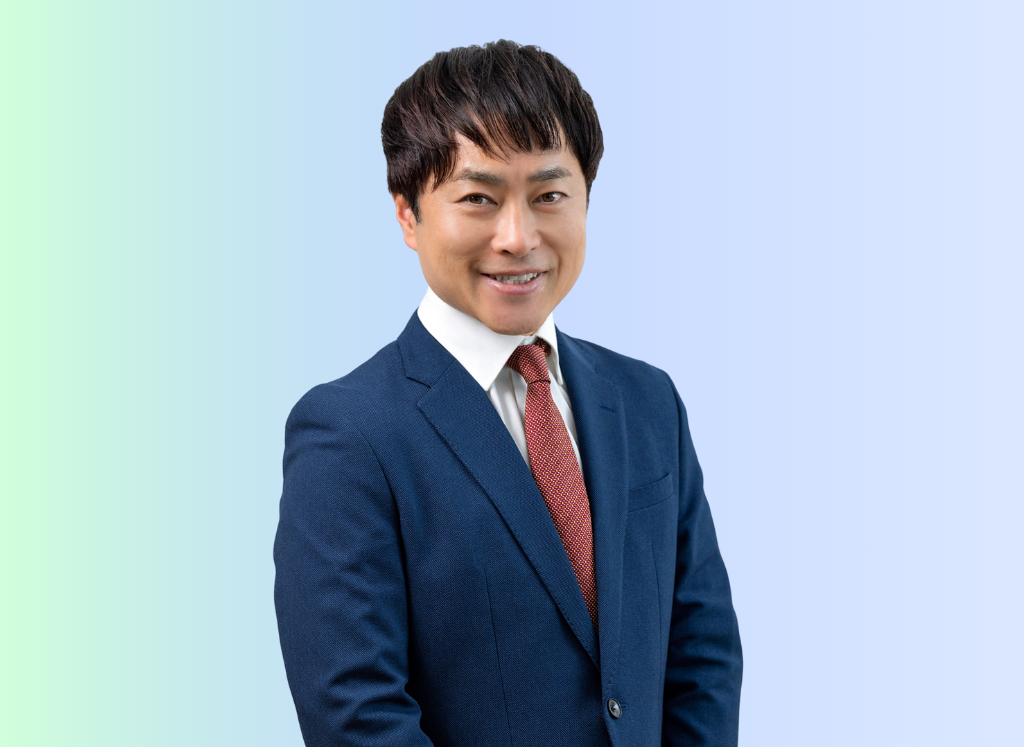
Osamu Yasuda
Senior Managing Director & COO
Meets Consulting Inc.
Supported 100+ EC operations & logistics projects; specialist in operations and cost optimization