

Must-Know for Beginners: What Is EC Payment Method Comparison? Selection Criteria to Maximize Sales and MDR Optimization
Payment methods directly impact conversion rates and profit margins. Understanding the landscape of payment options, their costs (MDR), and how to optimize selection is essential for maximizing EC sales.
Table of Contents (Click to Expand)
1. EC Payment Methods: Segment-Specific Characteristics
Payment methods in the Japanese EC market heavily depend on the customer's demographic attributes. To build an optimal portfolio, it is necessary to deeply understand the characteristics of each method.
- Credit Card Payment: The undisputed primary payment method. For aiming at repeat sales, the convenience of the "card information registration feature" is key.
- Smartphone Payment (PayPay, d-barai, etc.): The fastest-growing category amidst the mobile shift. Login purchases via ID integration push up CVR.
- Buy Now, Pay Later (BNPL): Essential for securing conversions among those without credit cards or younger demographics.
- ID Payment (Amazon Pay, Apple Pay): The trump card against cart abandonment, reducing address entry friction to zero.
Prioritization based on personas is required, such as prioritizing BNPL and smartphone payments if the target is "Gen Z," or cash on delivery and bank transfers if it is "Seniors."
2. Payment UI/UX and Cart Abandonment Rate
Approximately 15–20% of cart abandonment on EC sites is due to dissatisfaction with the payment process. Complex form entry or the lack of desired payment methods nullifies marketing investments.
Particularly when introducing 3D Secure 2.0, the balance between security and user experience is important. Utilizing frictionless authentication (risk-based authentication) to construct a smooth flow that doesn't demand input from genuine users is recommended.
3. MDR (Merchant Discount Rate) and Cash Flow Optimization
The Merchant Discount Rate (MDR) accounts for a large proportion of variable costs. For products with low gross margins, a 0.1% fee difference significantly affects final operating profit.
Additionally, the remittance cycle (weekly, twice a month, monthly, etc.) directly connects to cash flow management. For EC businesses in the growth phase with substantial upfront ad investments, strategies prioritizing shorter remittance cycles to increase capital turnover are effective.
4. Payment Share Data Analysis and Trends
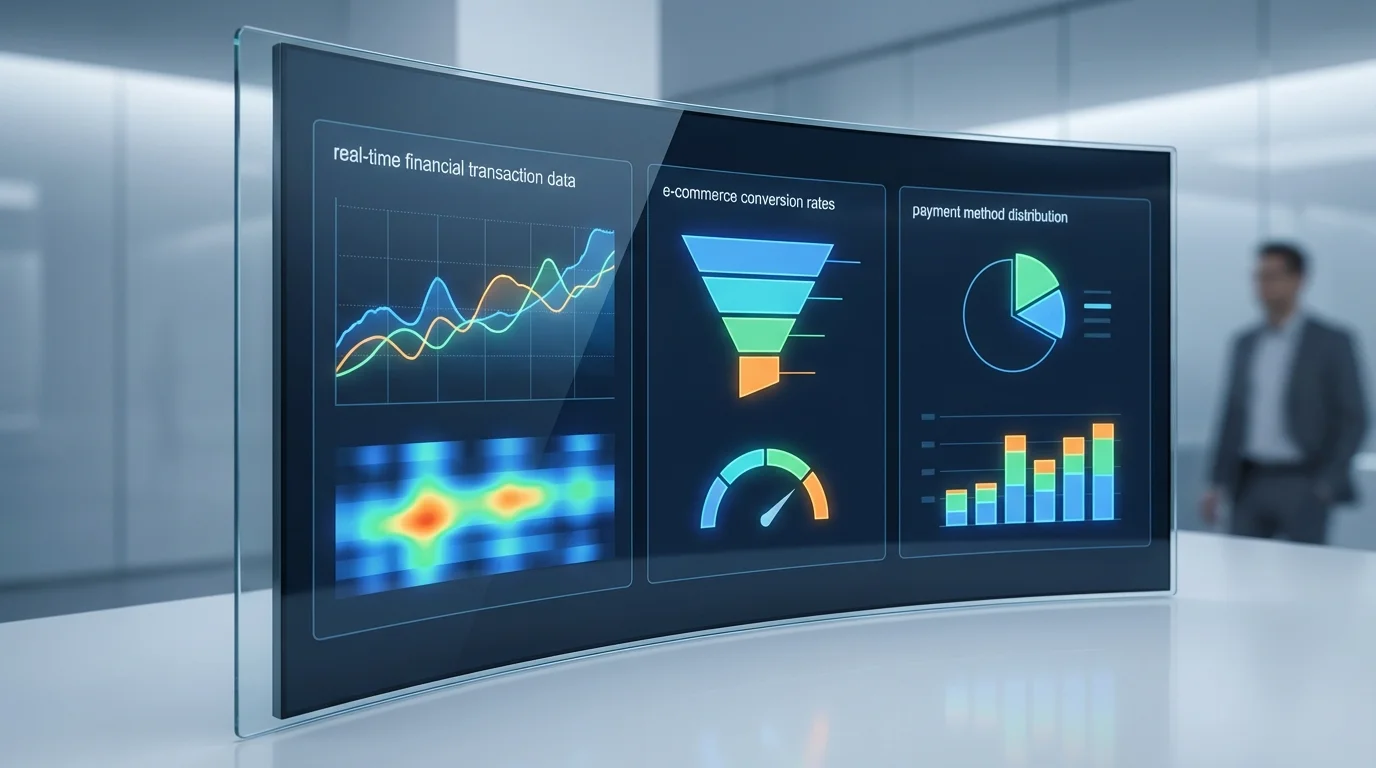
The chart below shows the usage composition ratio of payment methods in domestic B2C EC. Credit cards still hold the largest share, but the combined share of QR code payments and ID payments is rapidly expanding.

5. MECE Evaluation Criteria for PSP Selection
When selecting a Payment Service Provider (PSP), it is necessary to compare and evaluate in a MECE manner across the following four evaluation axes.
- Cost Structure: Total cost including initial fees, monthly fixed fees, payment processing fees (MDR), and transaction fees.
- Implementation Flexibility: API integration, link-based, or native integration with platforms like Shopify.
- Security: Full PCI DSS compliance and accuracy of fraud detection systems.
- Operations & Maintenance: Admin panel usability, multi-store unified management, and level of automated payment reconciliation.
- Q. From what scale can MDR (processing fees) be individually negotiated?
- A. Generally, negotiation becomes more feasible once annual payment processing volume exceeds 100 million yen. However, if you are using platform integrations (Shopify Payments, etc.), fees are often fixed by terms of service.
- Q. What payment methods should be introduced for cross-border EC?
- A. It depends on the target country, but PayPal is essential globally. For China, Alipay/WeChat Pay; for Europe, Klarna (BNPL) — packaging local primary payments via a PSP is the efficient approach.
- Q. What should I watch out for when switching payment processors?
- A. The most important factor is card data migration. If you have existing subscription customers, verify that token information can be safely transferred in a PCI DSS-compliant environment.
Optimize Your EC Business from Finance and Payments
From reducing payment processing fee costs to building a payment UI/UX that dramatically reduces cart abandonment. Our senior consultants provide hands-on support.
Get Free Strategy ConsultationSummary
'Payment' in EC is not merely a means of collecting funds; it is a management indicator itself that influences CVR and profit margins. By building a portfolio optimal for your company through comparing EC payment methods and optimizing the MDR, you enable a highly profitable EC site operation that outpaces competitors. Start by using data to identify your current dropout points.
Published: 2026-03-04 / Author: Yuta Ito

Related Articles


References
- [1] EC Payment Market: Method Share and Trend Analysis
- [2] PSP Selection Guide: Merchant Discount Rate Comparison