

What Is D2C? An Easy-to-Understand Explanation: Strategic Definition to Maximize Your Brand's Unique Value
The term "D2C (Direct to Consumer)" is heard more frequently, but aren't you misunderstanding it as merely a "direct sales model"? True D2C is not solely about eliminating intermediaries to reduce costs. It is an integrated marketing strategy where brands directly engage with stakeholders, building deep engagement through unique narratives and UX (User Experience). In this article, we sharply define D2C from a professional perspective, explaining its essence, benefits, and how to combine it with platform strategy.

Table of Contents (Click to Expand)
1. The Essential Definition of D2C: The Decisive Difference from B2C
D2C (Direct to Consumer) refers to a business model where manufacturers provide value directly to consumers through their own channels, without relying on distribution networks or retail capital. The greatest difference from traditional B2C (Business to Consumer) lies in "complete ownership of 1st Party Data" and "complete governance of brand world-view".
In retail-mediated models, purchase data belongs to the distribution side, but in D2C, you can directly accumulate user behavioral logs and qualitative feedback. This enables rapid PDCA cycles and personalized CRM (Customer Relationship Management).
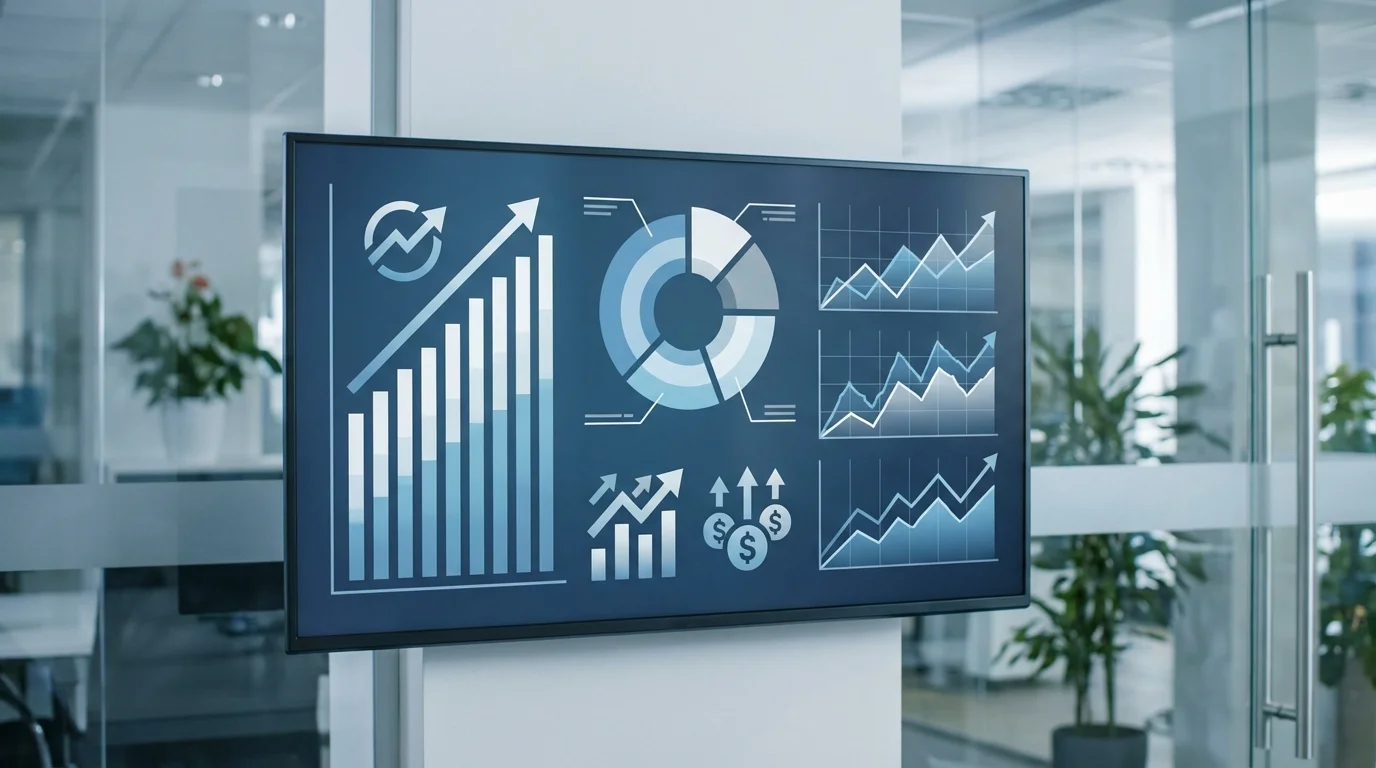
Chart: Comparison of profit margins and data control advantages through distribution structure transformation
2. Why D2C Now? Market Background and 3 Core Benefits
The maturation of social media has triggered a paradigm shift enabling small teams to approach specific communities at low cost, driving the rise of D2C.
- Securing High Profitability: By eliminating intermediary margins, surplus resources can be reinvested in product R&D (Research & Development) and UX improvement.
- Maximizing LTV (Customer Lifetime Value): Through direct two-way communication, you can cultivate not just buyers but "evangelists" (passionate advocates).
- Pure Delivery of USP (Unique Selling Proposition): The founder's vision can be delivered directly to the market without advertising filters.
3. "Narrative Design" Common to Successful Products
In D2C, what matters more than functional value is the narrative of "Why does this exist?" Modern consumers invest not in features, but in resonance with the brand's identity and philosophy.
To foster this empathy, product development starting from deep N1 (specific individual) insights is essential. Rather than a mass-market, lowest-common-denominator approach, the strong intention to optimize a specific individual's life ultimately forms a robust community.
4. D2C and Platform/Mall Hybrid Strategy
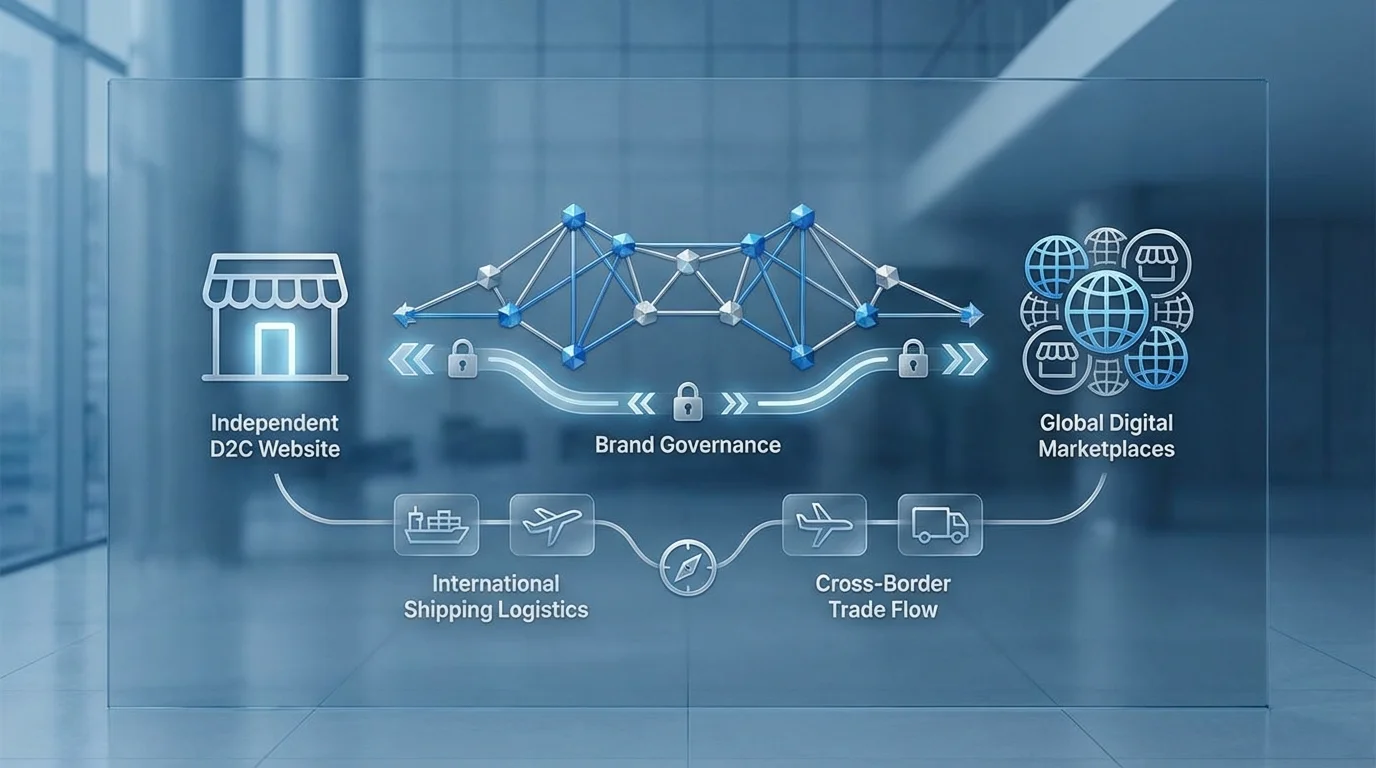
While vertical launch through your own EC site is ideal, in today's world where traffic acquisition costs (CPA) continue to rise, "hybrid orchestration" with major marketplaces like Amazon and Rakuten has become the standard approach.
Leverage the traffic-drawing power of marketplaces for new contact point creation (upper funnel), then guide customers to your own ecosystem through package inserts and after-service. This seamless channel design is the key to achieving sustainable scalability.

Frequently Asked Questions
- Q. What is the initial system investment required for starting D2C?
- A. Today, by leveraging headless commerce-compatible SaaS like Shopify, you can build a highly scalable site while keeping initial costs low. The investment focus should be on concept definition and CRM design rather than systems.
- Q. What is the biggest barrier when transitioning from an existing wholesale model?
- A. Channel conflict with existing distribution partners. Strategic differentiation is required, such as building D2C-exclusive product lines or implementing OMO strategies that integrate online and offline while leveraging existing assets.
Take Your D2C Business to the Next Phase
Would you like to define your unique identity and build a D2C ecosystem that maximizes LTV together?
Consult a Professional About Your StrategySummary
D2C is not simply about moving to EC—it is a management decision to maximize "unique added value" by co-creating directly with customers. The foundation for sustainable growth lies in reinvesting resources gained from eliminating intermediary costs into customer satisfaction, and making intelligent data-driven decisions. Let's start by reframing our strategy from the fundamental question: "For whom, and what are we changing?"
Published: 2026-03-04 / Author: RISA WATANABE

Related Articles

References
- [1] Direct to Consumer Strategy Guide - Harvard Business Review
- [2] 2026 E-commerce Trends and D2C Market Analysis