

[2026 Latest] ROI of AI Yield Prediction for Agricultural Corporations: Profit Maximization Models Derived from Biomass Estimation
The greatest management challenge facing Japanese agricultural corporations is "yield uncertainty," which is dictated by weather fluctuations and environmental factors. Traditionally, agricultural management relied on yield predictions based on the experience and intuition (tacit knowledge) of experts. However, as of 2026, with the progression of labor shortages and the expansion of management scale (agribusiness transformation), the limitations of this approach have become apparent. This article explains how the introduction of high-precision biomass estimation using computer vision and AI yield prediction can dramatically improve the ROI (Return on Investment) of agricultural corporations and build a sustainable profit maximization model.
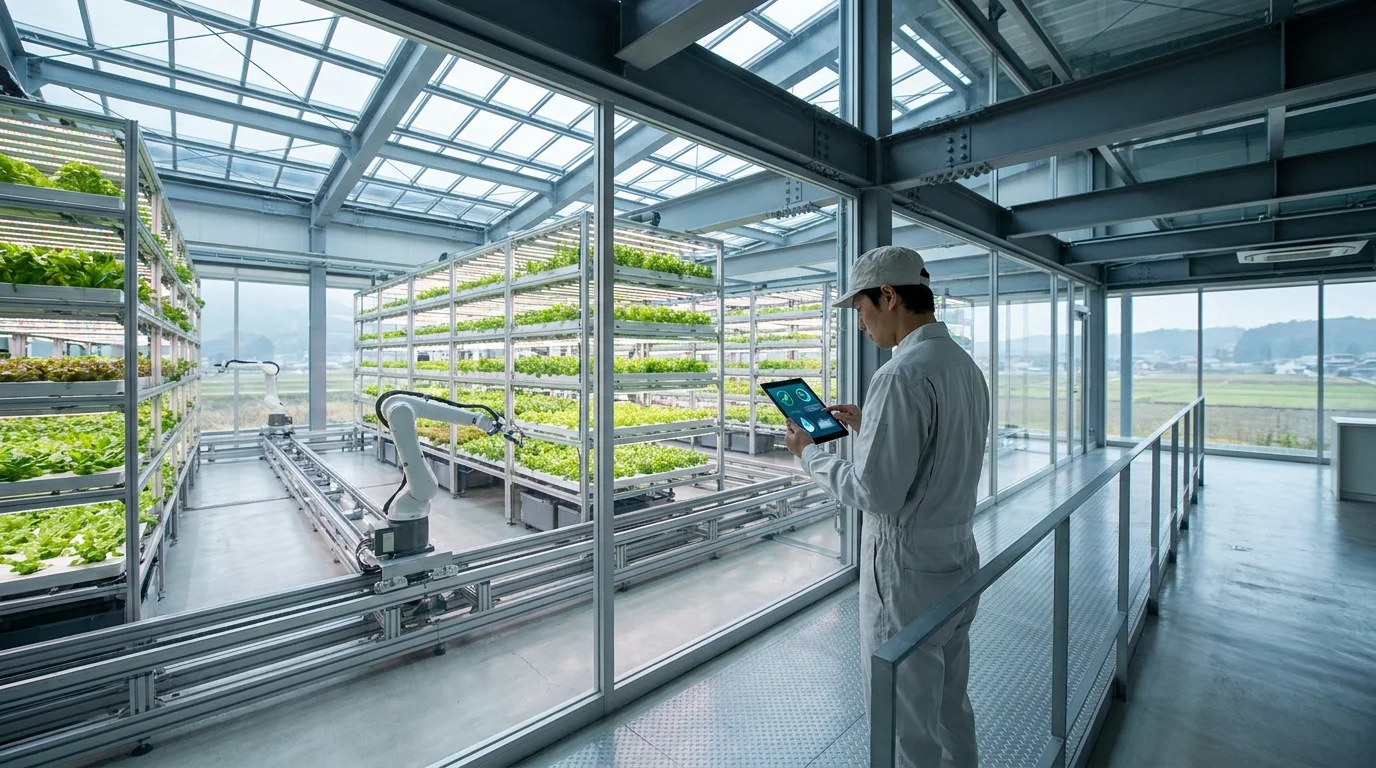
Table of Contents (Click to expand/collapse)
- 1. Technical Breakthroughs in Yield Prediction via Biomass Estimation
- 2. ROI Structure in Agricultural Management: Cost Reduction and Revenue Stabilization
- 3. Loss Avoidance Strategies through Integration with Pest and Disease Detection AI
- 4. Management Indicators for Smart Agricultural Corporations Post-2026
1. Technical Breakthroughs in Yield Prediction via Biomass Estimation
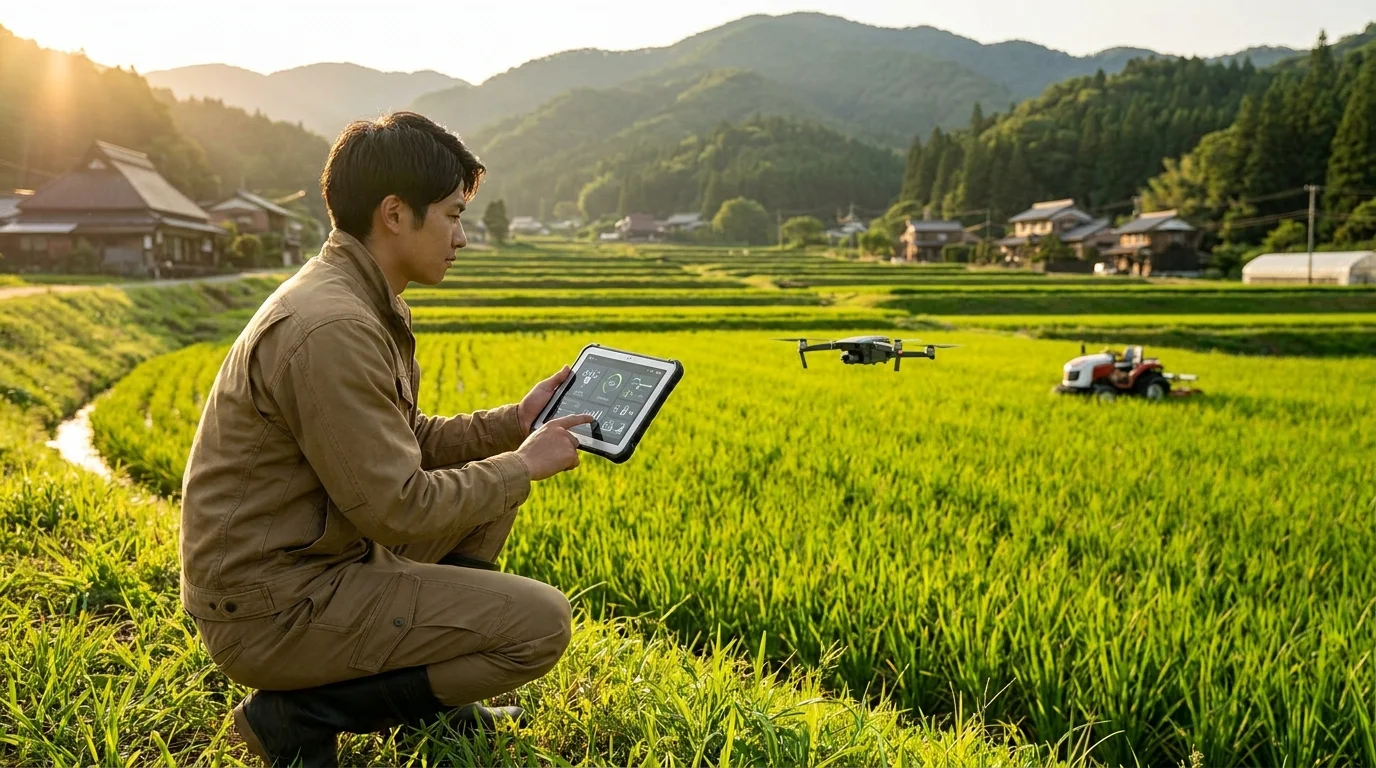
The foundation of AI yield prediction lies in "remote sensing" and "biomass estimation" technologies that analyze image data obtained from drones and fixed-point cameras. By using 3D modeling and deep learning (CNN/Transformer) to analyze stem thickness, leaf overlap, and fruit enlargement—factors that were difficult to assess with traditional NDVI (Normalized Difference Vegetation Index) alone—it is now possible to achieve extremely high prediction accuracy with an error margin of less than 5%.
Particularly in greenhouse horticulture, integrating time-series data from environmental control systems (CO2 concentration, irrigation, temperature) with image analysis allows for the real-time capture of phenological changes, enabling the identification of harvest timing on a daily basis. This strengthens supply commitments to wholesale markets and end-users, realizing "data-driven agriculture" that minimizes stockout risks and waste losses due to excess inventory.
2. ROI Structure in Agricultural Management: Cost Reduction and Revenue Stabilization
When agricultural corporations introduce AI, the primary focus should not be mere labor-saving but rather the "contribution to cash flow." Improved yield prediction accuracy enables the optimal allocation of short-term labor (workforce optimization) aligned with harvest periods. In agricultural management, where labor costs account for a significant portion of operating expenses, this resource optimization directly boosts the bottom line.
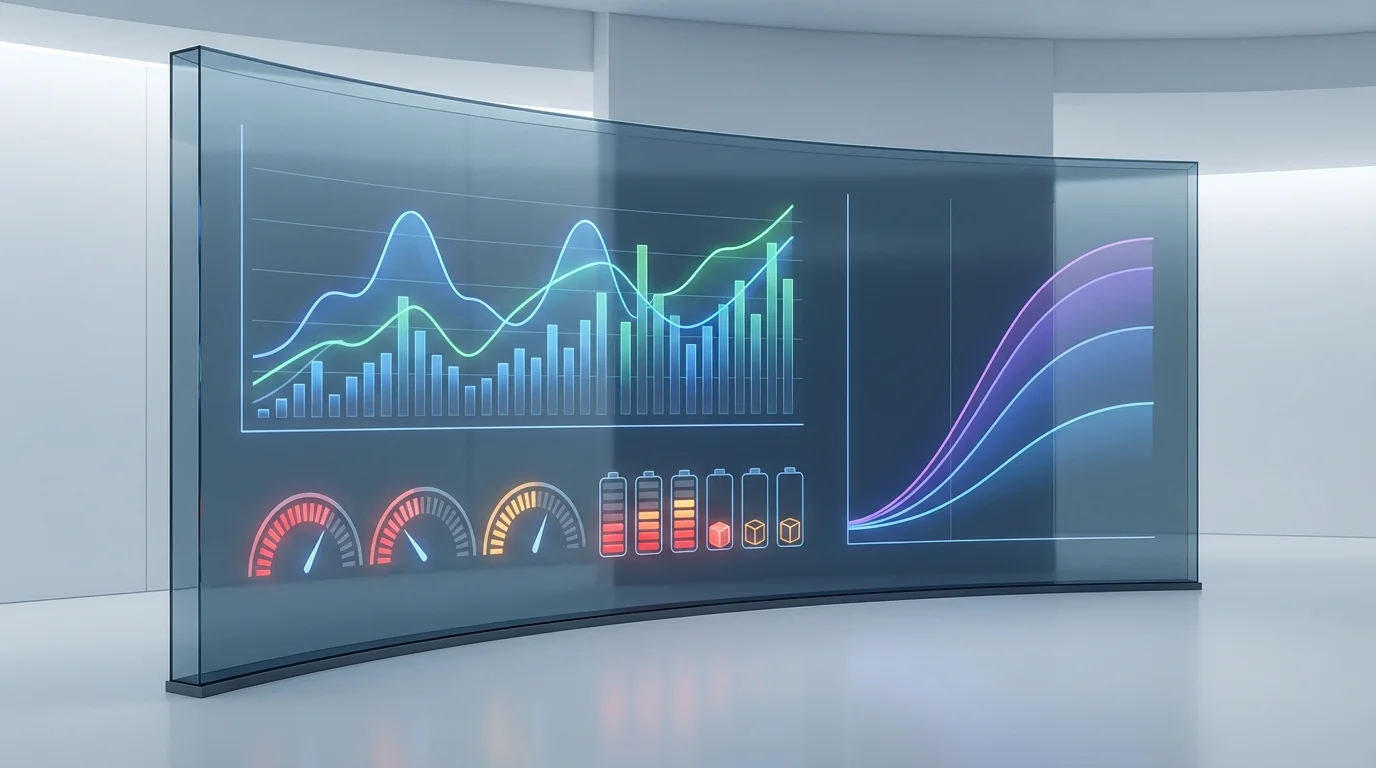
As the simulation above shows, while PoC (Proof of Concept) and system construction costs are incurred in the initial phase, profit margins improve significantly from the second year onwards due to enhanced prediction accuracy and operational integration. The greatest ROI lies in the ability to build a solid financial foundation that is not swayed by volatile spot prices, particularly by increasing the ratio of "futures trading" and "contract farming" based on these predictions.
3. Loss Avoidance Strategies through Integration with Pest and Disease Detection AI
Inseparable from yield prediction is "pest and disease detection" using edge AI. While scanning fields for biomass estimation, the system simultaneously detects changes in leaf color and minute signs of feeding damage. This enables pinpoint control at the early stages of onset, simultaneously achieving a reduction in pesticide costs and an improvement in yield (reduction of harvest loss).
Advanced cases in 2026 have shown an average 20% improvement in opportunity losses caused by pests and diseases compared to traditional methods. For large-scale fields, this equates to an annual profit increase in the tens of millions of yen, dramatically shortening the payback period for AI investments.

4. Management Indicators for Smart Agricultural Corporations Post-2026
Agricultural corporations that successfully implement AI are increasingly taking on the characteristics of "AgriTech companies" rather than mere production sites. Managing KPIs such as "yield per area," as well as "prediction accuracy (MAPE)" and "labor productivity (value added per hour)," also leads to positive ESG evaluations from financial institutions and investors.
In the future, "value chain orchestration," where agricultural corporations take the lead by linking AI-derived harvest prediction data with the entire supply chain (logistics, retail, export) via APIs, will likely become the mainstream.
FAQ
- Q. What field size is required for AI implementation?
- A. Generally, for open-field cultivation of 10 hectares or more, or greenhouse horticulture of 3,000 square meters or more, ROI through labor cost optimization tends to be clearly evident. For small to medium-sized operations, a "regional platform model" where multiple corporations share the system is also an effective option.
- Q. Is integration with existing environmental control or irrigation systems possible?
- A. Yes. Many cloud-based AI tools allow for API integration with systems from major manufacturers. By performing integrated analysis of image data and environmental sensing data, the accuracy of yield prediction can be further improved by approximately 15%.
- Q. We don't have staff with high IT literacy on-site; is it still possible to operate?
- A. As of 2026, AI solutions have highly optimized UX (User Experience), allowing for operation simply by taking photos with a smartphone or checking a dashboard on a tablet. Since specialized data analysis is processed automatically in the backend, the burden on on-site staff is extremely minimal.
Proposing Profit Simulations for Agricultural AI Implementation
Our experts will assist you in calculating specific ROI based on your field data and selecting the optimal AgTech solutions.
Talk to us for a free strategy consultationSummary
The implementation of AI yield prediction in agricultural corporations is more than just an improvement in production technology; it is a "strategic investment" that brings financial health and business sustainability. High-precision data from biomass estimation enables optimal labor allocation and supply-demand adjustment, while integration with pest and disease detection minimizes the risk of catastrophic losses. In 2026, transitioning to a data-driven "profit maximization model" will be the key to leading next-generation agricultural management.
Published: June 5, 2026 / By: Osamu Yasuda

Related Articles


References
- [1] Ministry of Agriculture, Forestry and Fisheries, "Roadmap for the Realization of Smart Agriculture 2026"
- [2] International Journal of Agricultural AI, "Deep Learning in Biomass Estimation and Yield Prediction"
- [3] Agricultural Economics Society of Japan, "ROI Analysis and Implementation Models for Data-Driven Agriculture"