
Introduction to Omnichannel × D2C × CX Strategy: A Definitive Guide for EC Managers
'We have physical stores but no EC integration,' 'We post on SNS but it doesn't lead to sales.' Omnichannel strategy solves these challenges that D2C founders face. Beyond simply having multiple sales channels, it creates an integrated customer experience that drives loyalty and lifetime value.

Table of Contents
1. Definition of Omnichannel and Differences from Multichannel
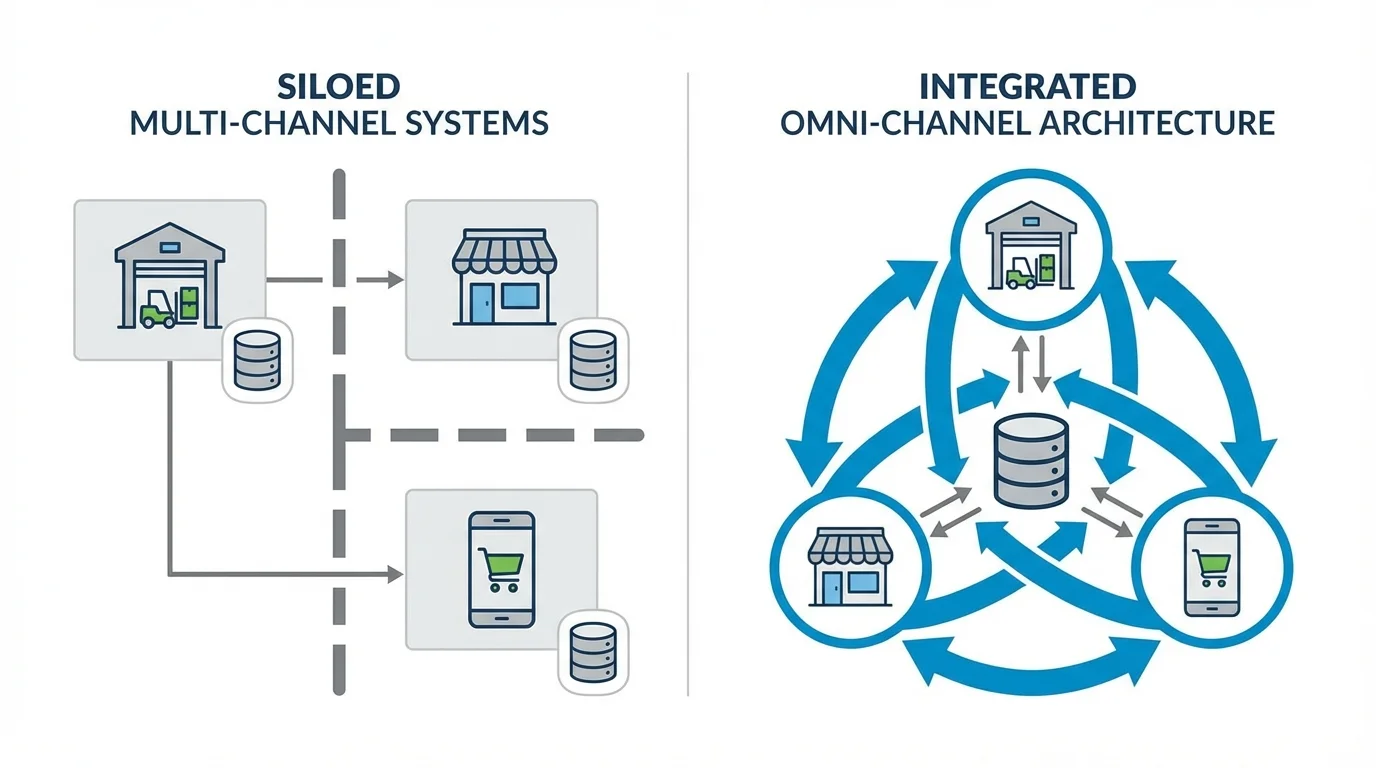
Omnichannel refers to the state of integrating all sales and contact points (channels) such as physical stores, EC sites, SNS, apps, and call centers, providing customers with a consistent purchasing experience regardless of which channel they use.
The often confused "multichannel" simply refers to having multiple sales channels, with inventory data and customer information for each channel typically being siloed. In contrast, omnichannel enables seamless cross-channel movements such as "order online and pick up in store (BOPIS)" and "try on in store and buy on EC (showrooming)."
2. Why D2C Founders Should Prioritize Omnichannel
In modern D2C, customers don't immediately decide after seeing a single ad. They discover products on Instagram, check specifications on the official site, feel the texture in physical stores, and then ultimately purchase on a mall that offers points—taking complex, multi-step actions.
If information inconsistencies or stresses like "the store has stock but EC doesn't" arise during this process, customers will drop off. Enhancing CX (customer experience) through omnichannel is not just about improving sales, but is the only path to building brand trust (loyalty) and ultimately maximizing LTV (customer lifetime value).
Chart: Correlation Between Channel Integration and LTV Improvement (Conceptual)
3. Basic Strategy for CX Enhancement: MECE Touchpoint Design
When formulating strategy, it's important to organize customer touchpoints from a MECE (Mutually Exclusive, Collectively Exhaustive) perspective. Design experiences across the following three phases.
- Awareness & Consideration: Discovery through SNS, ads, blogs, and stores
- Purchase & Fulfillment: EC payment, in-store payment, home delivery, in-store pickup (BOPIS)
- Retention & Fan Building: Official LINE, email newsletters, after-sales support, community
Especially in D2C, redefining stores as "story-telling hubs" leads to differentiation from competitors.
4. The Importance of "Data Integration" as the Key to Success
The biggest barrier to achieving omnichannel is "systems." Consistent service cannot be provided when warehouse management systems (WMS) and customer relationship management systems (CRM) are fragmented.
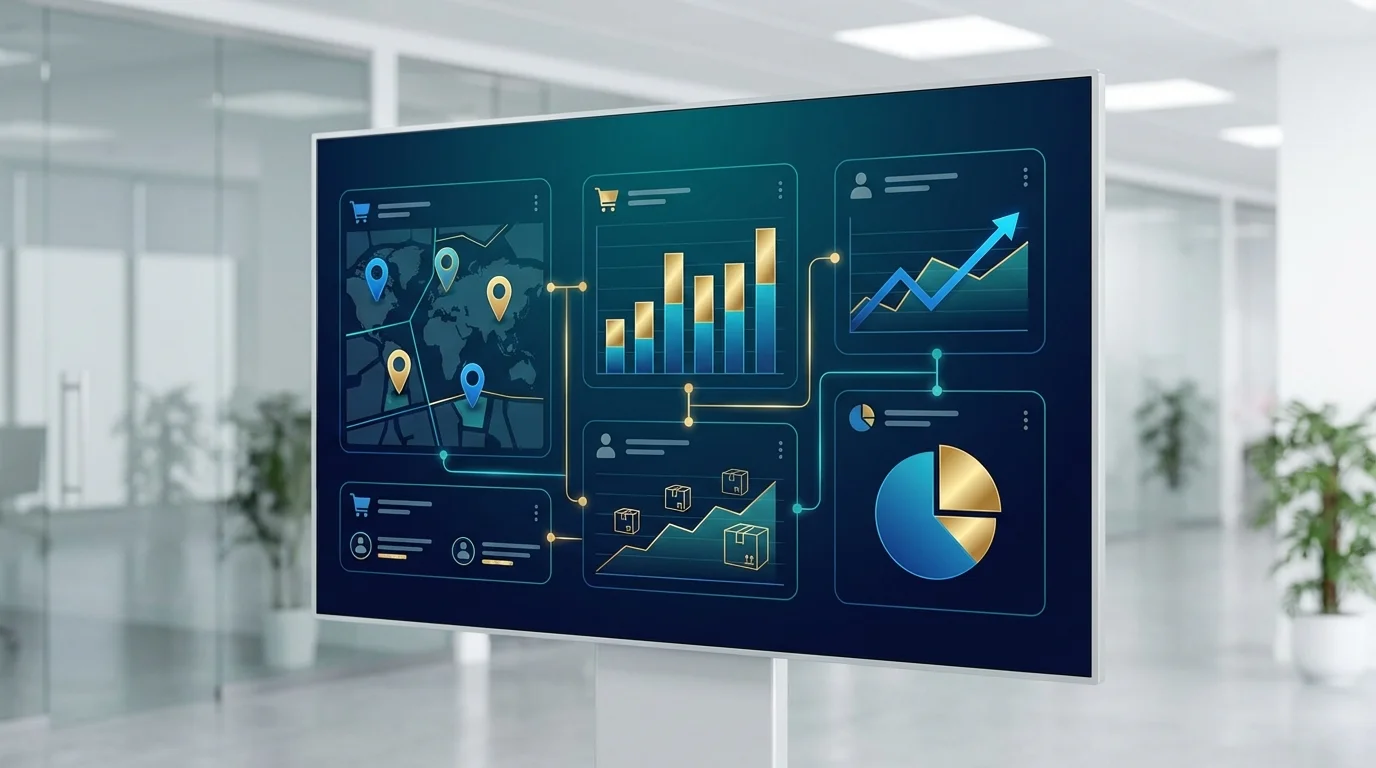
Start with inventory visualization, then integrate customer IDs so you can understand the context of "this customer viewed this in store yesterday and bought this on EC today." This is the first step toward personalized service.
FAQ
- Q. Is omnichannel necessary even for small-scale D2C?
- A. Yes. Precisely because of the smaller scale, there is a need to deeply connect with each individual customer. Starting small with SNS and proprietary EC data integration is effective.
- Q. I'm worried about the cost of omnichannel implementation.
- A. You don't need to implement everything at once. By utilizing SaaS-based inventory management tools and platforms with easy POS integration like Shopify, you can build at reduced initial costs.
Take Your EC Business to the Next Stage
Struggling with the first step of omnichannel implementation, data integration, or CX design?
Our D2C support professionals propose optimal roadmaps tailored to your situation.
Summary
Omnichannel is not merely "multi-channel expansion" but "experience integration" centered on the customer. In the OMO (Online Merges with Offline) era where boundaries between digital and physical disappear, D2C founders should first tackle touchpoint organization from a MECE perspective and build supporting data infrastructure. A consistent brand experience is the ultimate weapon for creating long-term fans.
Published: February 17, 2026 / Author: Makoto Takimiya
Related Articles



References
- [1] Ministry of Economy, Trade and Industry - Market Survey Report on E-Commerce
- [2] Harvard Business Review "The Omni-channel Retail Strategy"