
[Thorough Verification] Rakuten vs Amazon Which is Cheaper? Real Price Calculation Method Taught by EC Managers
The question 'Rakuten and Amazon, which is cheaper in the end?' is an eternal theme not only for general consumers but also for EC managers conducting competitive research. In conclusion, while Amazon is often superior in simple 'Display Price', a structure where Rakuten reverses in 'Real Price' including point redemption has taken root. In this article, we dissect the price structure of both malls from a professional perspective and organize the judgment criteria for which to purchase (or open a store) in MECE.
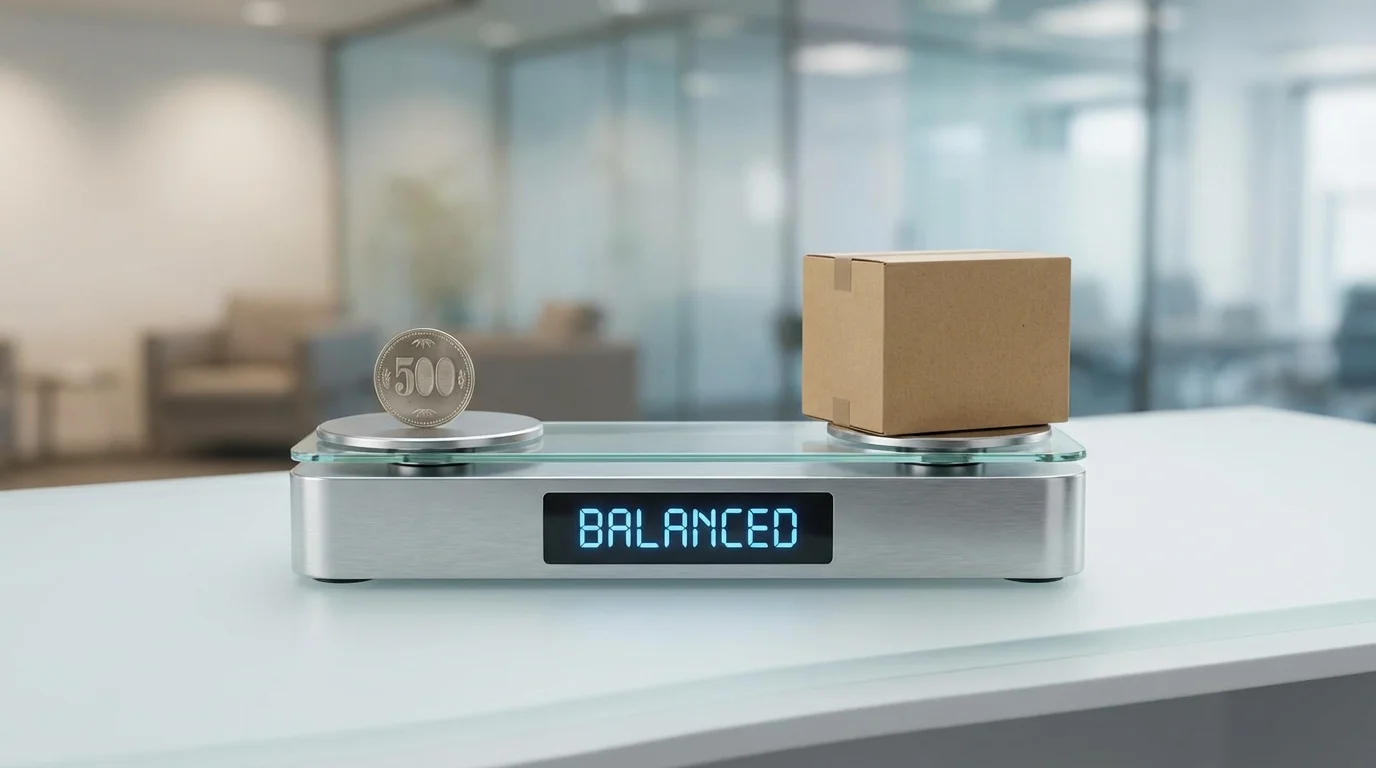
Amazon of Display Price vs Rakuten of Real Price
Amazon's strength lies in its overwhelming 'immediacy of cheapness' by dynamic pricing. Especially for model number products and daily necessities, Amazon tracks competitors' prices with algorithms and is adjusted to always maintain the market lowest price range.
On the other hand, Rakuten Ichiba tends to have higher displayed prices because pricing is basically set by each store. However, Rakuten has a powerful variable called 'Points'. When EC managers conduct competitive research, true market superiority cannot be seen unless compared using this 'Real Price (Selling Price x (1 - Point Redemption Rate))' that takes into account the point redemption rate.

Destructive Power of "Rakuten SPU" to Calculate Real Price
The biggest key to judging 'which is cheaper' in Rakuten is SPU (Super Point Up Program). For users using ecosystems such as Rakuten Card, Rakuten Mobile, and Rakuten Bank, it is not uncommon to receive 10% - 15% or more redemption at all times.
For example, when comparing a 10,000 yen product:
- Amazon: Selling Price 9,200 yen (Point 1%) = Real 9,108 yen
- Rakuten: Selling Price 10,000 yen (SPU 10%) = Real 9,000 yen
Thus, even if there is an 800 yen difference in displayed price, a reversal phenomenon where Rakuten becomes cheaper in real price occurs frequently.
Judgment Criteria of Which is Cheaper by Category
The trend of 'cheapness' also divides depending on the product category. Amazon is strong in Gadgets, Books, Consumables, and these can be obtained cheaply including shipping even for 'single item buying'. On the other hand, Rakuten achieves cheapness that greatly separates Amazon in Fashion, Interior, Hometown Tax Donation, Summary Buying by combining coupon issuance and buying around events (Shopping Marathon etc.).

Price Fluctuation Trend Seen in Data
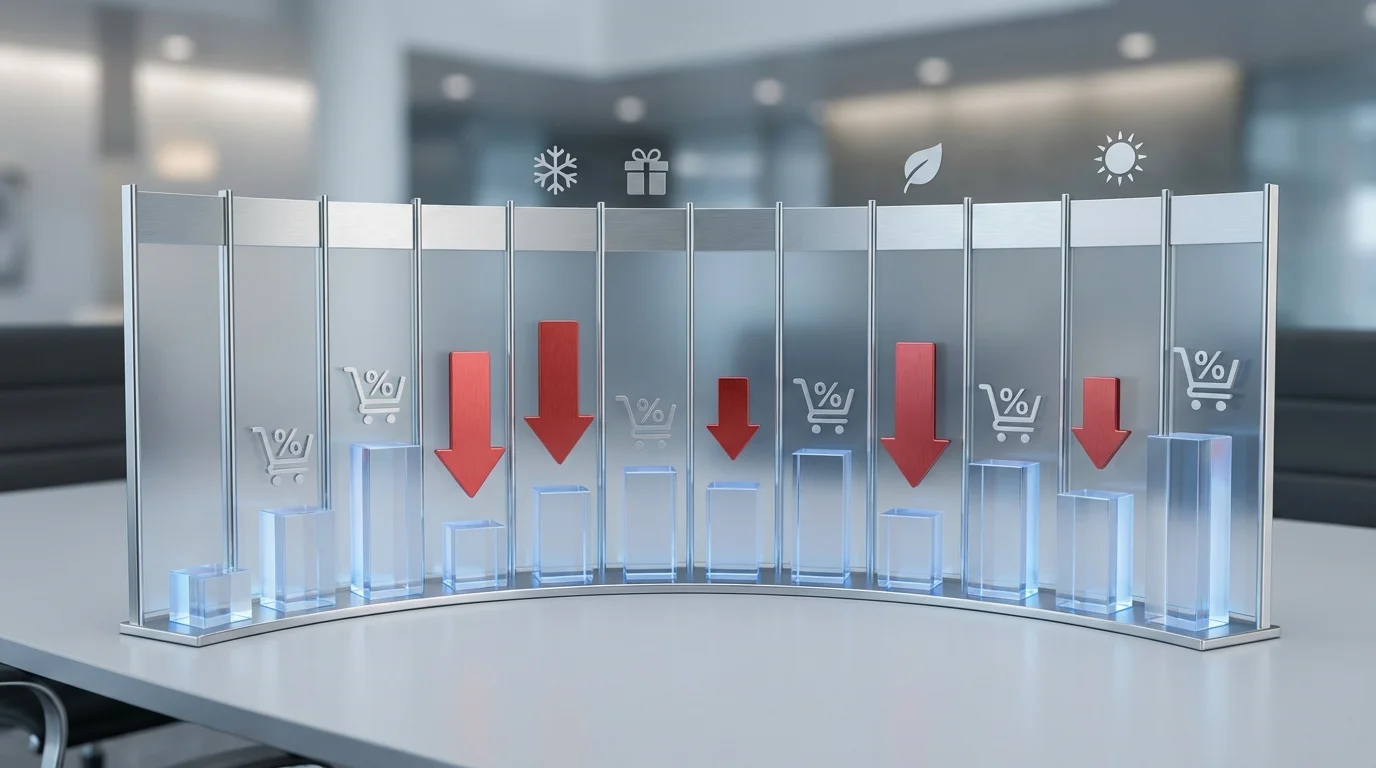
The chart below models the general transition of Amazon's selling price and Rakuten's real price (after considering points) for the same SKU. Please pay attention to Rakuten's price decline rate during the event period.
FAQ
- Q. Which one is best to use in the end?
- A. 'Amazon' for immediate single items, 'Rakuten' for summary buying during events. Rakuten relies on combining with events like 'Shopping Marathon'.
- Q. What products are cheaper on Amazon?
- A. Amazon devices (Kindle, Echo, etc.), daily necessities directly sourced by Amazon, and low-priced single items where shipping is a bottleneck are where Amazon dominates.
Take Your EC Business to the Next Stage
Are you struggling with optimal cross-selling strategy for Rakuten/Amazon or price design maximizing profits?
Consult for Free StrategySummary
The answer to the question 'Rakuten Amazon Which is Cheaper' depends on the user's attributes and purchasing behavior. Amazon excels in cost performance including 'time' and 'convenience', and Rakuten has strength in 'overwhelming cheapness of real price' utilizing 'Point Ecosystem'. As an EC manager, it is required to analyze MECE which platform's 'cheapness' your product characteristics are compatible with, and optimize the price strategy for each channel.
Published: February 13, 2026 / Author: RISA WATANABE
Related Articles


References
- [1] Rakuten Group, Inc. 27th Term Financial Results
- [2] Amazon.com, Inc. 2024 Annual Report