

Why Rakuten Is Unprofitable: Fee Structure, Ad Costs, and ROAS Management
"Despite opening on Rakuten Market, cash doesn't remain even when sales increase" "Stopping ads causes sales to plummet, squeezing profits." Many EC businesses share these concerns. The biggest reason for unprofitability on Rakuten is not simply insufficient sales, but"Platform-specific cost structure" and "break-even point miscalculation". This article thoroughly explains ROAS management for profit maximization and MECE analysis for escaping structural deficit.

Table of Contents (Click to expand/collapse)
1. Three Structural Causes of "Unprofitability" on Rakuten
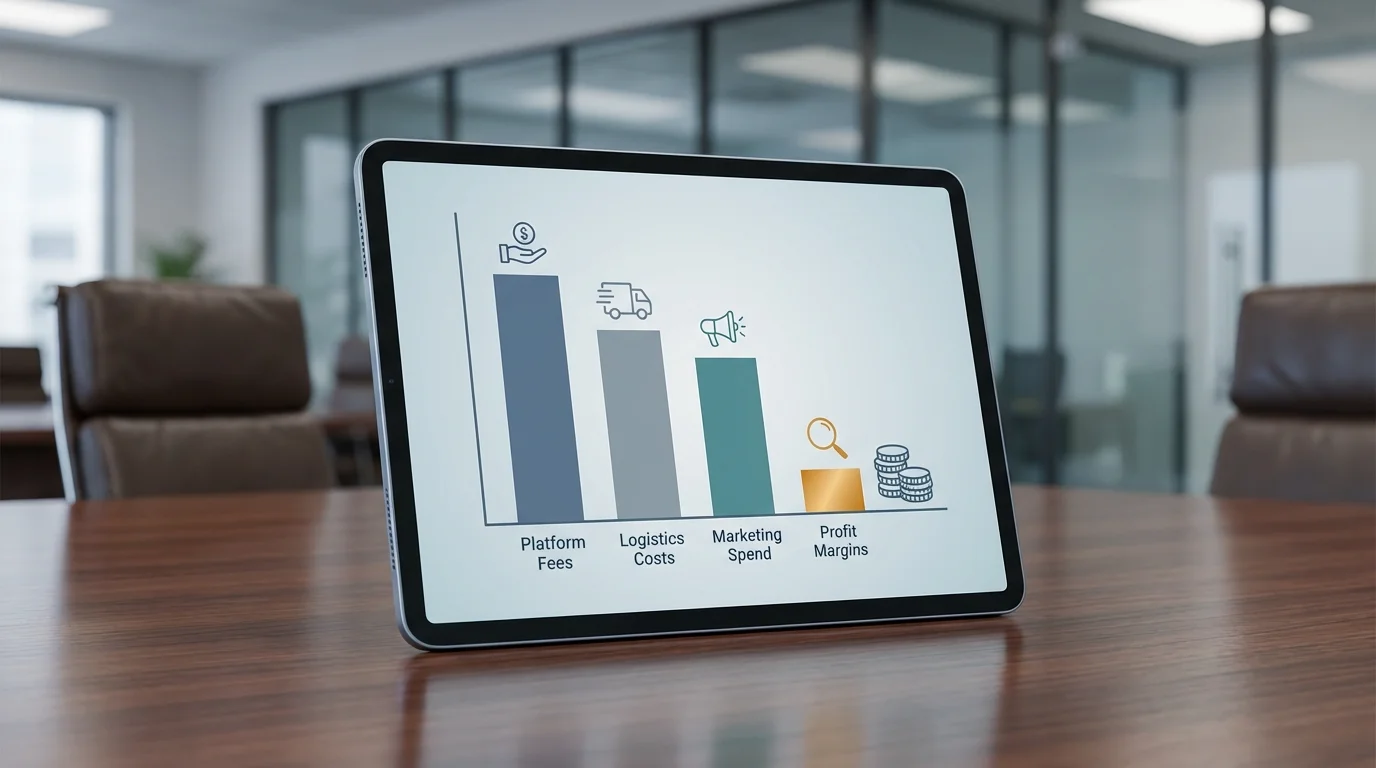
Many Rakuten sellers find themselves in a paradox: growing revenue but shrinking profits. This stems from three structural causes that must be addressed simultaneously — fixing one while ignoring others leads to recurring unprofitability cycles.
The three structural causes are:
- ● Fee Structure Misunderstanding: Sellers underestimate total platform costs by overlooking variable fees (point burden, affiliate commission, system usage fees) that compound on top of fixed monthly plans.
- ● Ad Cost Overrun: RPP advertising without ROAS management leads to escalating CPC costs, especially during competitive event periods when bid prices spike 2-3x above normal levels.
- ● Pricing and Margin Erosion: Over-reliance on point multipliers and coupons during events creates customer expectations for discounts, making it difficult to maintain margins during non-event periods.
2. The Hidden Fees That Squeeze Your Profits
The "hidden fees" that squeeze profits include: point campaign costs during Super Sale events, R-Mail charges beyond the free allocation, return processing and customer service labor, product photography and listing content creation, and the opportunity cost of Rakuten-specific operational complexity versus simpler sales channels.
Mastering the break-even point requires understanding the correlation between marginal profit and ROAS. Marginal profit = selling price - COGS - variable platform fees. ROAS breakeven = 1 / marginal profit rate. For example, if your marginal profit rate is 25%, you need ROAS of 4.0x just to break even on advertising. Products with thin margins require much higher ROAS targets.
3. Mastering the Break-Even Point: Correlation Between Marginal Profit and ROAS
Breaking free from advertising dependency requires investing in organic search visibility (SEO) on Rakuten. Strategies include: product title keyword optimization for R-Karate algorithm, review accumulation programs, product page quality improvements that boost conversion rate (which feeds back into organic rankings), and strategic event participation that builds sales velocity momentum.
The most important financial metric in Rakuten operations is ROAS (Return On Advertising Spend), which measures advertising investment efficiency. However, a high ROAS does not necessarily mean operating profit is being generated — it's critical to understand operating profit margin as the true bottom line.
*Simulation: profit margin changes as advertising cost ratio increases

4. SEO Enhancement Strategies to Break Free from Ad Dependency
Start with a free consultation. Please feel free to contact us via LINE or our inquiry form.
- Comprehensive Suggested Keywords: Place appropriate keywords in product names and copy based on user search intent.
- CVR (Conversion Rate) Improvement: Maximize sales at same traffic levels through A/B testing creative optimization and smartphone UI improvement.
- Review Management: Automate post-purchase follow-up emails and improve review counts and scores that directly affect search rankings.
While these measures don't deliver instant results,they form a solid foundation for building a structure that "sells without ad spend" in the medium-to-long term.
Frequently Asked Questions
- Q. My RPP ad ROAS is 300%. Is this healthy?
- A. Depending on gross margin, considering Rakuten fees (approx. 10-15%), ROAS 300% likely means near break-even with almost no profit remaining. We recommend calculating your marginal profit and resetting target ROAS.
- Q. Super Sale participation increases sales but reduces profit.
- A. Either accept major events as "customer acquisition cost" or develop event-specific set products to maintain margins. Use strategic pricing on specific products rather than uniform discounts.
We Will Guide Your Rakuten Business to Profitability
Break free from fee losses and advertising poverty with our "Finance × Operations" strategy. Experienced consultants will diagnose your P&L in detail and guide you toward a profitable structure.
Consult on Strategy for FreeSummary
The reason for Rakuten unprofitability lies in falling into sales supremacy and ignoring actual profit margins. The keys to success are:(1) fully grasping the complex fee structure, (2) thorough break-even ROAS management, (3) reducing ad dependency through SEO. Conduct calm, data-based analysis and aim for sustainable EC management.
Published: 2026/3/13

Read Also



References
- [1] Rakuten Market Store Guide: "System Usage Fee Details"
- [2] Nikkei: "EC Mall Fee Structure and Operator Break-Even Points"