

Inventory Optimization by Demand Forecasting Agent: Dynamic Pricing Combining Time Series Analysis and LLM
In modern retail/EC operation, opportunity loss due to stockout and deterioration of cash flow due to excess inventory are major issues undermining management resilience. In this article, we explain framework of "Demand Forecasting Agent" integrating inference ability of LLM (Large Language Model) into conventional statistical time series analysis. By AI autonomously monitoring inventory turnover rate and automatically executing dynamic pricing according to market context, we present next-generation DX strategy compatible with operational excellence and profit maximization.
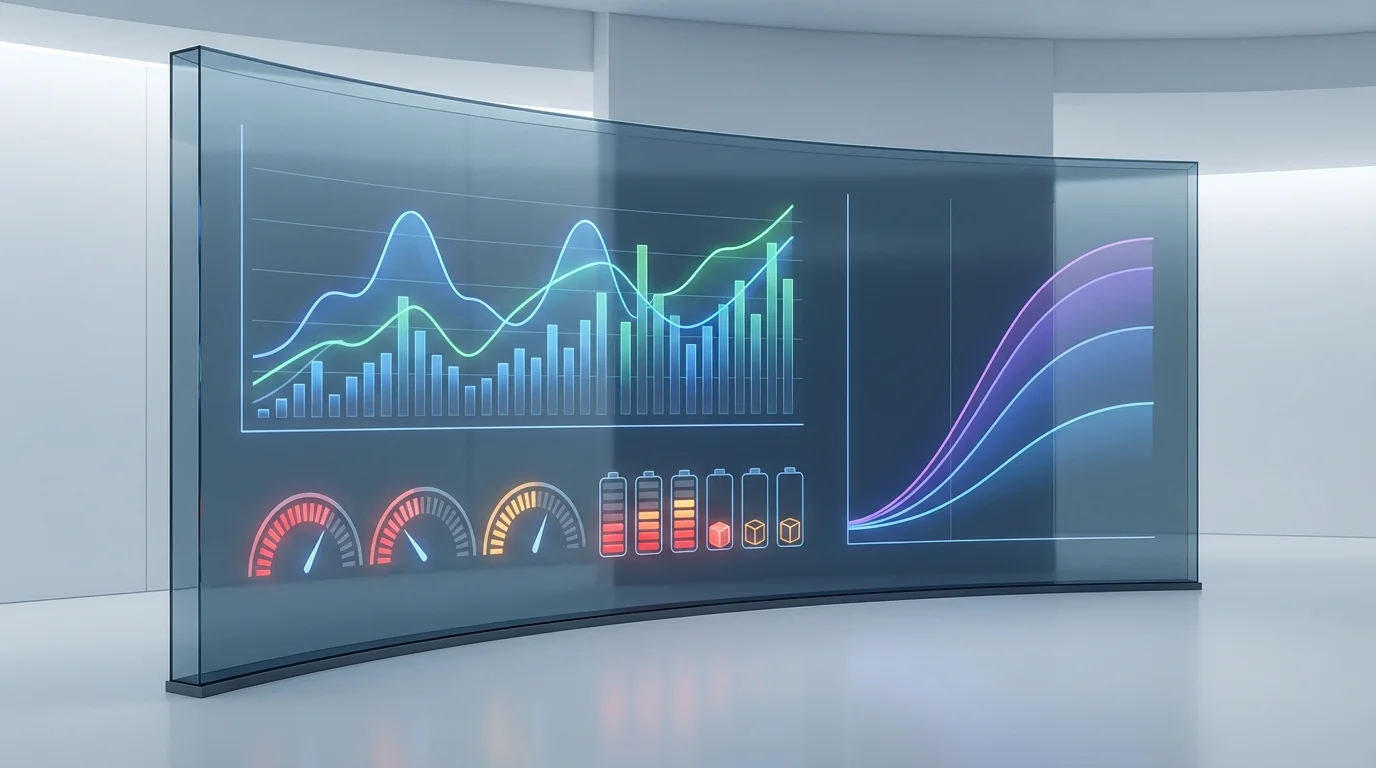
Table of Contents (Click to Expand)
1. Hybrid Forecasting Model of Time Series Analysis and LLM
Conventional demand forecasting remained at extrapolation of past data using statistical models like Prophet and ARIMA. However, MECE coverage of "unstructured data" such as trend changes on SNS and sudden campaigns by competitors was difficult. Autonomous AI agent integrates quantitative forecast by time series data and qualitative interpretation of external trends by LLM. This makes it possible to dramatically improve forecast accuracy of entire supply chain.

2. Real-time Monitoring of Inventory Turnover Rate and Agent Autonomy
AI agent monitors inventory status multilaterally on 24/7 basis. When specific SKU falls below set inventory turnover rate, agent immediately executes factor analysis. Seasonality, competitor price, or decline in search inflow? After identifying cause, it autonomously formulates promotion measures and adjustment plan for appropriate order quantity, minimizing decision-making cost by humans.
3. Dynamic Pricing Based on Price Elasticity of Demand
Lever of inventory optimization is "Price Elasticity of Demand". AI agent reinforces learning of reaction of sales volume to price fluctuation in real time and automatically searches for "Golden Price Range" maximizing gross profit per unit. Adjust price quickly to cash in during excess inventory, and maximize profit margin by raising price during shortage. This dynamic supply and demand adjustment is core competence in automation of EC operation.

4. Visualization of Cash Flow Improvement Effect by Introduction
By introducing AI agent, inventory retention days are dramatically improved compared to manual management. The following chart simulates correlation between inventory turnover rate and operating profit margin after agent introduction. Verification under digital twin environment confirms remarkable performance improvement from early stage of introduction.
FAQ
- Q. Is data integration with existing ERP or inventory management systems possible?
- A. Yes, secure integration with major inventory management tools is possible via API. By building real-time data pipeline, freshness of analysis is maintained.
- Q. How much past data is required to improve forecast accuracy?
- A. Generally, sales track record data of past 1-2 years is recommended, but by utilizing transfer learning of LLM and external data, prediction with certain accuracy is possible even for new products with little data.
- Q. Can the impact on brand image due to automatic price changes be considered?
- A. Yes. It is possible to set price guardrails (upper/lower limit settings) for brand protection. Agent seeks profit optimization within allowable range.
Why not sophisticate your inventory strategy with AI?
Our experts will propose specific measures for cash flow improvement and operation automation by introducing Demand Forecasting Agent.
Consult on Strategy for FreeSummary
Utilization of Demand Forecasting Agent goes beyond simple operational efficiency improvement and is management strategy itself to dramatically improve company's cash flow. Hybrid configuration of statistical time series analysis and LLM makes it possible to turn minute market changes that could not be captured conventionally into profit. Incorporating AI agent into own decision-making process can be said to be optimal solution for DX in modern times with high uncertainty.
Published: 2026-1-15 / Author: Osamu Yasuda
Read Also

RECOMMEND
Correlation Analysis of Social Proof Construction by UGC (User Generated Content) and CVR Improvement

RECOMMEND
Redesigning EC KPIs: Shifting from GMV Supremacy to Customer Equity (CE) Focused Management

RECOMMEND
Hacking Rakuten Super SALE & Ultra PayPay Festival: Timeline Design for Momentum Maximization
References
- [1] Hybrid Forecasting Models: Integrating Statistical Algorithms with Large Language Models for Supply Chain Agility.
- [2] Behavioral Economics in Dynamic Pricing: Agent-Based Market Simulation.
- [3] Optimizing Working Capital through Real-time Inventory Turnover Analysis.