

Data-Driven Discontinuation Decisions: Inventory Disposal and Cash Maximization Based on Days of Inventory on Hand (DOH)
The biggest factor that compresses EC business profitability is "sleeping inventory." In this article, we explain the data-driven discontinuation decision-making process centered on Days on Hand (DOH). We also introduce the practical methodology for maximizing cash flow by combining AI-powered demand forecasting with strategic inventory disposal.

Table of Contents (Click to Expand)
1. Understanding DOH: Days of Inventory on Hand

One of the most critical indicators in inventory management is Days on Hand (DOH). It calculates how many days it would take to sell through current inventory, making the risk of cash being locked up in stagnant stock visible.
Many companies focus solely on "inventory value," but the real problem lies in "assets whose value depreciates over time." Products whose DOH exceeds a certain threshold should be immediately flagged as "stagnant inventory" and moved to the disposal phase.
2. Setting DOH Thresholds for Discontinuation Decisions
By utilizing time-series analysis AI beyond just past sales data, it becomes possible to predict the end of a product's lifecycle early. Detecting signals such as declining click-through rates (CTR) due to trend decline or the emergence of competing products enables action before dead stock accumulates.
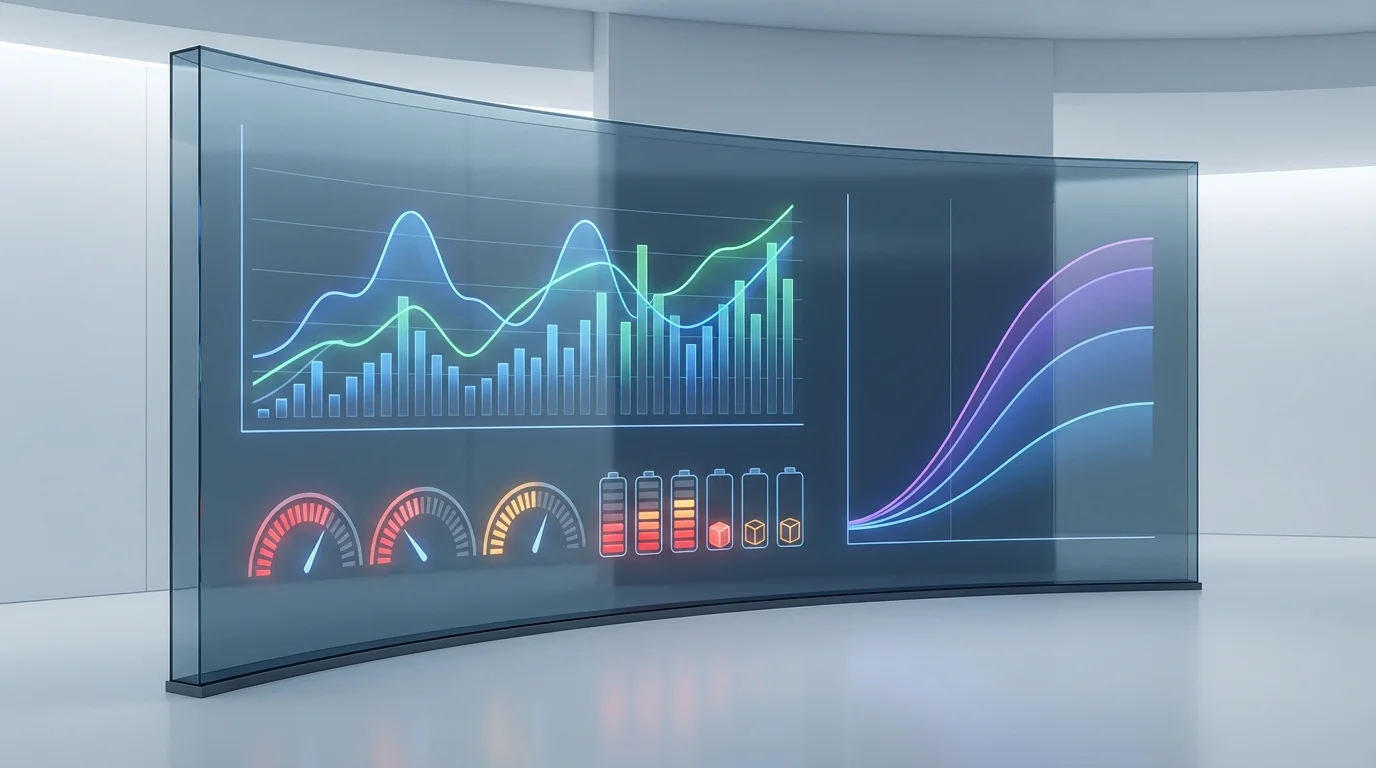
Chart: Transition of Expected Cash Recovery by Inventory Phase
3. Inventory Disposal Strategies: Liquidation Methods
Rather than "marking down after products remain unsold," the key to minimizing profit erosion is gradually adjusting prices (markdowns) based on data. The moment DOH deviates from target values, build a system that automates the progression from promotions to point incentives, and ultimately to outlet pricing.

4. Cash Flow Optimization Through Proactive Inventory Management
The final discontinuation decision should be made not based on emotion, but at the timing when the reversal between "contribution profit" and "storage cost" occurs. Having the courage to aggressively dispose of inventory before warehouse storage fees exceed gross margin creates investment capacity for the next hit product.
Take Your EC Business to the Next Stage
Shall we transform your pile of inventory into cash and build a sound financial structure? We offer inventory optimization consulting powered by data utilization.
Get Free Strategy ConsultationFrequently Asked Questions (FAQ)
- Q. What DOH level indicates a product should be discontinued?
- A. Generally, DOH exceeding 180 days signals a discontinuation candidate. However, thresholds should be adjusted by category and seasonality.
- Q. How can inventory disposal be done without wasting assets?
- A. Use a tiered approach: first try markdown sales, then bundle promotions, then liquidation channels. Donation for tax benefits is also effective before final destruction.
Summary
Improving inventory turnover rate is not just about logistics efficiency; it is a sophisticated data strategy. Understanding the current situation based on DOH, detecting demand decline via AI, and implementing agile markdowns—automating these as a series of processes will dramatically improve an EC business's cash flow. Do not fear dead stock; practice 'aggressive discontinuation decisions' based on data.
Published: 2026-02-08 / Author: Yuta Ito

Osamu Yasuda
Consultant
Meets Consulting Inc.
Related Articles


References
- [1] Inventory Management: Days of Inventory on Hand Analysis
- [2] Data-Driven Product Lifecycle Management Best Practices