

[What is Amazon Outlet?] Mechanism & SKU Management Tips Explained by Pro
For store owners, dealing with "returns" and "dead stock" is unavoidable. Especially in Amazon, the largest EC, do you know how returned products or products with damaged packages in warehouses are processed? The key is an advanced secondary distribution scheme called "Amazon Outlet".
This article explains from the basic definition of Amazon Outlet to Amazon's reverse logistics that surprises local retailers, and SKU management techniques to maximize cash flow, professionally from a consultant's perspective.
Table of Contents (Click to Expand)
- 1. What is Amazon Outlet? Definition and Background
- 2. Unique Inspection Standards and Condition/Grade Management
- 3. The Pinnacle of "Reverse Logistics" Store Owners Should Benchmark
- 4. Inventory Turnover per SKU (DOH) and Data-Driven Loss Cutting
- 5. Improvement of Cash Conversion Cycle by Inventory Liquidation
1. What is Amazon Outlet? Definition and Background
Amazon Outlet refers to stores that sell products sold by Amazon.co.jp at affordable prices as outlet items, such as "products with damaged packaging in the warehouse" or "products returned by customers but in good condition".
The biggest feature is that, unlike "used goods" in general marketplaces, Amazon itself inspects and sells only those that meet certain quality standards. The point lies here. If you think of it as scaling the 'B-grade sale' or 'display item disposal' of physical stores to a global scale with the power of technology, its business impact will be easy to understand.
2. Unique Inspection Standards and Condition/Grade Management
At Amazon Outlet, Amazon's own strict inspection standards are applied to all resold products. What is decisively different from "bargain sales" at physical stores is the thoroughness of data-backed condition management.
Products are strictly ranked in four grades: 'Like New', 'Very Good', 'Good', and 'Acceptable'. For example, even if opened, if the product itself is undamaged, it is treated as 'Like New'. Slight package damage that would typically be subject to disposal or return in physical stores is redefined as a valuable secondary distribution asset on Amazon's platform.
3. The Pinnacle of "Reverse Logistics" Store Owners Should Benchmark
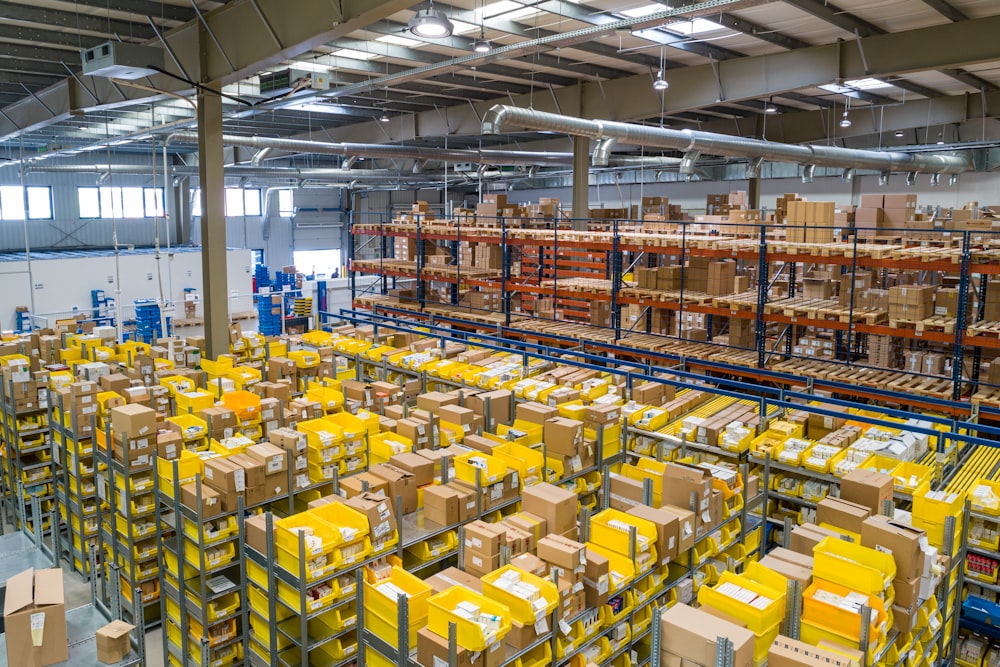
Optimization of reverse logistics directly links to corporate operating profit margin. Amazon Outlet can be said to be one completed ecosystem for the challenge of how quickly to monetize this "returned inventory".
In physical stores, returned products are often processed as Return to Maker or industrial waste, but Amazon completes the secondary distribution market within its own platform, minimizing transport costs and environmental impact. This suggests that in SKU management, not only sales but also "Recovery Rate" should be included in KPI.
4. Inventory Turnover per SKU (DOH) and Data-Driven Loss Cutting
Inventory is a battle between "freshness" and "storage cost". Especially when using Amazon FBA, long-term storage fees erode profits. What is important here is scientific loss-cutting judgment based on DOH (Days On Hand).
For SKUs without liquidity for a certain period, it is necessary to strategically execute forwarding to Amazon Outlet or price revision by dynamic pricing to rotate cash. Eliminating the bias of 'obsession with acquisition cost' that managers tend to fall into, decision-making considering Opportunity Cost is required.

5. Improvement of Cash Conversion Cycle by Inventory Liquidation
The ultimate goal is to convert stagnant inventory, which is 'dead assets', into 'working capital'. By installing Amazon Outlet's logic into your own inventory strategy, it becomes possible to dramatically shorten the Cash Conversion Cycle (CCC) and secure funds for the next growth investment.
FAQ
- Q. Can sellers list arbitrary products directly on Amazon Outlet?
- A. General sellers cannot directly list items by specifying the 'outlet slot'. Amazon Outlet is basically for products where Amazon.co.jp is the seller. However, this scheme functions indirectly through the return settings of FBA inventory or the resale process by Amazon after abandonment of ownership.
- Q. Does distribution as outlet goods damage national brands?
- A. Amazon Outlet is characterized by high consumer satisfaction due to the transparency of the inspection process and clear indication of the 'reason for being outlet'. Rather, secondary distribution with appropriate condition notation is increasingly leading to a positive brand image as a contribution to the circular economy that suppresses waste.
Optimize Your EC Inventory Strategy?
Are you struggling with the complicating Amazon platform algorithms or profit management for each SKU?
We powerfully
back up your cash flow maximization with professional knowledge.
Summary
The structure of Amazon Outlet is not just an inventory disposal site, but a symbol of a highly digitized 'asset recovery scheme'. Physical store managers have much to learn from Amazon's rational approach of precisely grasping the Recovery Rate for each SKU and quickly liquidating stagnant inventory. Appropriate loss-cutting based on data and optimization of inventory turnover are the keys to maintaining sound cash flow in the VUCA era.
Published: 2026-2-9

Yuta Ito
CEO
Meets Consulting Inc.
Related Articles



References
- [1] Amazon Seller Central - FBA Inventory Management Guidelines
- [2] Supply Chain Quarterly - Reverse Logistics in Modern E-commerce Ecosystems