

What Is the Amazon Profit Calculation Method? MECE Management of Gross Profit and Contribution Margin
Surprisingly many Amazon sellers manage their business with only "sales" and "cost of goods" in mind. However, Amazon has a complex cost structure including referral fees, FBA fulfillment fees, storage fees, advertising costs, return handling costs, and more. Understanding each of these precisely and knowing the true profit — the "contribution margin" — is the first step to growing your Amazon business. In this article, we explain the profit calculation methods using MECE (Mutually Exclusive, Collectively Exhaustive) classification in an easy-to-understand manner.

Table of Contents (Click to Expand)
1. The First Step in Amazon Profit Calculation: Understanding the "Gross Profit" Structure
Account for all components in a MECE framework: referral fees (8-15%), FBA fees, storage fees, advertising costs, returns, and COGS. Missing any component leads to false profitability assessments.
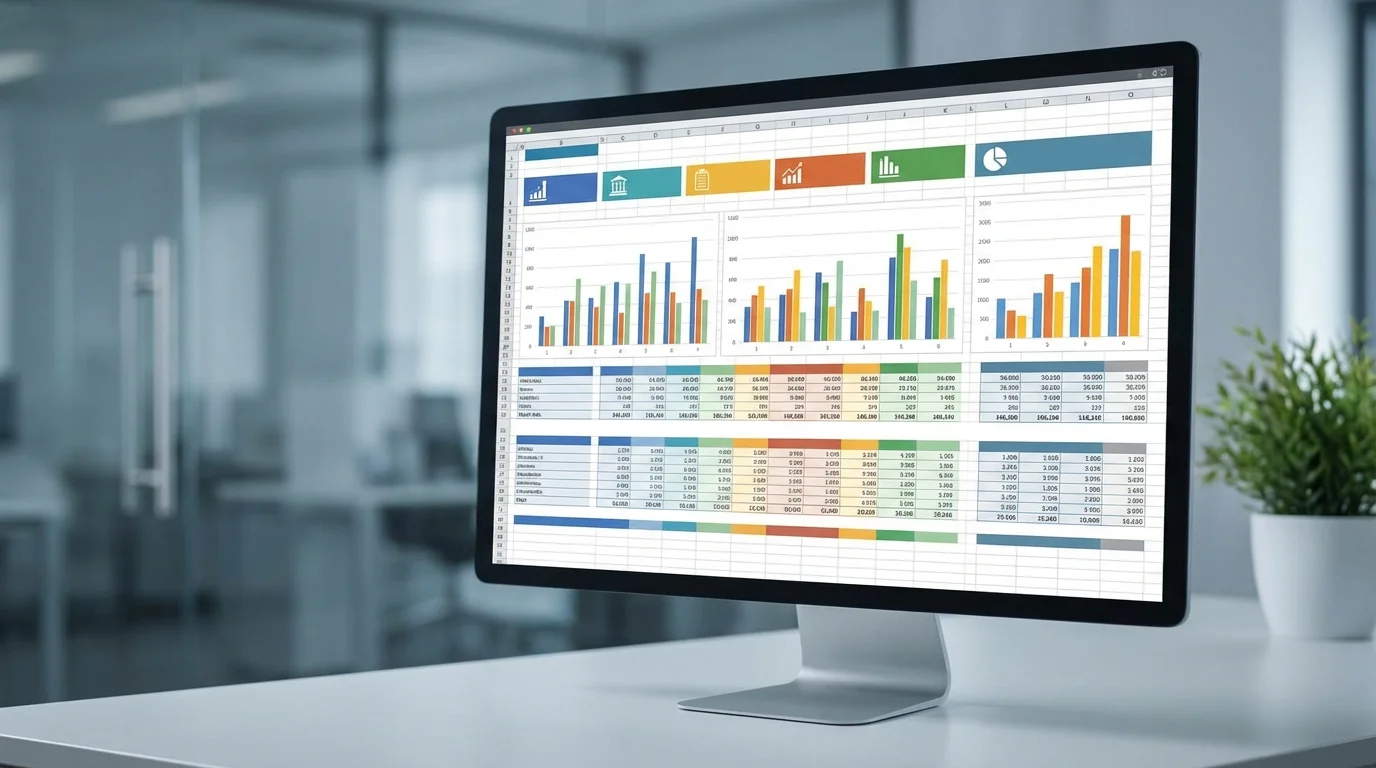
"Gross profit" is calculated by deducting the cost of goods (COGS) from sales. However, Amazon's cost structure goes far beyond COGS. Referral fees (typically 8-15% of selling price), FBA fulfillment fees (calculated by product size/weight), monthly storage fees, and advertising costs — if you don't account for all of these, the "profit" you see is an illusion. The first step is accurately grasping the MECE framework of your cost structure.
2. The Ultimate KPI: What Is "Contribution Margin"?
As Amazon-specific costs, when using FBA (Fulfillment by Amazon), inventory storage fees and fulfillment fees fluctuate depending on product size and storage period. In particular, "long-term storage fees" and "removal/disposal fees" are factors that strain cash flow, making regular monitoring essential.
Cost Composition in Amazon Sales (Example)
Cost Structure Breakdown in Amazon Selling (Example)
3. MECE Cost Classification for Profit Improvement
By understanding the economics per unit (unit economics), the investment limit for advertising (allowable CPA) becomes clear. When calculating contribution margin (sales minus variable costs), be sure to account for point award rates and coupon discounts as well.

4. The Impact of Profit Improvement Seen Through Data
- Utilizing the FBA Small and Light Program: Products with low unit prices and small sizes may be able to significantly reduce fees.
- Optimizing Return Rates: Returns generate not just "lost sales" but a double loss of "return shipping and repackaging costs."
- Optimizing Ad Efficiency (ACoS/ROAS): It is necessary to scrutinize whether advertising for sales growth is eating into profits.
Frequently Asked Questions
- Q. What is a good benchmark for gross profit margin?
- A. Generally aim for 30-40% gross margin before ad costs. After deducting ACOS, target at least 10-15% net contribution margin.
- Q. How do you calculate profit including advertising costs?
- A. Use: Contribution Margin = Selling Price - (COGS + Amazon Fees + Shipping) - (Selling Price x ACOS). This gives true per-unit profitability.
Take Your EC Business to the Next Stage
From profit analysis to comprehensive Amazon business strategy, our expert consultants provide hands-on support.
Get Free Strategy ConsultationSummary
Accurate profit calculation requires a MECE approach accounting for all fees. Understanding gross profit vs. contribution margin and building standardized frameworks is the foundation of sustainable Amazon operations.
Published: 2026-03-11 / Author: Yuta Ito

Related Articles



References
- [1] Amazon Seller Central: Revenue Calculator
- [2] Amazon Fee Schedule and Category Referral Fees