

Must-Read for New EC Managers: What is SEO? Search Engine Mechanics and Basic Knowledge to Maximize Sales
Crawl: Search engine robots (crawlers) follow hyperlinks across the web, collecting content information including HTML and images.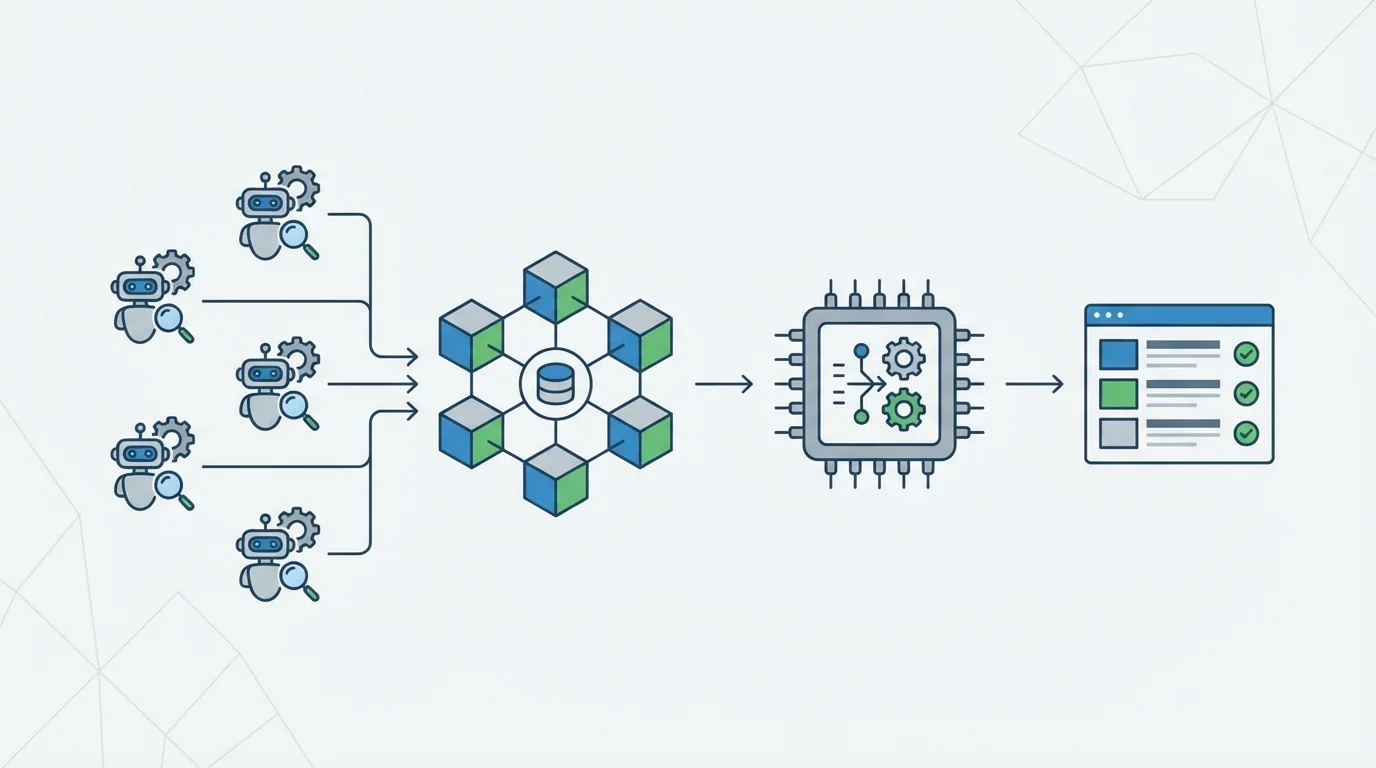
3. Understanding Search Intent and Keyword Selection
Understanding the 'search intent' behind user queries is the core of SEO strategy. For EC sites, organizing by these four classifications improves keyword selection precision:
- Informational Query: 'What is XX?' seeking knowledge. Effective for reaching potential customers.
- Navigational Query: Specific EC site names. Brand/direct searches.
- Commercial Query: 'XX how to choose' seeking to take specific action. Comparison/consideration phase.
- Transactional Query: 'XX free shipping' 'XX in stock' with purchase intent. Active buyer intent.
While Transactional queries are most directly tied to sales, they're highly competitive. A 'Content SEO' approach of attracting through Informational and Commercial queries, building trust through valuable content, is also extremely effective.
Crawlability and internal SEO fundamentals include: proper URL structure, XML sitemap submission, internal linking optimization, page speed improvement, and mobile-responsive design. These technical foundations ensure search engines can effectively discover and index your content.
4. Crawlability and Internal SEO Basics
No matter how excellent your product lineup is, it won't be evaluated if search engine crawlers can't properly navigate it. This is called 'crawlラビリティの最適化」と呼びます。具体的には、XMLサイトマップの送信、構造化データのマークアップ、論理的な内部リンク構造、そしてモバイルフレンドリー(レスポンシブ対応)が必須要件となります。
また、現代のSEOでは「E-E-A-T(経験・専門性・権威性・信頼性)」が最重視されます。ECサイトにおいては、正確な商品説明、運営者情報の透明性、そして実ユーザーによるレビュー(UGC)The accumulation of quality content directly contributes to domain power improvement and search ranking stability.

FAQ
- Q. How long does it take for SEO to produce results?
- A. Generally, 3-6 months for initial results. SEO is a medium-to-long-term strategy, and the accumulation of quality content directly contributes to domain authority improvement and search ranking stability.
- Q. Should a new EC manager start with SEO or advertising?
- A. Start with both in parallel. Use advertising for immediate traffic while building SEO foundations. Over time, as organic traffic grows, you can reduce advertising dependency and lower overall CAC.
Take Your EC Business to the Next Stage
「何から手をつければいいか分からない」「Owned サイトのTechnical診断をしてほしい」
SEOのスペシャリストが、貴社の商材と市場環境に合わせた最適な成長strategies.
Summary
SEO for EC managers starts with understanding the three-step process: Crawl, Index, Rank. By mapping keywords to search intent categories and ensuring technical crawlability, you create the foundation for sustainable organic growth. The key insight is that SEO is a 'stock-type asset'—every optimization effort compounds over time, reducing CAC and building a durable competitive advantage.
Published: February 17, 2026 / Author: Makoto Takimiya
Related Articles



References
- [1] Google Google Search Central: : Detailed Documentation on Search Engine Mechanics
- [2] Search Engine Journal: SEO for E-commerce Beginners Guide